


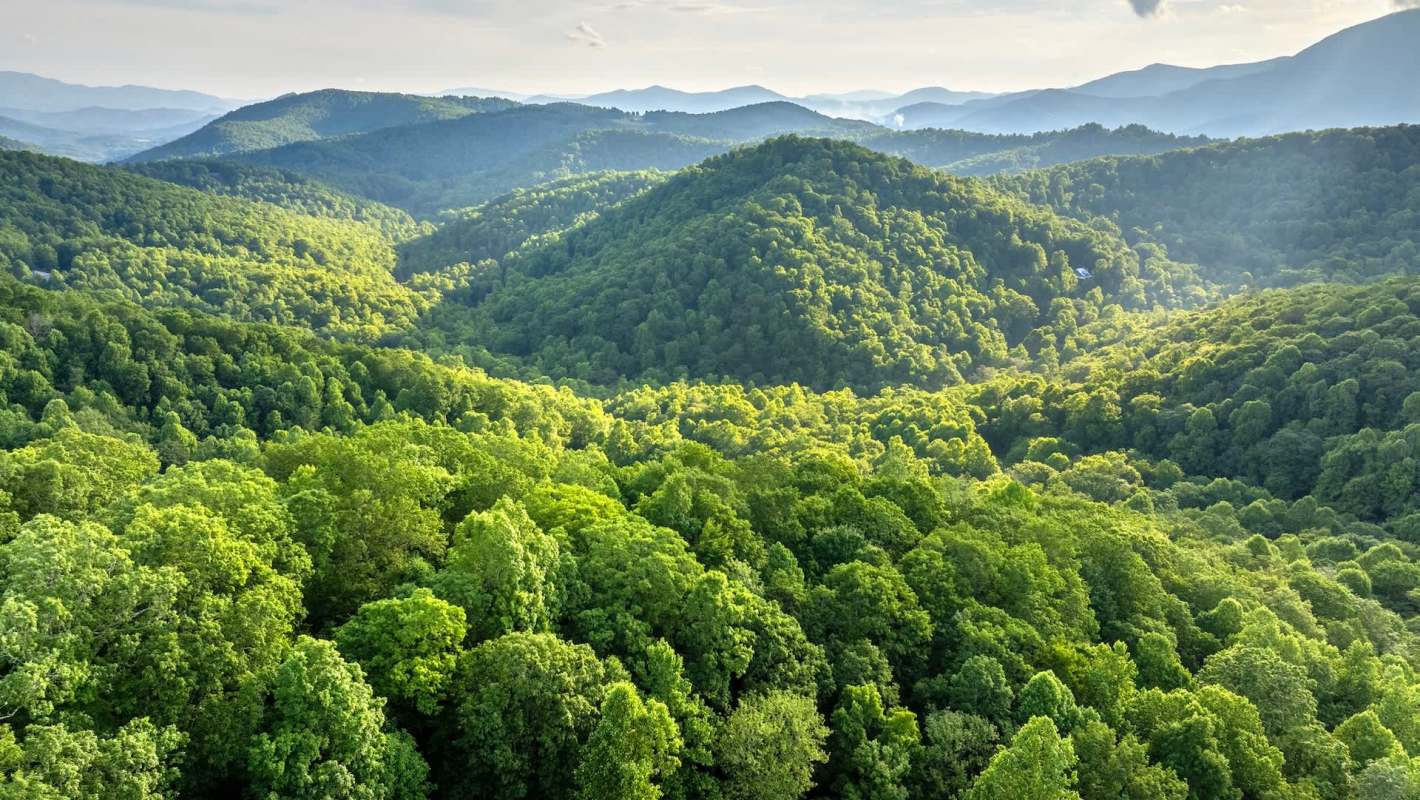
Yards and forests of the U.S. are facing an invasion. The culprit is the Asian jumping worm, a species spreading rapidly through woodlands, gardens, and natural areas.
What's happening?
According to TribLive in Pennsylvania, Asian jumping worms are becoming invasive after first being documented in the U.S. nearly a century ago. Experts such as Penn State entomologist Michael Skvarla believe they likely arrived in shipments of cherry blossom trees imported in the early 1900s. Since then, invasive jumping worms have spread.
They get their nickname from their tendency to flail around when disturbed. Some worms can grow up to eight inches long — and they have ravenous appetites to match, per the news report.
Why is the Asian jumping worm concerning?
A Penn State Extension article describes jumping worms as "ravenous feeders" that plow their way rapidly through organic matter on the ground surface. Because they don't burrow deeper like other species, their nutrient-rich castings stay at the surface and wash away in the rain. Eventually, the soil can become bare and unable to support native plant life.
"When such a disturbance happens, it provides an opportunity for an invasive plant species, such as garlic mustard or stiltgrass, to move in," said the Penn State report. "The structure of the soil is also damaged, and often, there will be voids under tree roots that are near the surface of the soil."
When invasive species take over, they outcompete native species and disrupt the entire ecosystem. Degraded soil also holds less water, increasing storm runoff and worsening flooding. Trees with weakened roots are also more vulnerable to wind damage, which can be dangerous for people and property.
TCD Picks » Quince Spotlight
💡These best-sellers from Quince deliver affordable, sustainable luxury for all




What's being done about invasive jumping worms?
Penn State said homeowners can identify a jumping worm invasion by looking for "very uniform, granular soil created from worm castings." They explain the best approach is preventing their spread by using bagged or heat-treated mulch, inspecting plants before introducing them to your garden, and picking out and destroying adult worms. Ecologist Brad Herrick suggests a mustard solution with one-third cup of dry mustard to one gallon of water — spreading this in your yard can drive worms to the surface, making them easier to remove.
For homeowners dealing with invasive jumping worms, Skvarla shared an approach he used in his garden: making the environment less hospitable for them. "We let our garden go for a couple years until it turfed back over, the worms died, and we could plow it and use it again," he explained to TribLive.
Homeowners can improve the health of their yard and the local ecosystem by rewilding with native plants. These species are designed to thrive in their native regions and support other species, including pollinators — which are essential to our food supply.
As Penn State detailed, research is ongoing to find other methods of eradicating worm outbreaks, such as using abrasive materials like biochar and diatomaceous earth. Other techniques include clear plastic solarization to destroy their cocoons.
|
What's the most you'd pay per month to put solar panels on your roof if there was no down payment?
Click your choice to see results and speak your mind. |
 $200 or more 💰
Get TCD's free newsletters for easy tips to save more, waste less, and make smarter choices — and earn up to $5,000 toward clean upgrades in TCD's exclusive Rewards Club.







