


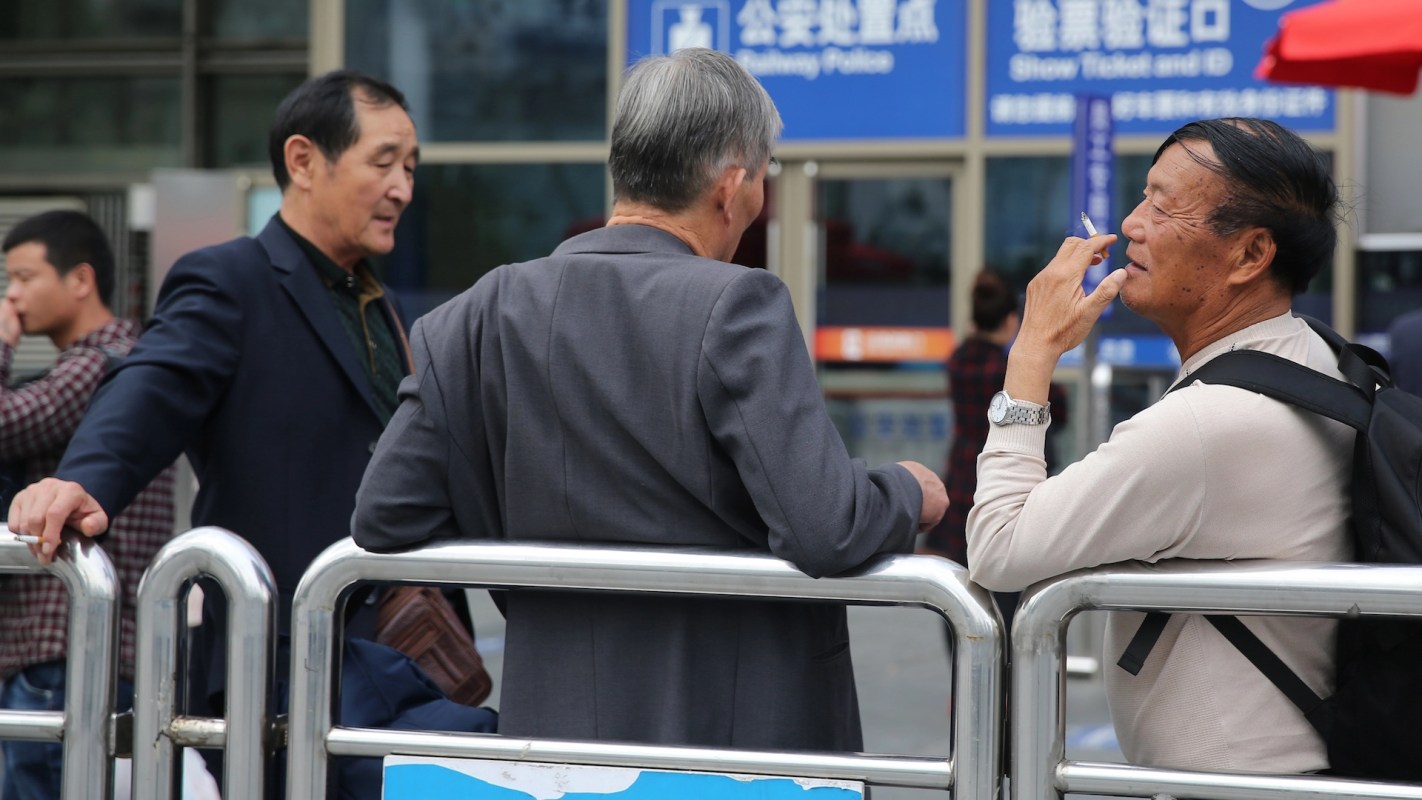
Starting Jan. 1, 2026, Hong Kong rolled out its toughest tobacco-control rules to date. The changes mark a major escalation in the city's long-running push to reduce smoking-related health risks and clean up public spaces.
Under the new rules, as reported in Caixin Global, the fixed penalty for smoking in restricted areas has doubled to HK$3,000 (about $386), up from HK$1,500 (about $192). That means lighting up while waiting for a bus or standing in a designated queue could now cost more than a high-end restaurant meal.
The updated law also expands statutory no-smoking zones to include queuing areas for public transport and public spaces within three meters of entrances to schools, hospitals, clinics, kindergartens, and nursing homes.
Officials say the move is driven by public health concerns.
Hong Kong's smoking rate dropped to 9.1% in 2023, but around 577,000 adults still smoke daily. Authorities link smoking and secondhand smoke exposure to nearly 14,000 deaths each year. Inspectors will be able to issue fines on the spot without warnings, a shift aimed at faster, more consistent enforcement.
Perhaps most notably, Hong Kong is cracking down on alternative smoking products.
TCD Picks » Quince Spotlight
💡These best-sellers from Quince deliver affordable, sustainable luxury for all




Beginning April 30, 2026, the possession or use of e-cigarettes, heated tobacco products, and herbal cigarettes in public places will be banned. Small amounts of vape oil could trigger a HK$3,000 (about $386) fine, while commercial possession or sale may carry penalties of up to HK$50,000 (about $6,400) and jail time.
Public health experts have increasingly raised alarms about vaping, especially among young people. Beyond nicotine addiction, disposable vapes create a growing waste problem: Americans alone threw out 5.7 disposable vapes a second in 2023. These devices add to e-waste streams and pose fire and pollution risks when they end up in landfills.
Hong Kong's approach mirrors actions elsewhere. In the U.S., Dallas recently expanded its smoking rules to include vaping in indoor spaces, near doorways, and in parks, with fines up to $500 per violation. Washington, D.C., has also stepped in: 7-Eleven agreed to a $1.2 million settlement after stores were found selling vaping products too close to schools.
Together, these actions reflect a larger movement: governments are increasingly treating vaping and smoking not just as personal choices, but as public health issues with real community-wide impacts.
|
What's the most you'd pay per month to put solar panels on your roof if there was no down payment?
Click your choice to see results and speak your mind. |
 $200 or more 💰
Get TCD's free newsletters for easy tips to save more, waste less, and make smarter choices — and earn up to $5,000 toward clean upgrades in TCD's exclusive Rewards Club.






