


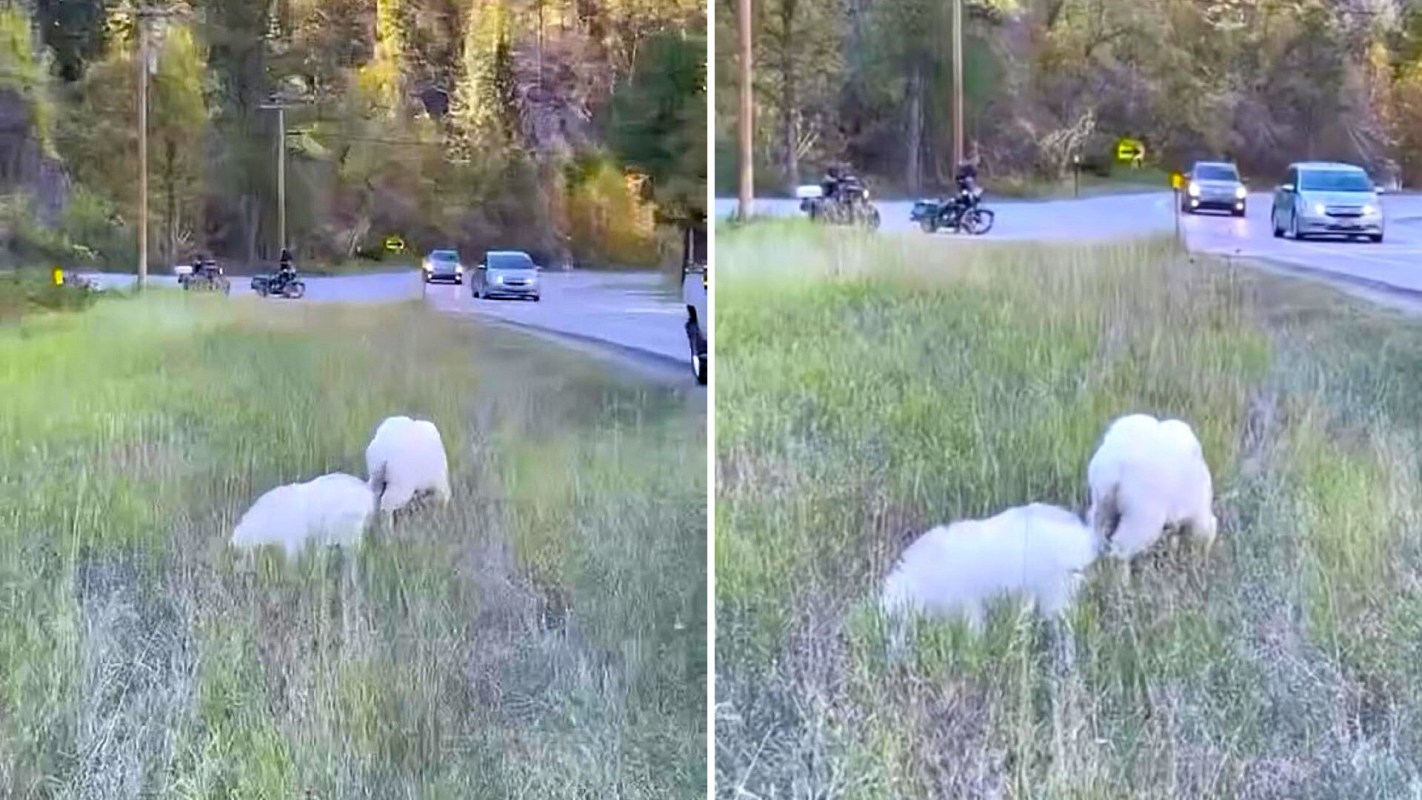
An onlooker captured video of a tourist getting dangerously close to a pair of mountain goats in South Dakota's Black Hills.
Posted on Instagram by touronsofnationalparks (@touronsofnationalparks), the clip drew anger from viewers who warned that reckless behavior can put both people and wildlife at risk.
Per the post's caption, it's recommended to stay at least 50 yards away to watch mountain goats.
That was something the tourist didn't do, according to one commenter: "She's almost … 6 feet away."
"While they might seem docile, mountain goats are wild animals and can become aggressive if they feel threatened. Maintaining a safe distance protects both you and the animal," @touronsofnationalparks explained in their caption.
Incidents like this aren't isolated.
TCD Picks » Quince Spotlight
💡These best-sellers from Quince deliver affordable, sustainable luxury for all




National parks and wildlife agencies have repeatedly warned that approaching wild animals for photos or videos can have grave consequences. Animals that feel threatened may exhibit defensive behaviors, per Good Living.
One commenter warned that animals might be killed when they show aggression — a reminder that wildlife can pay the price when people cross boundaries.
Some states in the U.S., such as Colorado, euthanize or hunt animals that attack humans to protect people and prevent additional harm, KDVR reported.
However, euthanasia — or even just removing the attacking animal from their population — can trigger consequences for conservation efforts and impact how people perceive the species, according to a study published in the journal PLOS Biology.
|
What's the most you'd pay per month to put solar panels on your roof if there was no down payment?
Click your choice to see results and speak your mind. |
 $200 or more 💰
 Admiring wildlife isn't an issue, but these incidents show how human actions can disrupt animals and lead to dangerous consequences for both visitors and wildlife.
Thoughtful travel choices, including respecting wildlife boundaries, can reduce harm to animals. The National Park Service recommends staying at least 25 yards away from most wildlife and 100 yards from predators like bears and wolves.
"She's acting like she's at a petting zoo," a commenter wrote. Another user suggested enforcement measures.
"Fine them, ban them. Follow the rules of pay up and get out!" they replied.

Get TCD's free newsletters for easy tips to save more, waste less, and make smarter choices — and earn up to $5,000 toward clean upgrades in TCD's exclusive Rewards Club.







