


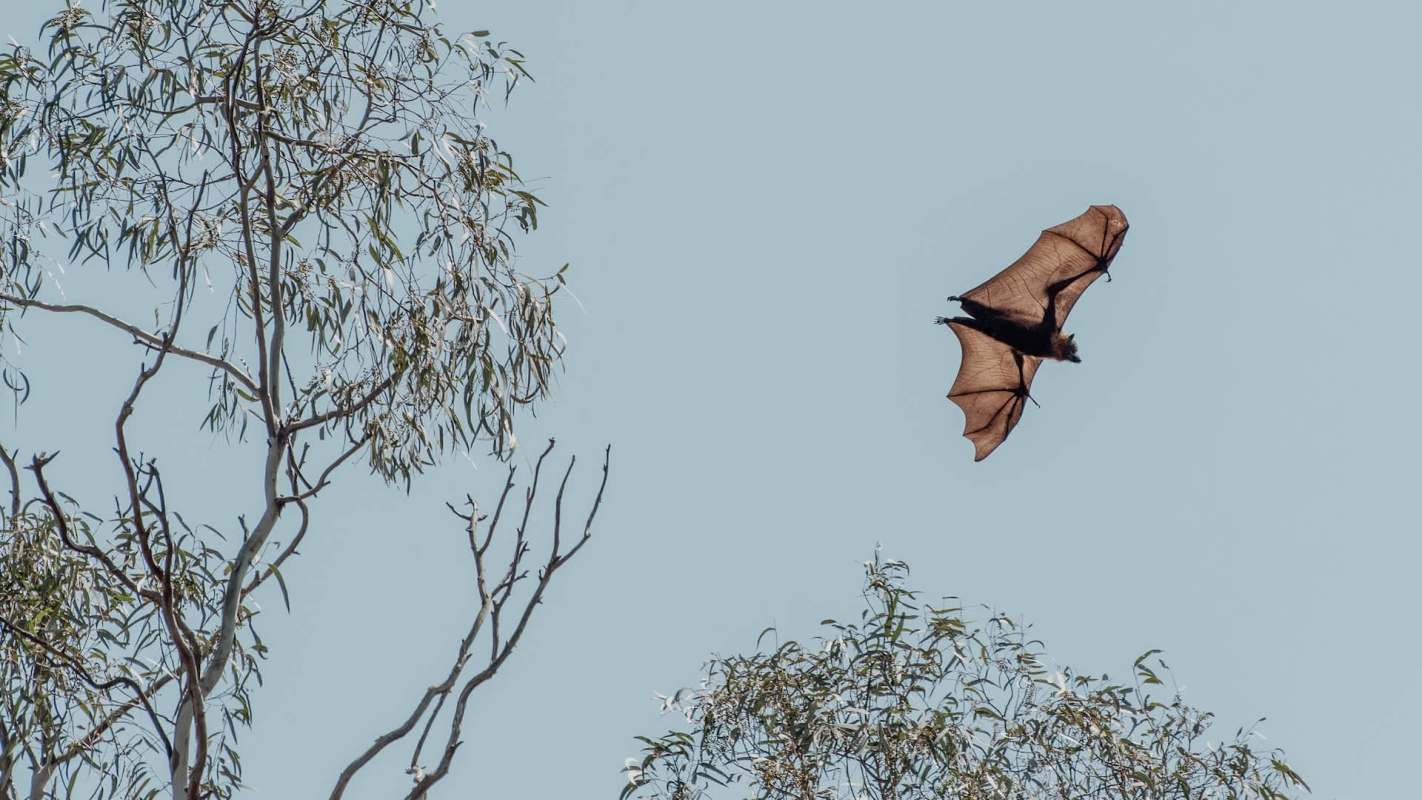
The Australian government had already declared grey-headed flying foxes "vulnerable," making the region's largest mass casualty event during a recent heat wave more concerning.
What's happening?
Thousands of grey-headed flying foxes, also known as fruit bats, were reported to have died in a heat wave pushing 100 degrees Fahrenheit across New South Wales, People reported. Five hundred were found dead in Brooks Creek, 170 in Figtree, at least 40 in Wolli Creek, and more in Campbelltown, Windsor, Parramatta, and other areas of the state.
"In some locations, conditions deteriorated rapidly, leading to mass mortality and a surge in orphaned pups as mothers succumbed to heat stress," said Tamsyn Hogarth, director of the Fly by Night Bat Clinic, according to People.
Bats have no sweat glands. When temperatures spike, they are unable to regulate their body temperature, leading to organ failure and death.
Why are flying foxes important?
Flying foxes are excellent pollinators, per the Queensland Government. As highly mobile creatures, they can disperse seeds locally and over great distances. This pollination is crucial for maintaining healthy forests and sustaining crops that people and wildlife rely on for food and shelter.
Following the recent mass casualties of these bats, experts are especially worried about the long-term consequences of losing breeding females. This event can stall population recovery for years and compound losses from previous heat waves and ongoing habitat destruction. It could also threaten global food supply chains, disrupting the livelihoods of communities that depend on these ecosystems.
TCD Picks » Quince Spotlight
💡These best-sellers from Quince deliver affordable, sustainable luxury for all




What's being done about flying foxes?
Wildlife rescue groups and volunteers are leading emergency response efforts, searching bat camps for surviving juveniles and treating heat-stressed animals. Some experts point to cooling interventions as a proven way to reduce deaths during extreme heat events.
"There's recently been some work published that has indicated that sprinklers are very functional; they reduce deaths and are worthwhile," Storm Stanford, a bat carer at Wildlife Information, Rescue and Education Service, told the Australian Broadcasting Corporation.
Longer term, conservationists say protecting and restoring habitat is essential, along with planning cities and green spaces that offer shade and cooling refuges for wildlife. As temperatures continue to climb, repeated mass die-offs could delay progress toward a healthier future for both ecosystems and the human communities intertwined with them.
Talking openly about how climate extremes affect wildlife can help build awareness and support for solutions that protect species like flying foxes.
|
What's the most you'd pay per month to put solar panels on your roof if there was no down payment?
Click your choice to see results and speak your mind. |
 $200 or more 💰
Get TCD's free newsletters for easy tips to save more, waste less, and make smarter choices — and earn up to $5,000 toward clean upgrades in TCD's exclusive Rewards Club.







