


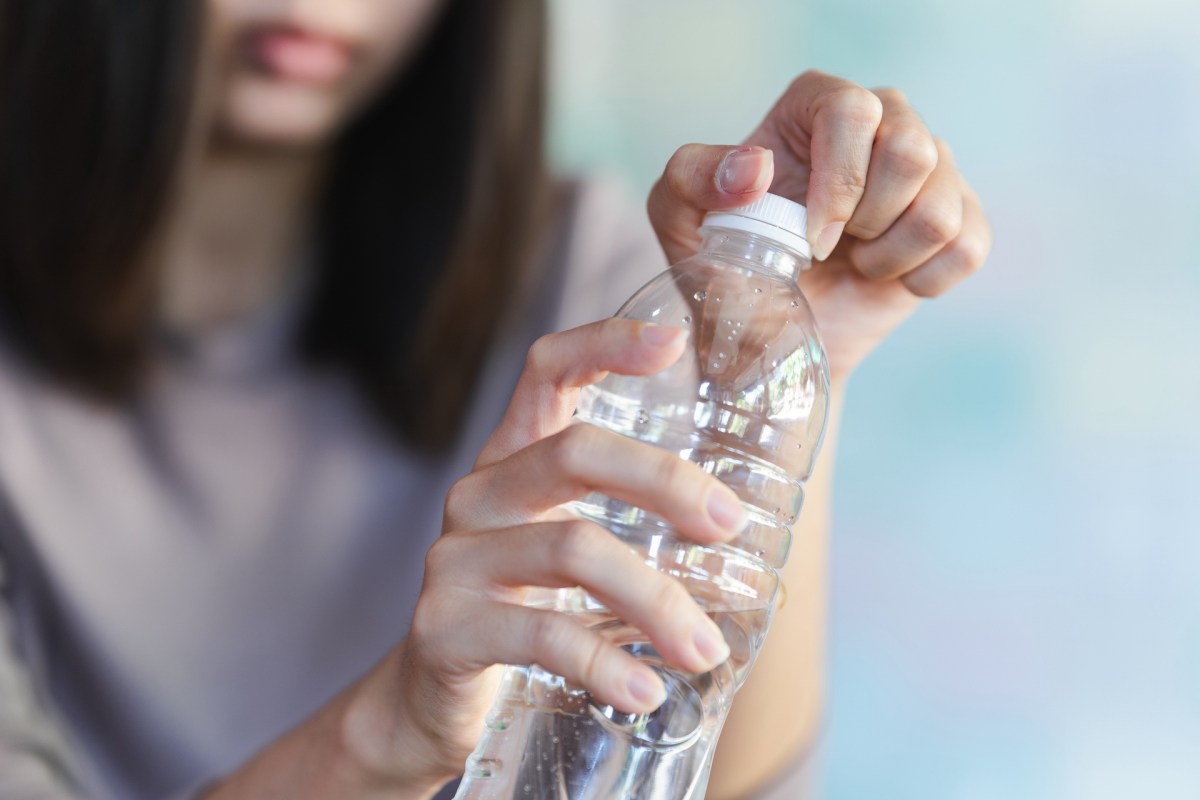
A recent study of pigs has found that microplastics made from PET, a common plastic used in bottles and containers, may interfere with pancreatic function and are linked to diabetes and other metabolic disorders.
What's happening?
A study published in BMC Genomics examined the effects of polyethylene terephthalate microplastics on the pancreas in pigs, a model organism because of their close physiological similarity to humans.
Researchers exposed pigs to low and high daily doses of PET microplastics for four weeks, then analyzed changes in pancreatic proteins and metabolic activity. The results were troubling.
Even low doses altered key proteins involved in digestion and fat metabolism, while higher doses disrupted 17 proteins tied to fatty acid production, oxidative stress, and enzyme release. The study also found a significant increase in free fatty acids, a marker associated with lipotoxicity, insulin resistance, and pancreatic cell damage, as the Independent explained.
According to the authors, these changes suggest a "novel pathway" through which microplastics "may cause metabolic disturbances," potentially increasing the risk of conditions like diabetes and obesity.
Why is this research important?
The pancreas plays a critical role in regulating blood sugar and digestion. Damage to the pancreas can affect energy levels, weight, and long-term disease risk, according to the Cleveland Clinic.
TCD Picks » Quince Spotlight
💡These best-sellers from Quince deliver affordable, sustainable luxury for all




Widespread exposure through the more than 40 million microplastics released every year — which have already been detected in drinking water, food, and even human blood — could harm public health, according to Stanford Medicine.
Beyond individual cases, rising metabolic disorders strain health care systems already under stress in the U.S. because of recent regulatory changes and disproportionately affect vulnerable communities with limited access to preventative care. This delays progress toward a healthier, more equitable future, especially as plastic pollution continues to accumulate faster than regulations can contain it, as less than 10% of all plastic ever produced is actually recycled.
Broken-down microplastics also persist in waterways and soil, compounding environmental damage and increasing the likelihood of continued exposure through food chains. Plastic pollution increasingly shows up in unexpected places, from tap water to the air we breathe.
What's being done about plastic pollution?
Studies like this are crucial for understanding how microplastics affect human health and give researchers more data to prevent and filter out threats in the future.
|
What's the most you'd pay per month to put solar panels on your roof if there was no down payment?
Click your choice to see results and speak your mind. |
 $200 or more 💰
 Researchers at Georgia Tech recently discovered a way to mechanochemically recycle PET pollution without heat or chemical treatments. Researchers in Australia recently discovered how to use an affinity-capture technique to filter nanoplastics from water.
Some governments are already moving to reduce plastic waste by eliminating single-use plastics, such as a recent grocery bag law in California.

Get TCD's free newsletters for easy tips to save more, waste less, and make smarter choices — and earn up to $5,000 toward clean upgrades in TCD's exclusive Rewards Club.






