


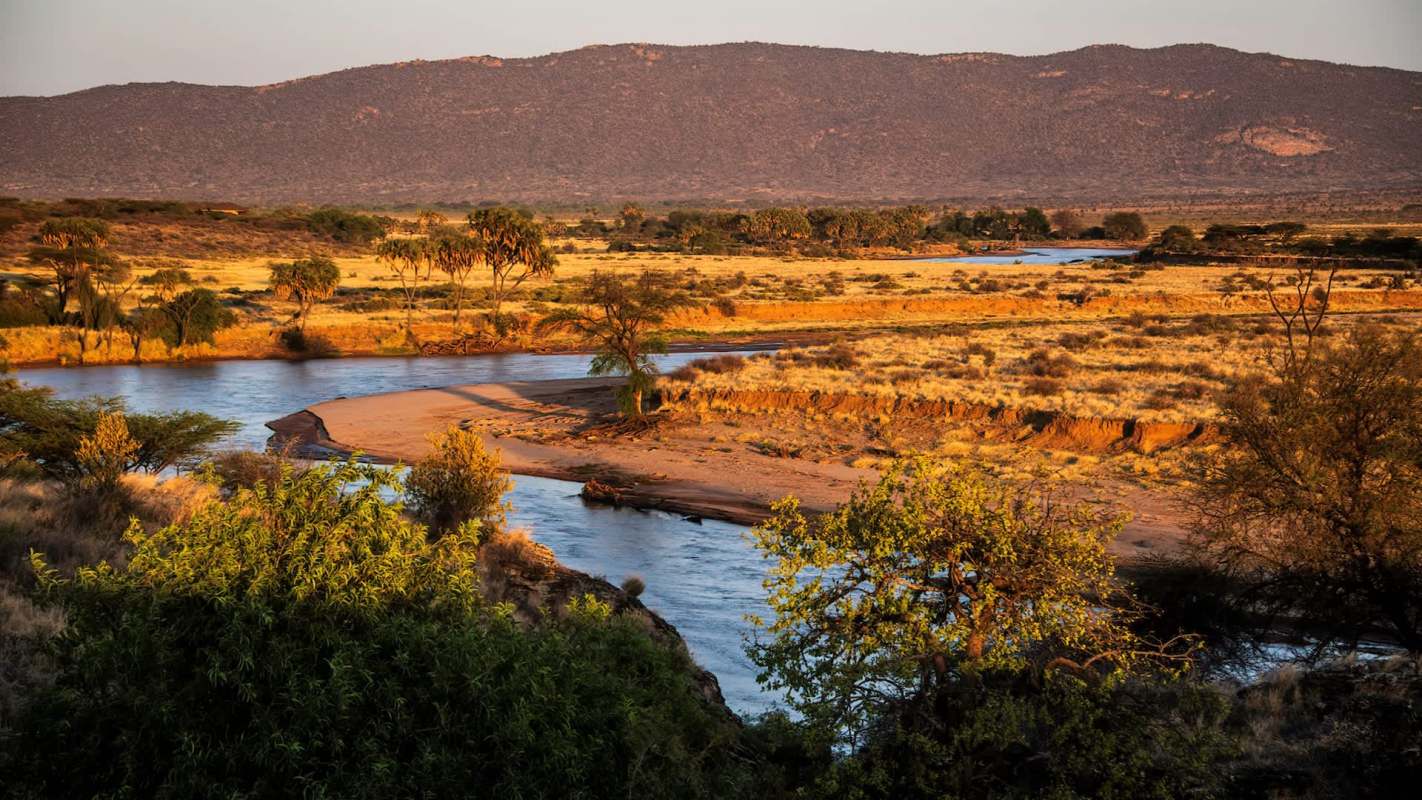
Environmental experts are warning that the invasive Mauritius thorn plants are threatening rivers and wetlands across Kenya, compounding climate-related pressures and endangering local communities.
What's happening?
According to the Daily Nation, researchers gathered at Kitale National Museum in January for a citizen science initiative that focused on documenting ecological threats to local waterways. The event brought community members, students, and children together to learn about monitoring techniques for their rivers.
Attendees used specialized microscopes to study aquatic life in the Museum River, logging their observations in a database platform. The exercise revealed that the Mauritius thorn is a significant danger to regional water systems.
"There is serious concern over the degradation of rivers and wetlands in the country," Jane Kimani, a data scientist at EduTab Africa, told the news outlet. "You can see the threat of Mauritius thorns here. It forms dense stands along watercourses, which reduces stream flow and is a direct threat to the life of the river."
The aggressive plant establishes thick barriers along waterways, restricting flow and altering aquatic habitats. Pollution and other human activities also worsen the damage, contributing to the loss of water catchment zones throughout the area.
Why are Mauritius plants important?
These non-native species can ravage the local environment when they spread unchecked, monopolizing space, nutrients, water, and sunlight that indigenous plants require for survival.
TCD Picks » Quince Spotlight
💡These best-sellers from Quince deliver affordable, sustainable luxury for all




Native organisms evolved over millions of years within specific ecosystems, developing relationships that sustain both the environment and the people who depend on them.
"Some of these invasive species plants are very dangerous and operate as parasites," Adrianous Mukhwana, an environmental expert at Kitale Museum, explained to the Daily Nation.
Trans Nzoia County has witnessed hundreds of families suffering from catastrophic floods that have compromised waterways, leaving them unable to manage precipitation effectively. Rivers choked by foreign vegetation can also deprive communities of access to much-needed water for drinking, irrigation, and economic activities.
What's being done about invasive species?
Environmental advocate Maurice Wanjala called on regional authorities to advance conservation programs and develop economic alternatives, such as bamboo cultivation and apiculture, to reduce dependency on vulnerable river-based zones.
|
What's the most you'd pay per month to put solar panels on your roof if there was no down payment?
Click your choice to see results and speak your mind. |
 $200 or more 💰
 "We urgently need science-based initiatives that can help local communities conserve rivers and forests," Wanjala told the Daily Nation.
Specialists note that learning to identify destructive plants like the Mauritius thorn before they establish themselves is critical. Organized removal efforts and replanting native vegetation can help restore natural water flow.

Get TCD's free newsletters for easy tips to save more, waste less, and make smarter choices — and earn up to $5,000 toward clean upgrades in TCD's exclusive Rewards Club.







