


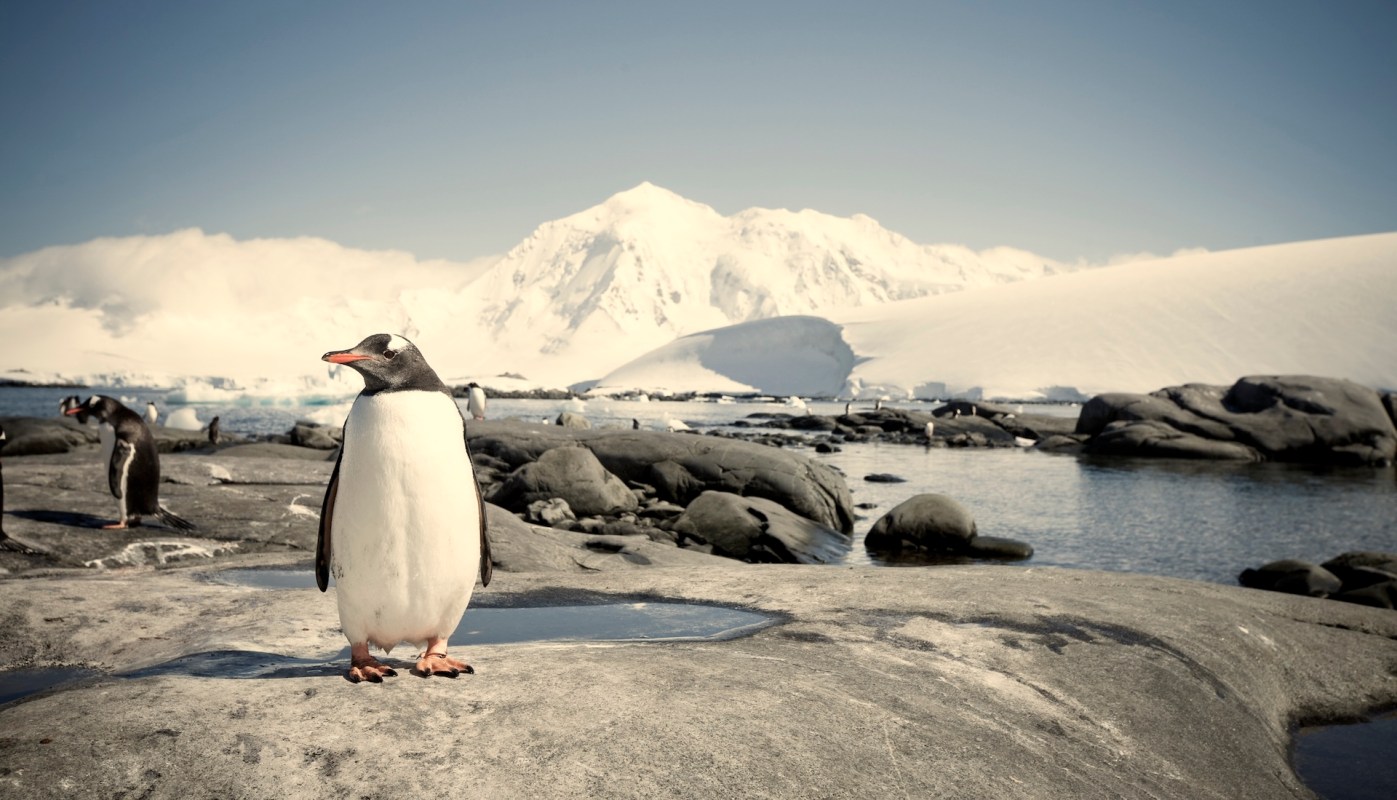
Researchers recently discovered that the breeding season for certain penguin species has moved up due to rising temperatures.
What's happening?
A new study in the Journal of Animal Ecology found that Adélie, Chinstrap, and Gentoo penguin species have advanced their breeding seasons.
Gentoos had the largest change, with an average of 13 days per decade; in the worst cases, this penguin species' window shifted by 24 days. Meanwhile, Adélies and Chinstraps moved by an average of 10 days.
These changes aligned with sea ice loss and rising temperatures impacting the Antarctic. The study found that penguin colony locations were warming at a rate of 0.3 degrees Celsius per year, which was four times the average rate.
As breeding conditions shift, scientists say some species are less resilient than others, raising concerns about biodiversity loss. These changes could increase interspecies competition and disrupt the food chain.
"Our results indicate that there will likely be 'winners and losers of climate change' for these penguin species," lead author Dr. Ignacio Juarez Martínez said in a University of Oxford write-up, per Phys.org.
TCD Picks » Quince Spotlight
💡These best-sellers from Quince deliver affordable, sustainable luxury for all




"Specifically, the increasingly subpolar conditions of the Antarctic Peninsula likely favor generalists like Gentoos at the expense of polar specialists like the krill-specialist Chinstraps and the ice-specialist Adélies."
Why are breeding shifts concerning?
Penguins are an important part of the ecosystem.
They keep the food chain in balance by eating fish, squid, and krill while serving as prey for larger ocean predators.
As a result, they act as a "bellwether for climate change," as researchers put it. When penguin species are at risk, so are the wildlife that rely on them.
|
What's the most you'd pay per month to put solar panels on your roof if there was no down payment?
Click your choice to see results and speak your mind. |
 $200 or more 💰
 Penguin health impacts humans, too. For example, their excrement can help cool oceans, thereby lowering surface temperatures.
This mitigates the impact of rising temperatures in our own communities, which have been affected by heatwaves, crop failures, and higher energy costs.
What's being done about breeding shifts?
While the findings were worrisome, research like this underscored the importance of studying the changes caused by an overheating planet.
The study can help scientists and everyday people understand the best course of action to protect the environment and curb heat-trapping pollution.
"Further monitoring is needed to understand whether this record advance in the breeding seasons of these penguin species is impacting their breeding success," co-author Dr. Fiona Jones said, per Phys.org.

Get TCD's free newsletters for easy tips to save more, waste less, and make smarter choices — and earn up to $5,000 toward clean upgrades in TCD's exclusive Rewards Club.







