


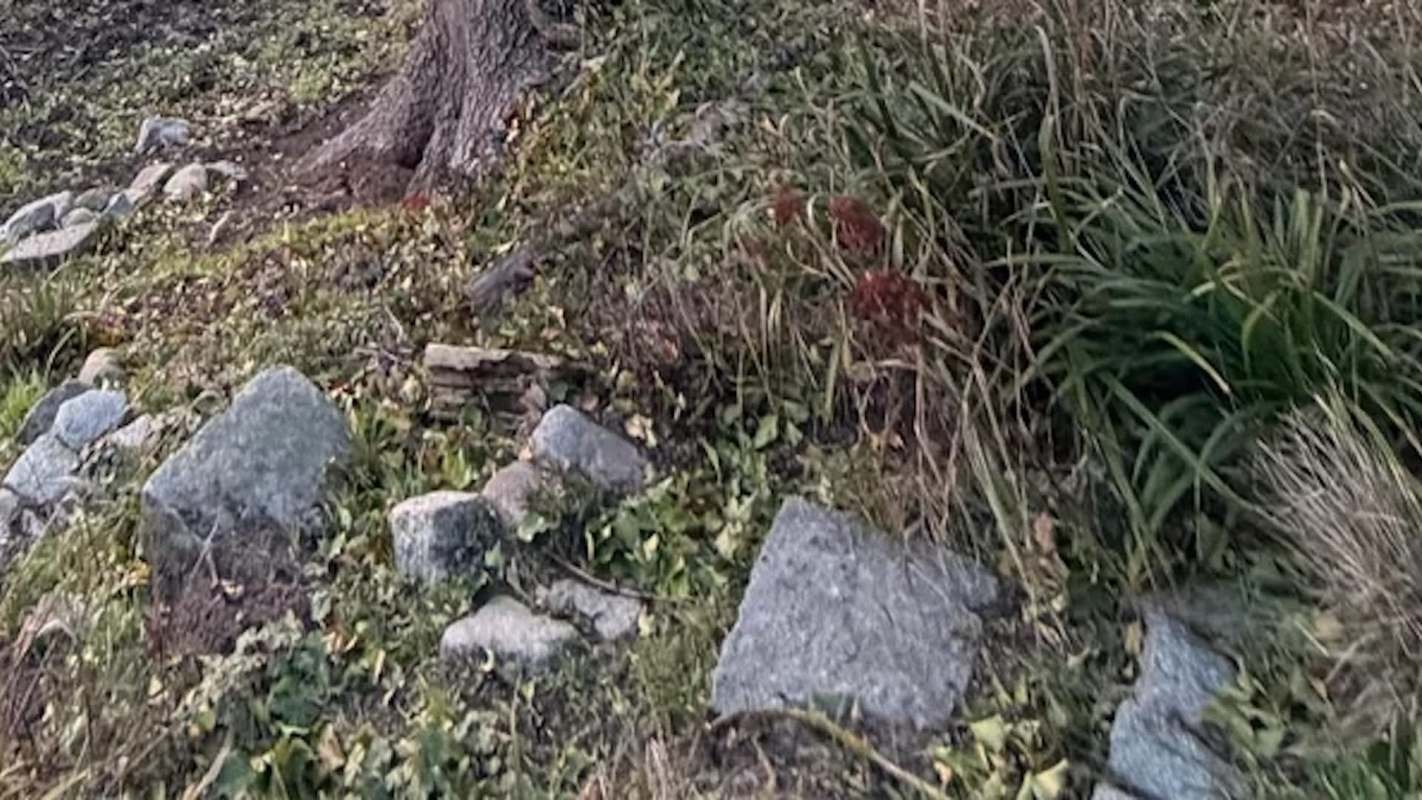
Homeownership comes with a lot of responsibility, both inside and outside the home. Getting to know the plants, trees, and wildlife on your land is crucial, especially for identifying troublesome species.
In the r/arborists subreddit, a Reddit user posted photos of their tree that had been covered by a trailing vine plant. They asked for advice on whether the plant was dangerous to the health of the tree and how to effectively get rid of it.
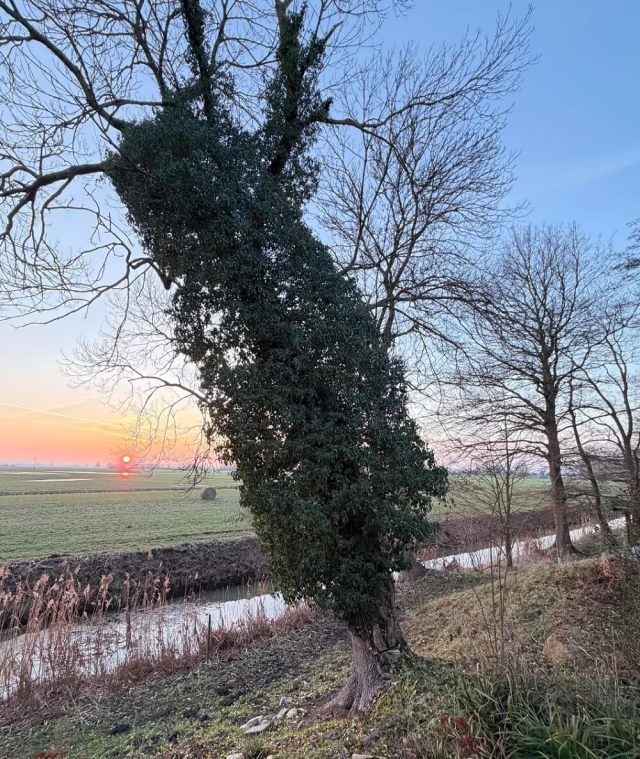
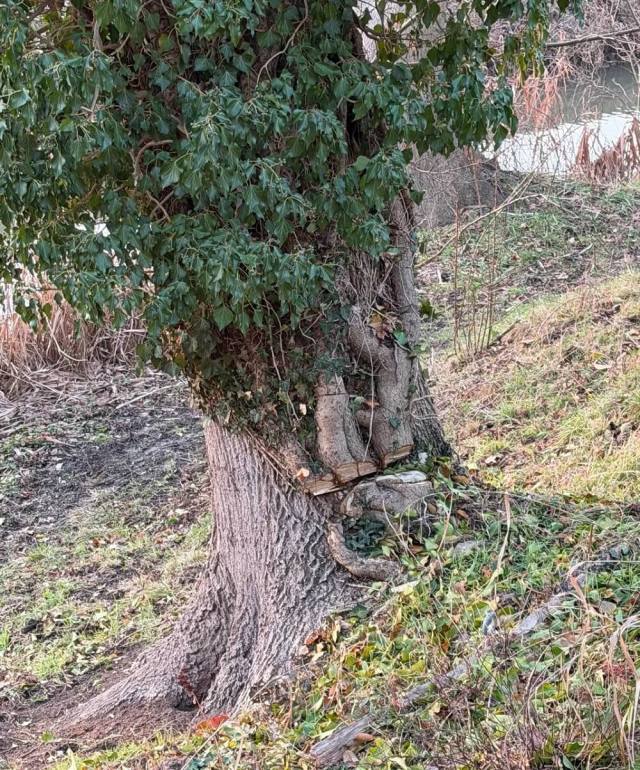
"We bought a house last year and this tree in our garden is basically eaten alive by this enormous mistletoe (I guess). We cut the roots of the mistletoe last summer but nevertheless it is not dying. There are no other roots around the tree. What are we doing wrong/how can we get rid of it before it destabilizes the tree even more?" they asked.
Commenters were quick to point out that the plant was likely ivy and not mistletoe. Some offered tips for removal, while others suggested leaving the ivy be, as it can provide a lot of natural benefits.
"Sometimes ivy can reconnect where it has been cut, I would recommend removing around 6 inches instead of just slicing through the vines once. After that, don't pull out the rest and just let it die and fall out on its own," one user said.
"Stay on it as well. This s*** is insane and will grow like a mf. Thank you for saving trees. I see people in my neighborhood having their trees destroyed by ivy every day and they don't do anything," another commenter said.
TCD Picks » Quince Spotlight
💡These best-sellers from Quince deliver affordable, sustainable luxury for all




"There's quite a few parts in Europe where ivy is native and not harmful to trees. They're actually an important part of the ecosystem and can house many species of animals as well as providing a source of food for them," a user commented.
In parts of North America, ivy is considered an invasive species that gardeners hate to see spreading in their yard. It's important to research what's native and invasive to your area so you know how best to care for your garden.
For homeowners, invasive plants can cause damage to other plants and be time-consuming and expensive to remove. They also threaten ecosystems if they compete with natives for resources and grow where they are not supported.
Keeping on top of non-native growth helps maintain your space's biodiversity and supports pollinators, which in turn helps your plants flourish. Planting native species saves money and maintenance time as they are already adapted to their environment.
|
What's the most you'd pay per month to put solar panels on your roof if there was no down payment?
Click your choice to see results and speak your mind. |
 $200 or more 💰
Get TCD's free newsletters for easy tips to save more, waste less, and make smarter choices — and earn up to $5,000 toward clean upgrades in TCD's exclusive Rewards Club.






