


"Study the past, if you would define the future" is an unsourced quote often attributed to Chinese philosopher Confucius, and a new study in the journal Nature Communications Earth & Environment illustrated its gravamen perfectly.
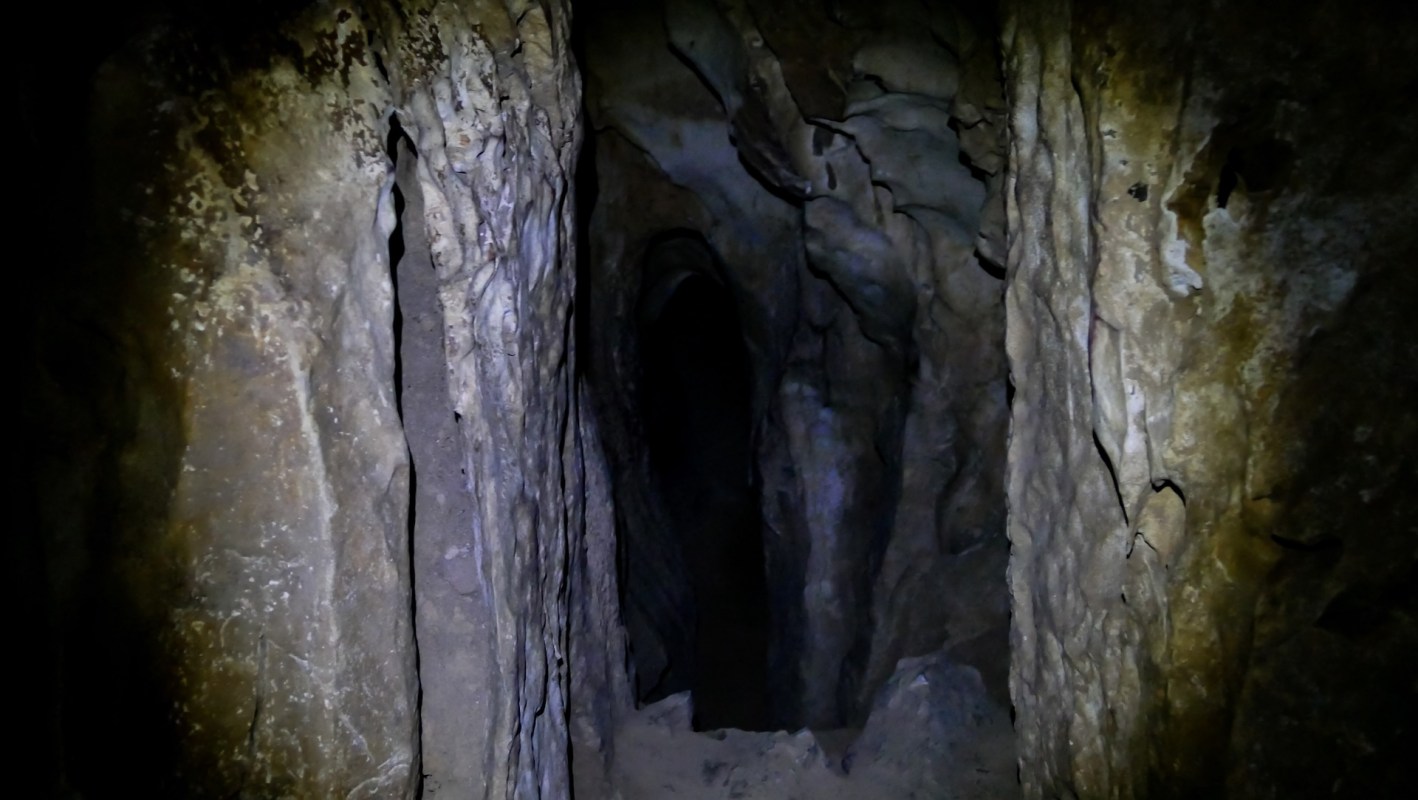
In 2022 and 2023, researchers in Saudi Arabia excavated 134 underground caves as part of a broader effort to study the region's native wildlife.
They were stunned to discover seven mummified cheetahs and 54 sets of skeletal remains.
As the study noted, cheetah populations "experienced a particularly severe population decline globally" and lost over 90% of their habitat worldwide.
Researchers acknowledged that the decline of cheetahs in the broader Arabian Peninsula was "poorly documented," but largely attributed it to "habitat loss and fragmentation, prey depletion, human-wildlife conflict, unregulated hunting, and trade in cheetah as pets or game hunting."
The study identified five known cheetah subspecies and found that the critically endangered Asiatic cheetah, of which only a few dozen remain, was "historically … presumed present in Saudi Arabia."
TCD Picks » Quince Spotlight
💡These best-sellers from Quince deliver affordable, sustainable luxury for all




That assumption was based in part on reported sightings between 1838 and 1977, but researchers cited a "scarcity of evidence" beyond that to bolster ongoing efforts to reestablish cheetah populations in Saudi Arabia.
The find contained "skeletal remains dating back about 4,000 years" and others 150 years, giving the researchers a vast trove of biological data from which to draw and inform their efforts.
According to BBC Wildlife, subsequent DNA analyses held surprising insights about cheetah subspecies on the Arabian Peninsula, with the "youngest" specimen most closely related to the critically endangered Asiatic cheetah.
As the authors pointed out, conservation initiatives in Saudi Arabia to achieve "global biodiversity goals" necessarily meant working to "re-establish and recover critically endangered species and restore them to their former biogeographic ranges."
|
What's the most you'd pay per month to put solar panels on your roof if there was no down payment?
Click your choice to see results and speak your mind. |
 $200 or more 💰
 Researchers stipulated that such initiatives were particularly impactful when they involved apex predators like cheetahs, because their population declines "can degrade ecosystems by deregulating herbivores," undermining regional biodiversity.
Ultimately, the researchers concluded that the discovery of the mummified cheetah remains provided critical information for reintroducing cheetahs, and they emphasized the importance of caves for conservation and rewilding.
"Our results highlight the important role caves may play as repositories of ancient biodiversity informing, in the absence of benchmarks [for] rewilding efforts," the authors wrote.

Get TCD's free newsletters for easy tips to save more, waste less, and make smarter choices — and earn up to $5,000 toward clean upgrades in TCD's exclusive Rewards Club.







