


Thai authorities recently dealt a major blow to the illegal ivory trade, seizing 169 kilograms — roughly 370 pounds — of smuggled ivory originating from Laos.
What's happening?
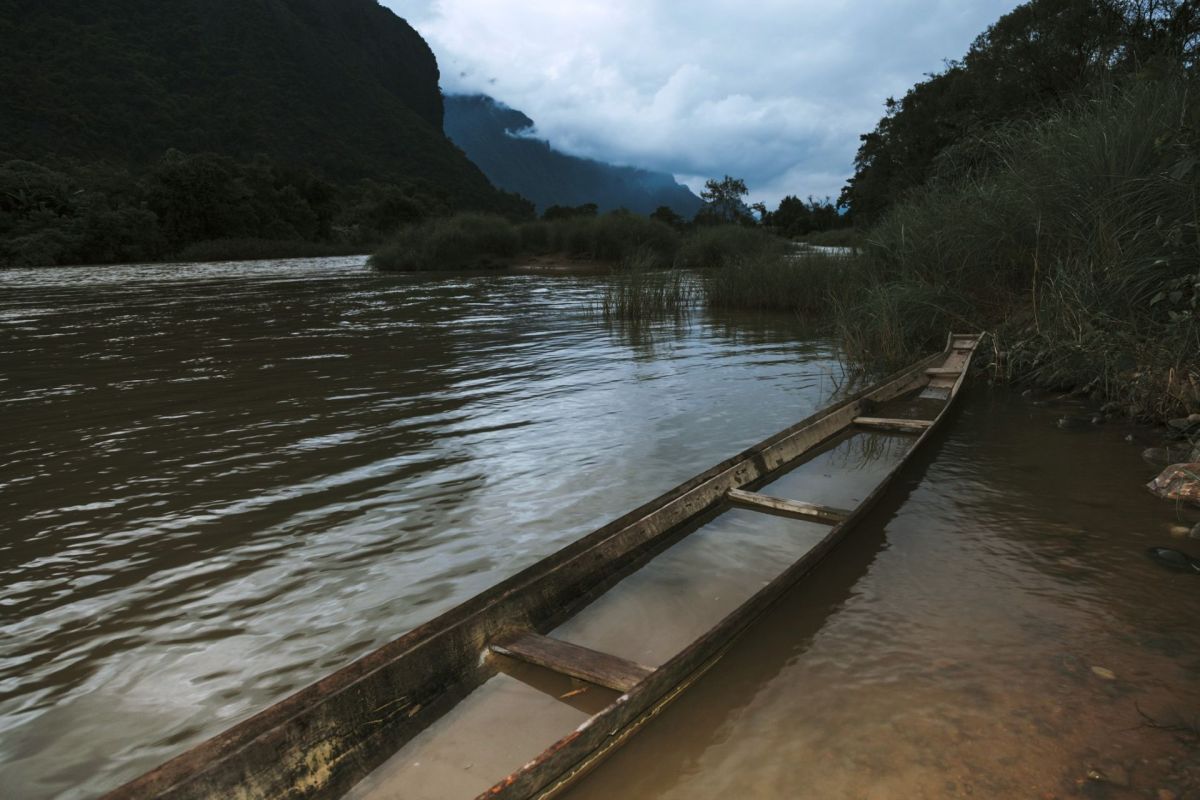
Authorities recently interrupted an ivory trade operation on the Mekong River after receiving a tip that a boat would be delivering ivory from Laos to Thailand. Though the boat fled back to Laos during the operation, a subsequent search of the area uncovered nine abandoned blue plastic bags containing 55 ivory tusks weighing a combined 169 kilograms, the Laotian Times reported.
Two suspects were arrested in connection with the trafficking operation. During questioning, the suspects said they were paid 200 baht — roughly $5.70 — per bag to carry the cargo from the boat to shore, claiming they believed the bags contained bamboo.
Per the Laotian Times, Thai officials have since charged the suspects with possession of protected wildlife products without a permit, illegal import and export of animal remains without inspection, and smuggling prohibited goods. Authorities say the investigation is ongoing as they work to identify and apprehend those responsible for coordinating the cross-border trafficking operation.
Why is this massive ivory seizure important?
Though difficult to quantify, illegal wildlife trafficking is estimated to be a multibillion-dollar industry that directly threatens the survival of many endangered and threatened species, including vulnerable elephant populations. According to the World Wildlife Fund, the illegal wildlife trade is second only to habitat destruction as a threat to the world's most at-risk species.
For African elephants in particular, poaching driven by the illegal ivory trade is the single greatest threat to their survival. The World Wildlife Fund estimates that at least 20,000 African elephants are illegally killed for their tusks each year.
TCD Picks » Quince Spotlight
💡These best-sellers from Quince deliver affordable, sustainable luxury for all




Ivory trafficking makes it profitable to kill elephants for their tusks, directly incentivizing their population decline. Elephants are key "ecosystem engineers," playing an essential role in maintaining healthy, resilient natural environments. When elephants and other core species are removed through poaching, it can trigger serious ecological imbalances. These disruptions are felt throughout a region's entire ecosystem, harming biodiversity and ultimately affecting human populations that rely on stable ecosystems for their livelihoods and well-being.
Prosecuting the ivory trade is vital because it helps deter poaching, protect elephant populations, and disrupt criminal networks that profit from the destruction of wildlife and ecosystems.
What's being done about the illegal ivory trade?
Global governments are taking steps to crack down on the illegal ivory trade, starting with stronger laws and enforcement. Many countries have banned or severely restricted ivory sales, increased penalties for trafficking, and stepped up border inspections and patrols in known smuggling hotspots. International cooperation has also improved, with countries sharing intelligence and working together to disrupt trafficking routes that cross borders, as in this case.
At the same time, conservation organizations are focusing on the demand side of the problem. Public awareness campaigns aim to reduce consumer interest in ivory products, while community-based programs work to provide alternative sources of income so people aren't pushed into poaching out of economic necessity.
TCD Picks » Quince Spotlight
💡These best-sellers from Quince deliver affordable, sustainable luxury for all
|
What's the most you'd pay per month to put solar panels on your roof if there was no down payment?
Click your choice to see results and speak your mind. |
 $200 or more 💰
Get TCD's free newsletters for easy tips to save more, waste less, and make smarter choices — and earn up to $5,000 toward clean upgrades in TCD's exclusive Rewards Club.







