


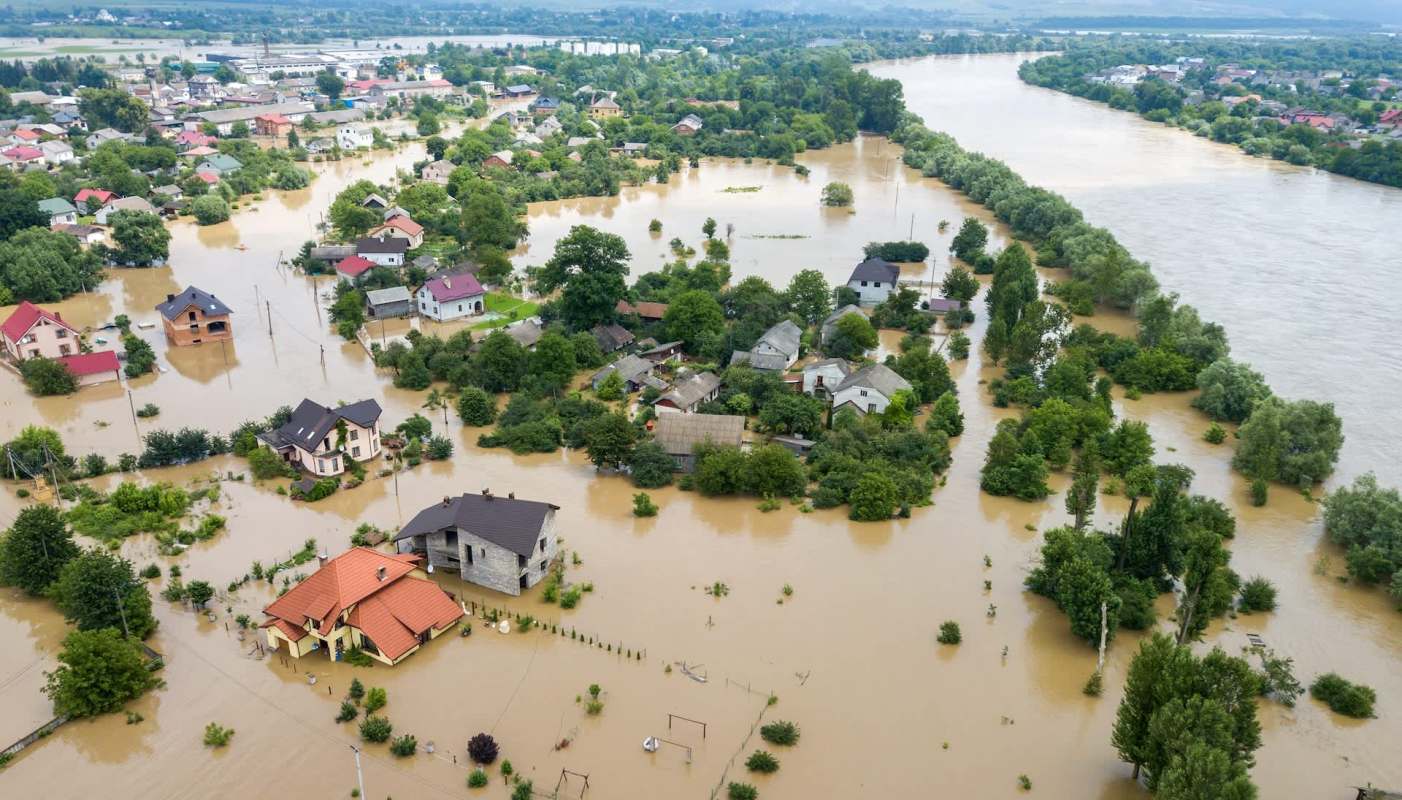
Devastating flooding forced the evacuation of around 143,000 people from their homes in the North African nation of Morocco after rounds of heavy rain that started in late January spilled over into the first week of February.
Numerous weather alerts were still in place as of Thursday for the northern half of Morocco. The country's weather service, the General Directorate of Meteorology, had alerts in place for strong winds and thunderstorms that could bring additional heavy rain to the region.
The alertness levels that correspond to these alerts range from a significant risk where "dangerous weather phenomena are expected" to extreme risk, which means "dangerous weather phenomena of exceptional intensity are expected," according to the weather service.
Morocco's historic city of Ksar El-Kbir has been hit hard by this week's flooding.
"The population needs to comply with God's deed and leave today. We only have a handful of inhabitants remaining but they will need to leave," the chairman of Ksar El-Kbir's city council, Mohamed Simo, told Bloomberg on Wednesday. "Water is coming in from every corner and rainfall is expected to reach 150 millimeters between afternoon and evening today. We are doing everything we can to prevent loss of life."
King Mohammed VI ordered Morocco's military to assist with rescue and relief operations. The Grand Palace is at risk of flooding from this week's rain. Floodwaters from the Loukkos River forced residents to evacuate in trucks and horse-drawn carriages in northern Morocco.
TCD Picks » Quince Spotlight
💡These best-sellers from Quince deliver affordable, sustainable luxury for all




The Oued El-Makhazine Dam was built on the waters of the Loukkos River basin in the late 1960s after Ksar El-Kbir endured several floods, according to state television 2M. The dam is currently holding over 40% more water than its original design capacity.
Morocco is addressing the impacts our warming world is having on the country. Morocco plans to phase out coal by 2040, investing $30 billion in infrastructure and retiring old plants. The shift to renewable energy could reduce pollution, improve public health, and strengthen the nation's economy.
Our warming world is supercharging the water cycle, creating a dichotomy.
"Current climate models indicate that rising temperatures will intensify the Earth's water cycle, increasing evaporation," say NASA scientists. "Increased evaporation will result in more frequent and intense storms, but will also contribute to drying over some land areas.
|
What's the most you'd pay per month to put solar panels on your roof if there was no down payment?
Click your choice to see results and speak your mind. |
 $200 or more 💰
 "As a result, storm-affected areas are likely to experience increases in precipitation and increased risk of flooding, while areas located far away from storm tracks are likely to experience less precipitation and increased risk of drought."
Northern Africa is vulnerable to extremes at either end of the water cycle spectrum. While the northern part of the country is facing flooding today, officials were addressing a major drought in parts of the country late last year. Morocco's innovative floating solar installation shades reservoir water to save it from evaporation while producing electricity for nearby infrastructure. Experts call it a win-win for water conservation and clean energy amid worsening drought conditions.
"Precipitation has been decreasing and is projected to continue declining across the country, with marked changes beyond natural variability anticipated in all regions before 2050," concluded a World Bank Group climate risk profile of Morocco.
It added, "Longer drought seasons and the expansion of desertification northward are expected. At the same time, extreme precipitation events are likely to occur more frequently, increasing the risks of floods and landslides especially when combined with overall drier conditions."

Get TCD's free newsletters for easy tips to save more, waste less, and make smarter choices — and earn up to $5,000 toward clean upgrades in TCD's exclusive Rewards Club.







