


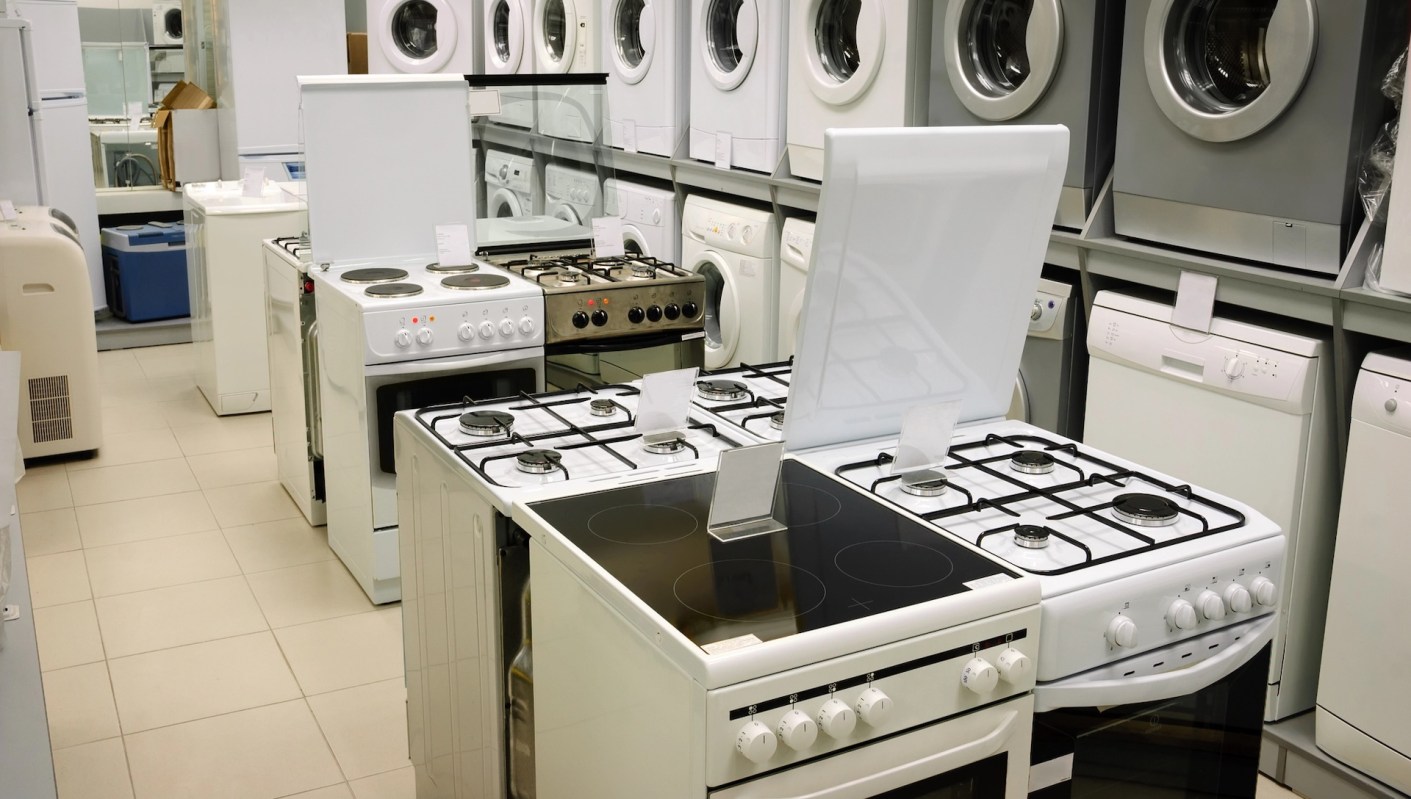
Illinois lawmakers have proposed a bill that would require all gas appliances to come with a safety warning about respiratory risks.
Local news station WTVO explained that House Bill 4272 would apply to all non-externally vented natural gas appliances. The proposed label would read: "WARNING: Gas appliances can release nitrogen dioxide and carbon monoxide inside homes at levels exceeding the Environmental Protection Agency's standards for outdoor air quality. The presence of these pollutants may exacerbate pre-existing respiratory illnesses or lead to the development of asthma, especially in children. Gas appliances should never be used without a ducted vent hood to reduce exposure to these emissions."
Though Illinois lawmakers introduced similar unsuccessful legislation in 2023, other states have had more success. Colorado enacted a mandate for cigarette-style warning labels on gas stoves (a fight to enforce that mandate is now playing out in court).
One of the gases that the new Illinois legislation calls attention to, carbon monoxide, is known as the "silent killer," as it is odorless, tasteless, and invisible. The Centers for Disease Control and Prevention estimates that more than 400 people die each year from carbon monoxide poisoning not linked to fires.
TCD Picks » Induction Cooking
💡Discover the induction option that’s just right for your needs and your home



Gas stoves have also been correlated with the development of childhood asthma or worsening symptoms.
Plus, continued reliance on gas appliances contributes to the overheating of the planet. Over three-quarters of pollution comes from gas, oil, and coal, per the United Nations.
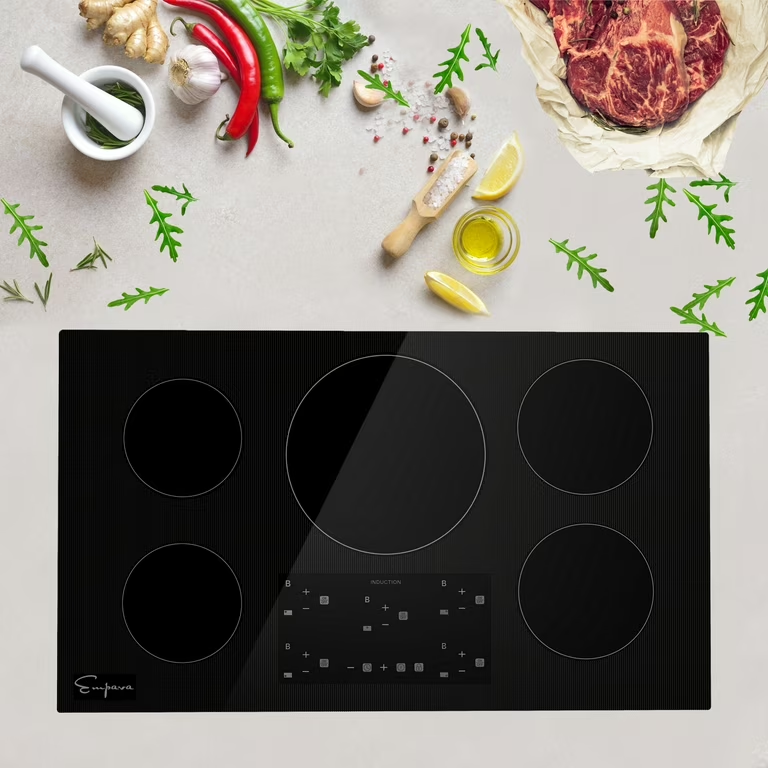
One excellent way to protect your family and Earth is to opt for an induction cooktop, a type of electric appliance that does not use gas. Induction stoves keep dangerous pollutants out of your home, cook food faster, and are more cost-effective since they are more energy-efficient, Consumer Reports notes. Plus, some states are still offering up to $840 toward the purchase of an induction range.
For people who rent or want to avoid a home renovation, plug-in induction burners offer the same benefits at a fraction of the cost. These devices start at around $50 and help keep dangerous pollutants out of your home too.
Save $10,000 on solar panels without even sharing your phone number Want to go solar but not sure who to trust? EnergySage has your back with free and transparent quotes from fully vetted providers in your area. To get started, just answer a few questions about your home — no phone number required. Within a day or two, EnergySage will email you the best options for your needs, and their expert advisers can help you compare quotes and pick a winner. Solar panels can save you more than $50k over their 25-year lifespan, and EnergySage can help you save as much as $10k on installation. Which begs the question — isn't that worth an email or two? |

|
What's the most you'd pay per month to put solar panels on your roof if there was no down payment?
Click your choice to see results and speak your mind. |
 $200 or more 💰
Get TCD's free newsletters for easy tips to save more, waste less, and make smarter choices — and earn up to $5,000 toward clean upgrades in TCD's exclusive Rewards Club.






