


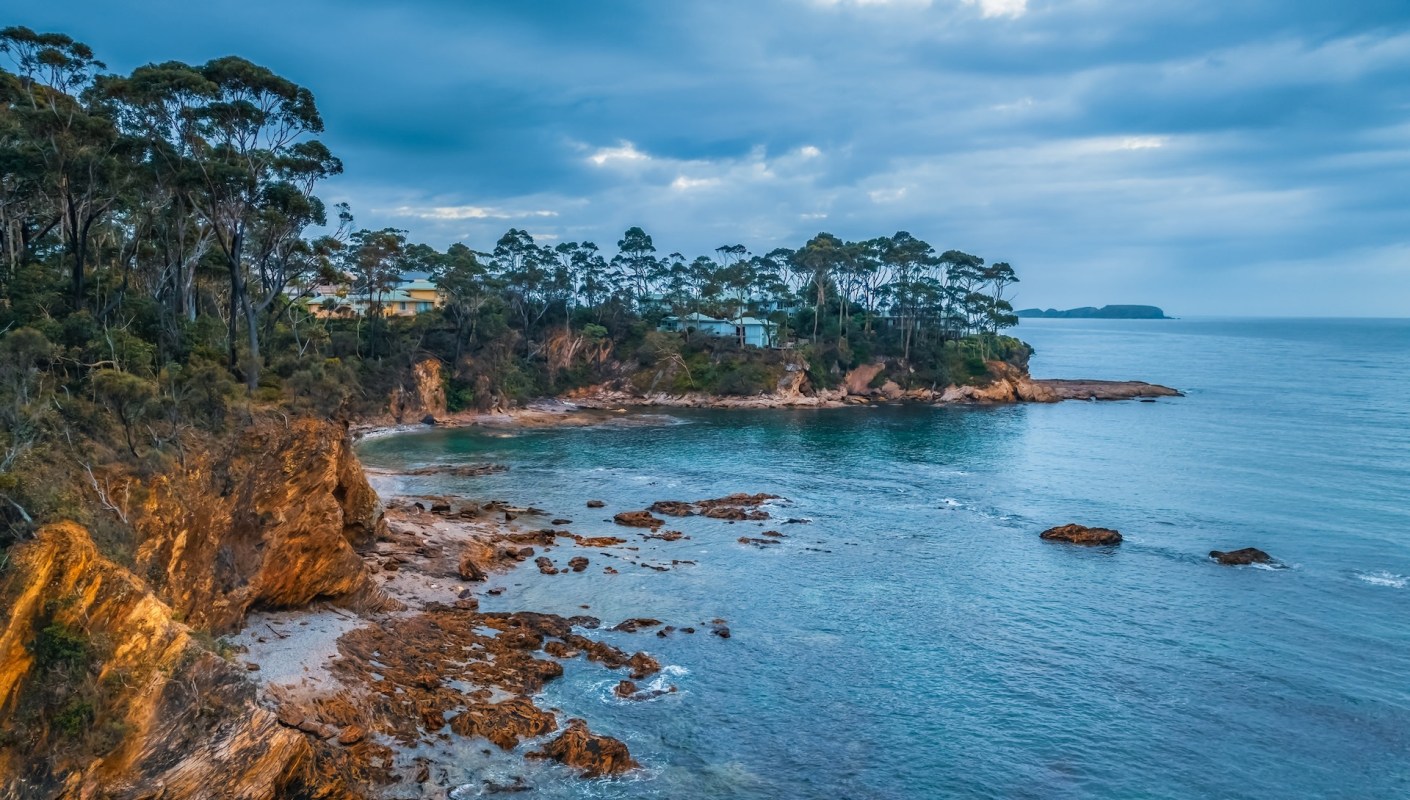
Scientists are using underwater listening devices to track how whale travel patterns are shifting along Australia's coastline, reported About Regional.
What's happening?
Researchers from Griffith University have placed hydrophones at several spots along Australia's eastern coast, from Cairns in the tropics down to Batemans Bay.
These underwater microphones collect data for roughly half a year. They pick up humpback vocalizations and other ocean sounds before nearby diving businesses collect the equipment.
Dr. Olaf Meynecke, who heads the university's Whales and Climate Program, said the recordings show that humpback whales are altering when and where they travel. The mammals appear to be starting their trips earlier with polar ice shrinking. More are staying in cooler southern waters rather than heading north.
"There is definitely a bit of an increase in presence, even in August, but there's still a clear, distinct difference between the northern and southern migration," Dr. Meynecke noted. "We haven't got that on the South Coast; it just has whales all the time."
Why are changing whale migrations concerning?
When large marine animals change their movement patterns, it often signals broader shifts in ocean conditions.
TCD Picks » Quince Spotlight
💡These best-sellers from Quince deliver affordable, sustainable luxury for all




Dr. Meynecke said the team cannot monitor whales by sight over extended periods. That means researchers frequently overlook subtle shifts in how the animals cope with a warming planet.
The recovering humpback population may explain part of this change.
"Now, when there's more whales, more can stay behind, save that energy and wait for the breeders to come back during the southern migration," explained Dr. Meynecke.
While researchers have said more data is needed before drawing firm conclusions, they suspect several overlapping reasons, including warming waters and population recovery. Tracking these shifts helps scientists understand how marine life is responding to changing ocean conditions worldwide.
|
What's the most you'd pay per month to put solar panels on your roof if there was no down payment?
Click your choice to see results and speak your mind. |
 $200 or more 💰
 What can I do to help protect whales?
Citizen science programs like this one, where diving businesses help deploy and collect monitoring equipment, are improving how researchers track marine life.
You can support similar efforts by volunteering with ocean research organizations or donating to marine conservation groups.
Reducing your carbon footprint helps address the underlying cause of warming oceans. Switch to renewable energy for your home, and cut back on air travel when possible. Support businesses that are committed to cutting their environmental impact.
Contact your elected officials and voice your support for policies that protect marine habitats and address rising ocean temperatures.

Get TCD's free newsletters for easy tips to save more, waste less, and make smarter choices — and earn up to $5,000 toward clean upgrades in TCD's exclusive Rewards Club.







