


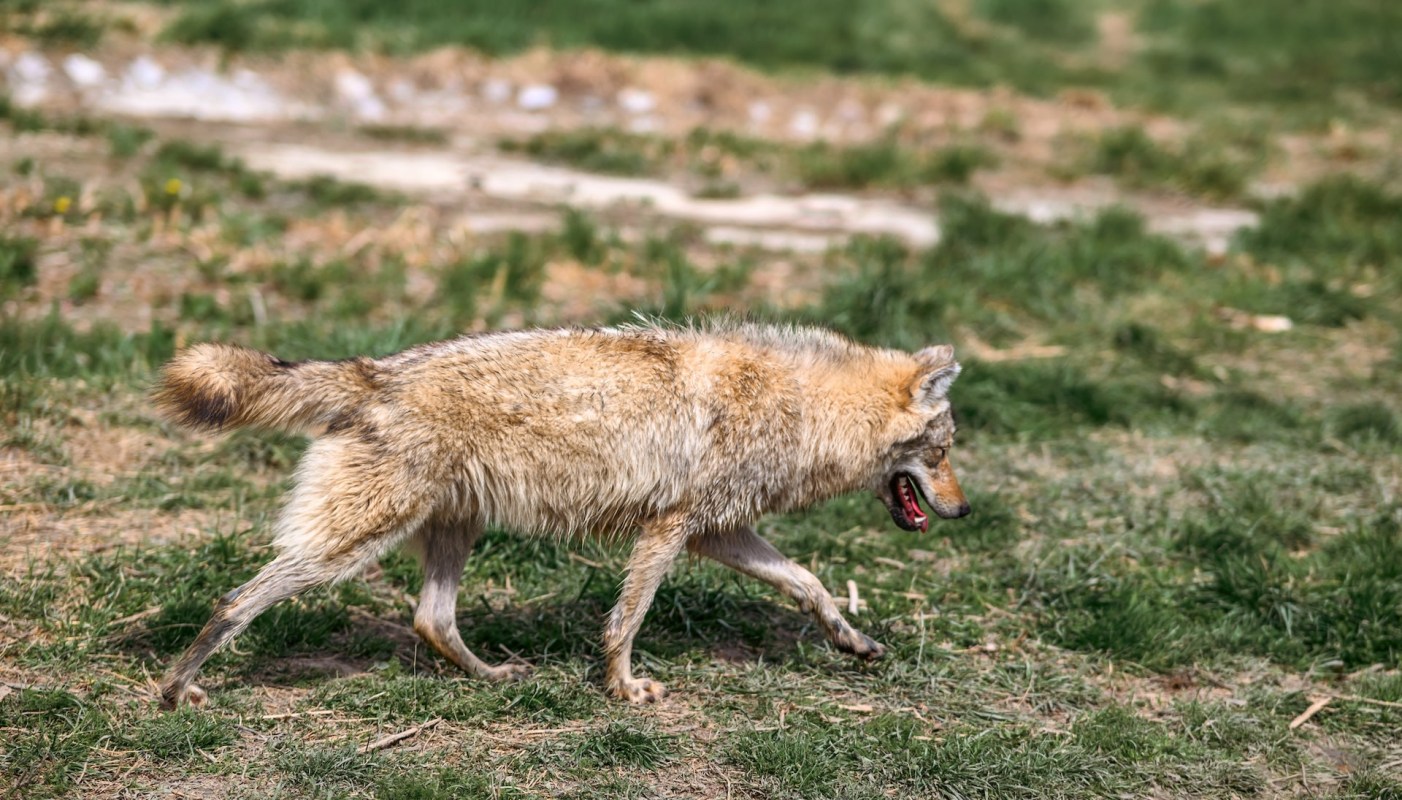
A study conducted across Turkey revealed that wolf disturbances often occurred close to rural livestock farming.
The findings offer food for thought about how to balance biodiversity conservation while maintaining rural livelihoods.
What's happening?
This study, released in the Journal of Environmental Management in early December, was conducted in Turkey between 2004 and mid-2025.
Researchers observed and analyzed patterns of wolf disturbances and the impact of conflict. They found that wolf disturbances tended to occur at night, particularly around the edges of where rural livestock farming occurred — in eastern and central Anatolia, mostly.
Over the 20-year period, there were an estimated 12,000 livestock casualties from wolf attacks, according to the study.
The researchers also found that there were more wolf disturbances during periods when livestock grazed openly, which happens in the spring and fall.
TCD Picks » Quince Spotlight
💡These best-sellers from Quince deliver affordable, sustainable luxury for all




Livestock farming, however, isn't the only factor contributing to increased wolf conflicts.
Human development, including habitat fragmentation and road networks, also increases the likelihood that wolves will enter human-habituated areas.
Why is this important?
Human-wildlife conflicts are becoming more common as extreme weather events, such as droughts and wildfires, are also becoming more frequent.
Extreme weather events destroy the natural landscape and limit available natural resources, forcing wildlife to search for food and limited natural resources from humans nearby, which endangers both humans and wildlife.
|
What's the most you'd pay per month to put solar panels on your roof if there was no down payment?
Click your choice to see results and speak your mind. |
 $200 or more 💰
 However, humans are not powerless in the face of potential wildlife encounters.
This study offers greater insight into periods of increased activity, allowing farmers to better defend against wolf disturbances and reduce potential financial losses.
The findings also encourage greater consideration of how humans build, develop, and change the land, which ultimately impacts local wildlife.
What's being done about this?
These findings highlight the greater challenge of human-wildlife coexistence and what that may look like.
While researchers admit there is no single correct answer to reducing the negative impacts of wolf conflicts, they do suggest taking a holistic approach to improving the situation.
This includes investing in education and awareness programs, championing fair compensation for farmers who experience livestock losses, and incorporating strategic land-use planning to minimize environmental harm.

Get TCD's free newsletters for easy tips to save more, waste less, and make smarter choices — and earn up to $5,000 toward clean upgrades in TCD's exclusive Rewards Club.







