


Research has identified a possible link between the tiny plastic particles found all around us and chronic inflammatory bowel disease.
What's happening?
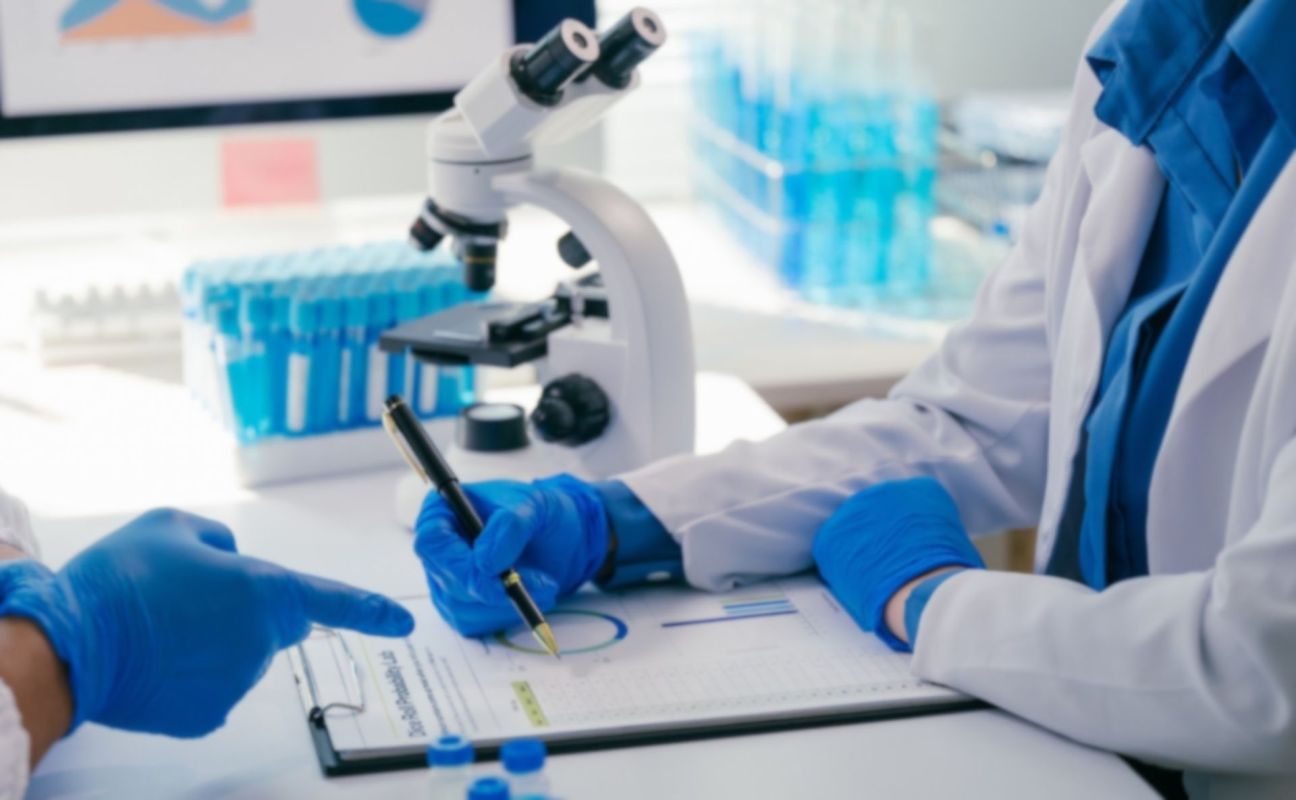
According to a summary of the research provided by the Medical University of Vienna, the researchers used a mouse model to examine the effects of micro- and nanoplastics on ulcerative colitis, one of the most common forms of inflammatory bowel disease.
The team found that these plastics influenced immune cells and the intestinal microbiome, factors that can increase inflammation.
Study leader Lukas Kenner explained in a statement that under such inflammatory conditions, these plastic particles accumulate in the intestines and other excretory organs such as the liver and kidneys, as well as in the bloodstream.
This was especially true for very small nanoplastics, which can cross biological barriers and cause problems in other organs.
"Our results indicate that [the presence of micro- and nanoplastics] is a previously underestimated factor in the development and intensification of chronic inflammatory bowel diseases," Kenner added.
TCD Picks » Quince Spotlight
💡These best-sellers from Quince deliver affordable, sustainable luxury for all




Why is this study concerning?
This isn't the first paper to raise alarms about the potential effects of microplastic exposure. For instance, another study on mice found that nanoplastics exposure wreaked havoc on gut health. Another inquiry discovered a correlation between microplastics and chronic kidney disease in these rodents.
Meanwhile, these tiny plastics are all around us, including in the air we breathe, the water we drink, our food, and soil. In fact, one study found that people ingest at least 50,000 microplastic particles a year and breathe in a similar amount.
What can be done about microplastics?
To slow the number of new microplastics entering the environment and, thus, our bodies, it's important to cut down on single-use plastics.
Some governments across the globe have already taken decisive stands on plastic, even banning some items. For instance, lawmakers in New South Wales, Australia, will be phasing out items such as plastic bread tags, soy sauce bottles, and pizza savers.
But it doesn't take a law to make a difference. Everyone can help by taking actions such as bringing reusable cutlery to restaurants, opting for reusable shopping bags and water bottles, and using shampoo bars instead of bottled liquid versions.
|
What's the most you'd pay per month to put solar panels on your roof if there was no down payment?
Click your choice to see results and speak your mind. |
 $200 or more 💰
Get TCD's free newsletters for easy tips to save more, waste less, and make smarter choices — and earn up to $5,000 toward clean upgrades in TCD's exclusive Rewards Club.






