


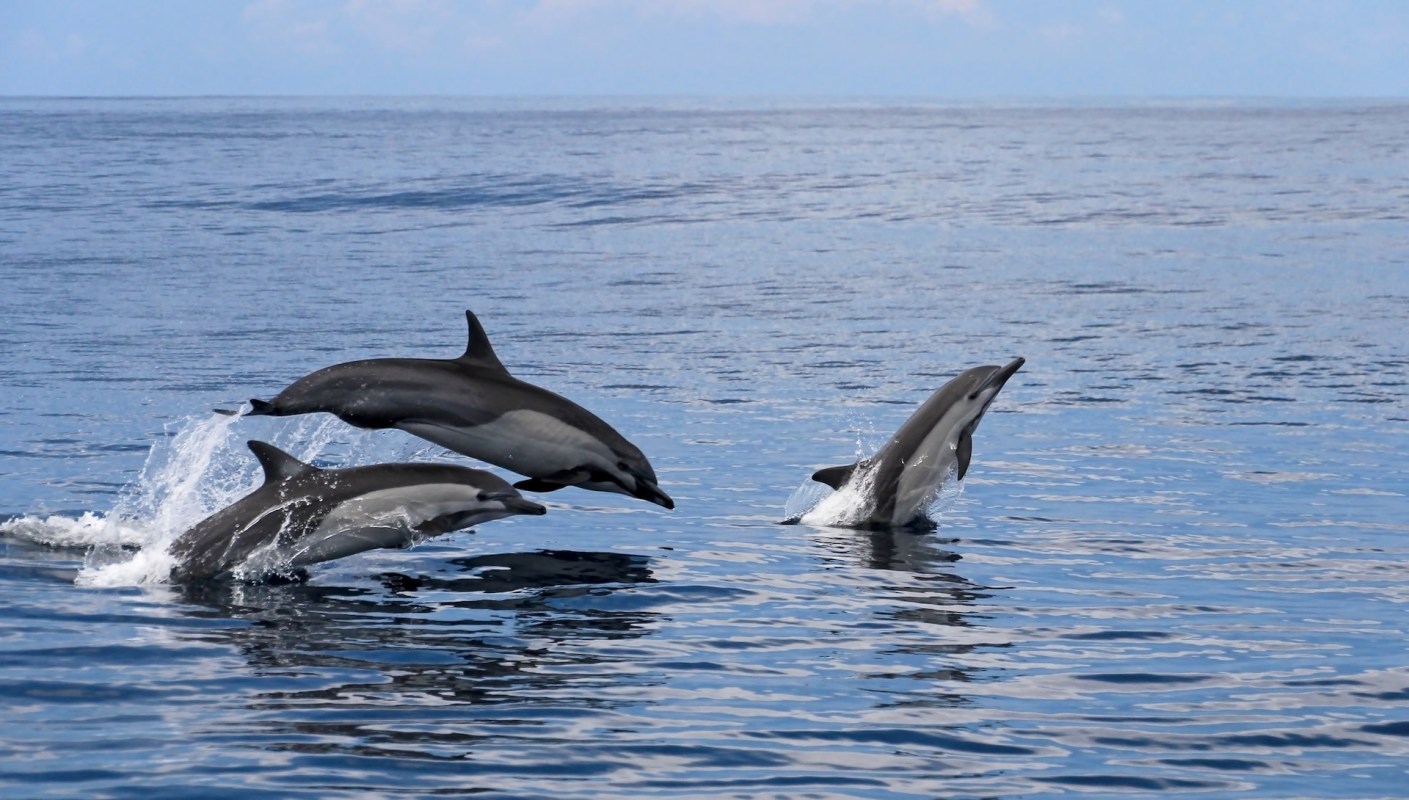
A nearly two-decade study from the University of Hawaiʻi at Mānoa revealed a troubling trend in whale and dolphin strandings. The findings show that the majority of those animals had suffered some form of natural disease or human-caused trauma.
What's happening?
Published in the journal Diseases of Aquatic Organisms, the study examined 272 strandings that occurred between 2006 and 2024. Of those whale and dolphin strandings, 29.2% had suffered human-caused trauma. Vertebral and skull fractures indicated a direct vessel strike.
While natural disease accounted for 62% of the strandings, the researchers uncovered another startling fact.
"Significant plastic debris and/or fishery debris were found in stomachs of six species, with fatal gastric obstruction in a sperm whale and fatal fishhook penetration in a bottlenose dolphin," wrote the researchers.
In some cases, the plastic and fishery debris that whale and dolphin species encountered caused fatal injuries. One sperm whale from the study died from a stomach blockage caused by the debris. Likewise, a bottlenose dolphin suffered fatal injuries after a fishhook got caught in it.
Why is the new study on whale and dolphin strandings important?
This study is important because it provides conservationists with a foundational, long-term look at the cause of marine deaths. The team compiled data that can inform conservationists about the most significant threat to these marine species.
TCD Picks » Quince Spotlight
💡These best-sellers from Quince deliver affordable, sustainable luxury for all




Understanding those threats can help conservationists better prevent future dolphin and whale strandings.
"Dolphins and whales are sentinels of ocean health — we need to understand why these animals die to help others live," Kristi West, director of the UH Health and Stranding Lab at the College of Tropical Agriculture and Human Resilience, told Phys.org.
What's being done about whale and dolphin strandings?
Scientists continue to study whale and dolphin strandings to better understand the different threats they face. Marine experts also encourage locals to report any sightings of distressed or injured marine life to the National Oceanic and Atmospheric Administration Marine Wildlife Hotline.
Reducing your plastic waste is a simple way you can help protect marine life. By ditching single-use plastics and decreasing your waste, you help prevent debris from ending up in our oceans, where marine life can mistake it for food.
|
What's the most you'd pay per month to put solar panels on your roof if there was no down payment?
Click your choice to see results and speak your mind. |
 $200 or more 💰
Get TCD's free newsletters for easy tips to save more, waste less, and make smarter choices — and earn up to $5,000 toward clean upgrades in TCD's exclusive Rewards Club.







