


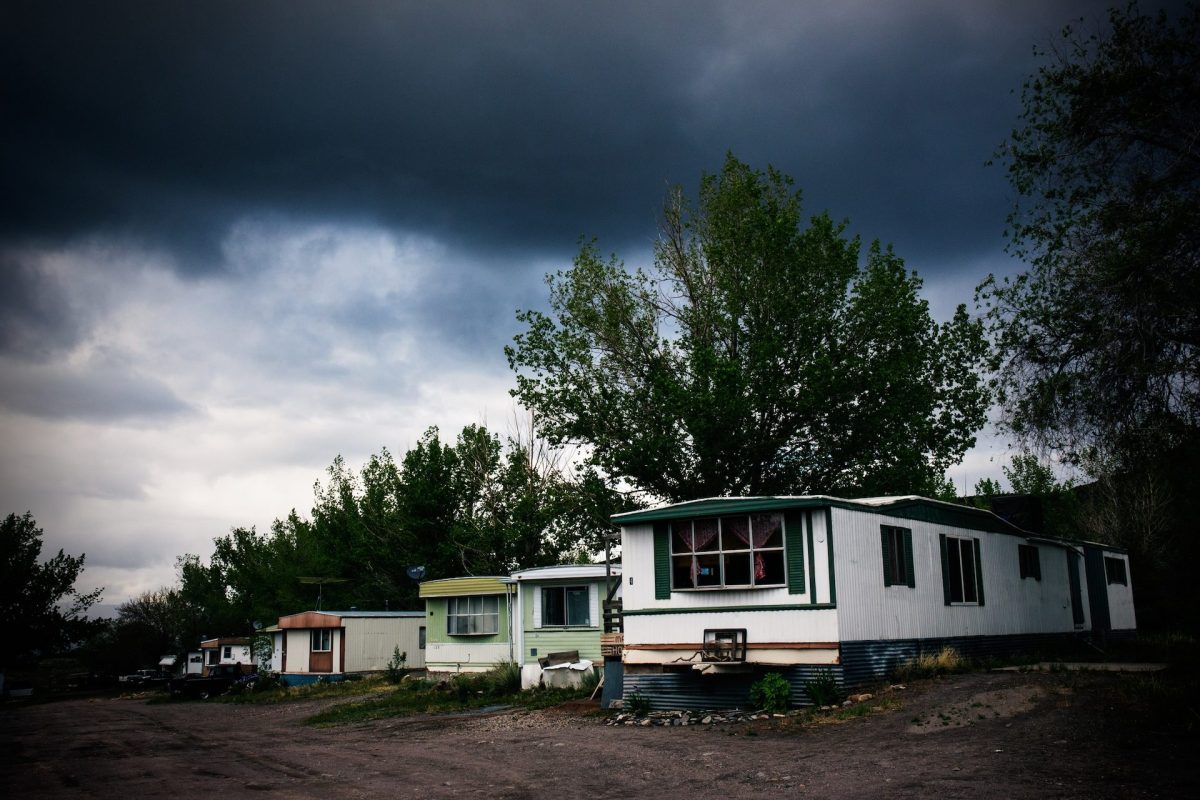
Researchers examined the relationship between a warming climate and poverty. They found that colder weather may give people a leg up in creating equitable societies.
What is causing global temperatures to rise?
Earth's climate is dynamic. In fact, NASA scientists say the planet has gone through eight ice ages and warmer periods over the last 800,000 years.
Most of this is due to natural variations in Earth's orbit affecting solar radiation levels, though cyclical patterns in the Pacific Ocean, such as El Niño and La Niña, are among the other natural phenomena also causing shifts in weather.
However, today the Earth is heating up at an unusually fast rate.
"While the Sun has played a role in past climate changes, the evidence shows the current warming cannot be explained by the Sun," NASA explained.
The agency listed four human-generated pollutants — carbon dioxide, methane, nitrous oxide, and chlorofluorocarbons, which are purely industrial in origin — as contributing to the warming problem. Gas, oil, and coal account for the bulk of the troublesome pollution.
TCD Picks » Quince Spotlight
💡These best-sellers from Quince deliver affordable, sustainable luxury for all




Why is this important?
The effects of rising global temperatures are already disrupting daily life.
Insurance premiums are soaring as weather-related disasters become more frequent, as is the cost of essentials. Farmers are struggling to turn a profit, while agricultural workers are increasingly exposed to dangerous conditions like extreme heat.
The authors of this study analyzed poverty in 130 countries over the past decade and found that poverty increased by up to 1.18 percentage points for every 1.8 degrees Fahrenheit of temperature increase.
"These poverty estimates equal a projected increase of global poor by 62.3–98.7 million people by 2030 compared with a scenario without climate change," they wrote.
|
What's the most you'd pay per month to put solar panels on your roof if there was no down payment?
Click your choice to see results and speak your mind. |
 $200 or more 💰
 How their findings could help develop climate solutions
The researchers believe their analysis is the first step toward uncovering "nuanced dynamics" that hinder economic growth and opportunity among developing countries.
That's because they also examined how climate impacted inequality, or the whole income distribution. They noted that "scant empirical evidence exists on the global impacts" of both.
However, they said this was important to investigate because "poverty and inequality are closely intertwined." They said they found some evidence suggesting that richer countries have less inequality under colder temperatures.
While complex factors — including cultural traditions, historical interactions with other peoples, and policies enacted during nation-building — influence how wealth is viewed, generated, and distributed, the findings may aid policy discussions aimed at limiting future losses from warming.

Get TCD's free newsletters for easy tips to save more, waste less, and make smarter choices — and earn up to $5,000 toward clean upgrades in TCD's exclusive Rewards Club.






