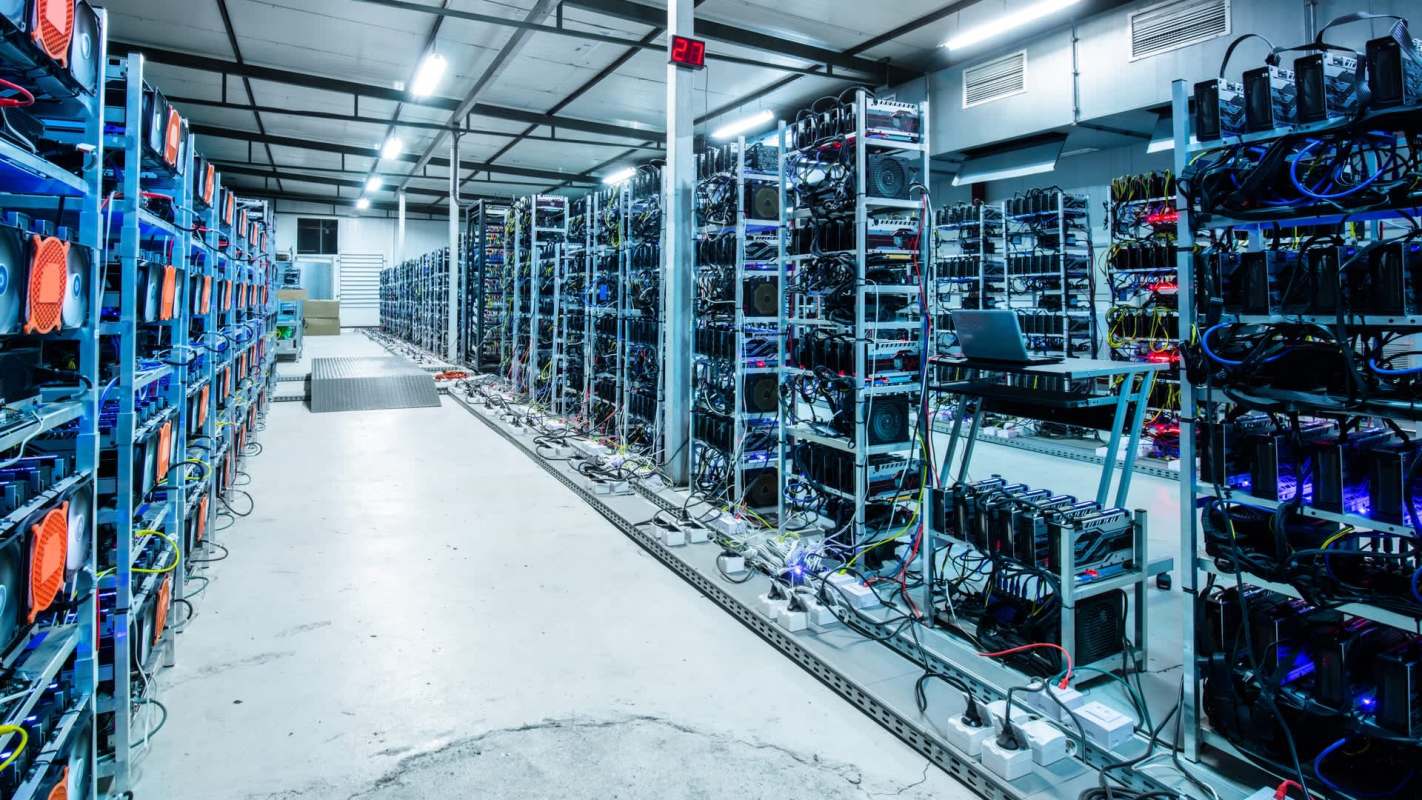
Are bitcoin miners actually energy buyers? NVIDIA CEO Jensen Huang certainly believes so.
While speaking on a panel called "The Future of AI and Energy," Huang put forth a thesis that may shed new light on crypto mining.
According to CCN, he explained bitcoin mining as "taking excess energy and storing it into a new form called currency."
One of the biggest concerns people have about cryptocurrency mining is the amount of energy required to mine a single bitcoin, let alone millions.
Crypto operations consume massive quantities of natural resources, especially electricity. In fact, one crypto transaction uses about as much electricity as six homes do in a day, according to Energy Star.
As such, these transactions can destabilize local power grids and cause power outages for nearby communities.
TCD Picks » EDF Spotlight
💡EDF's Vital Signs newsletter delivers stories about game-changing solutions close to home and around the world




Not only does this cause issues for those living near crypto mining centers, but the electricity used also releases significant pollution into the atmosphere, leading to a warmer planet and possible health problems due to decreased air quality.
However, under Huang's framing, bitcoin mining becomes a last-resort buyer of stranded energy.
Electricity is challenging to store and costly to transport, and some of the electricity generated each day goes unused. If a bitcoin miner buys that energy, though, it can be moved worldwide at near-zero cost, consumed on-site, or converted into digital currency, meaning electricity doesn't go to waste.
Additionally, crypto mining operations have increasingly acted as energy buyers. Many have agreements with local grid operators, agreeing that their operations can be shut off during peak hours in exchange for less expensive power at other times.
|
What's the most you'd pay per month to put solar panels on your roof if there was no down payment?
Click your choice to see results and speak your mind. |
 $200 or more 💰
 Some operations will turn off power during extreme weather events, like heatwaves, and sell energy back to the grid, helping to stabilize it.
While critics still point to bitcoin mining's significant energy consumption, crypto mining appears to potentially be moving toward helping stabilize grids, and, in some cases, may even reduce pollution.
The industry has the potential to benefit the environment in other ways, such as by promoting sustainability and financing renewable energy initiatives.
None of this means that crypto mining is environmentally friendly, but it may mean that the industry is far more nuanced than once believed.

Get TCD's free newsletters for easy tips to save more, waste less, and make smarter choices — and earn up to $5,000 toward clean upgrades in TCD's exclusive Rewards Club.
Cool Picks