


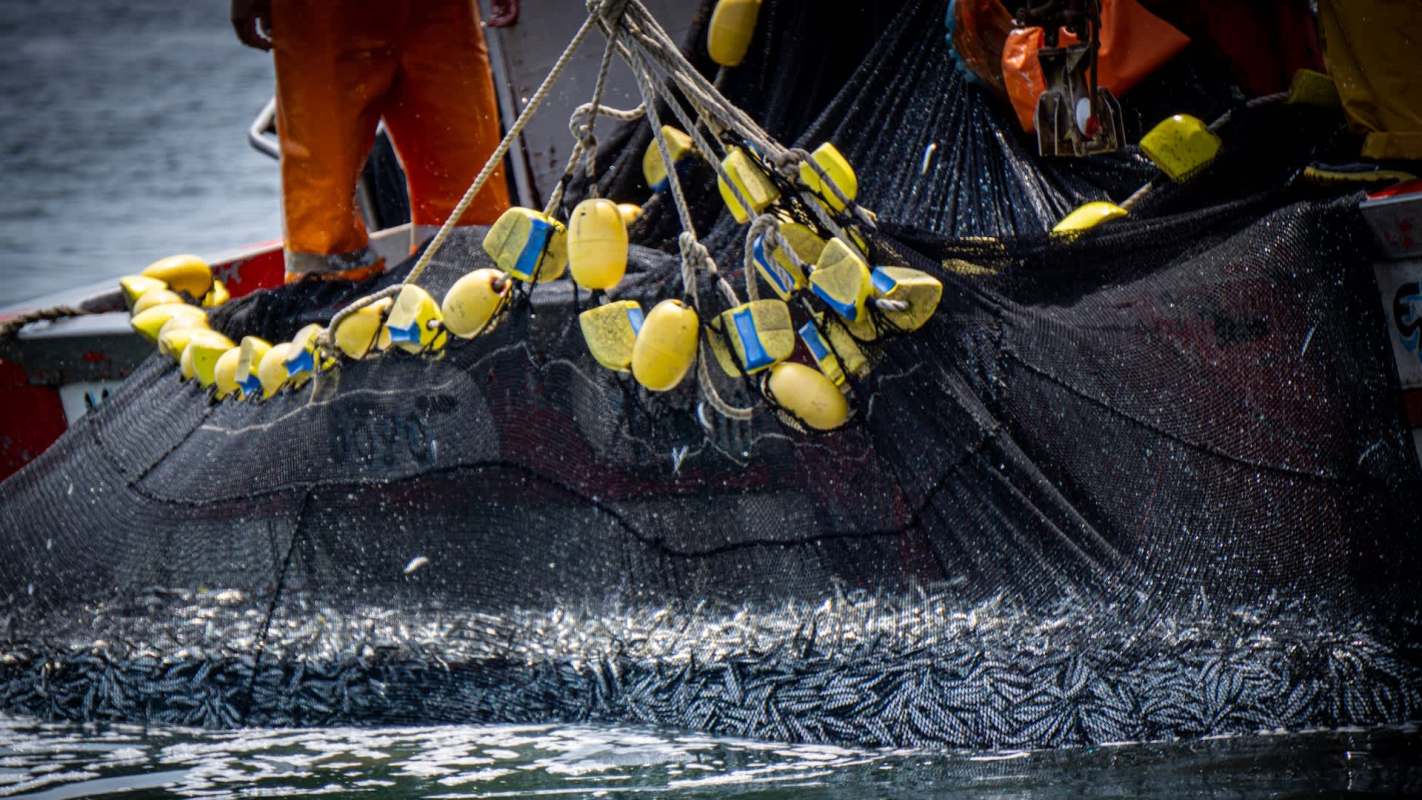
New research is showing just how much microplastics are polluting fish around the Pacific Islands.
What's happening?
A study of fish found around Fiji, Tonga, Tuvalu, and Vanuatu revealed that a third had some amount of microplastics found in them. Conditions varied wildly between islands. For example, 75% of Fijian fish were found to be contaminated, while 5% of those caught in Vanuatu contained microplastics.
"This data shatters the illusion that our remoteness offers protection," said co-author Rufino Varea of the Public Library of Science.
Researchers examined 138 different species across 900 specimens. Bottom-dwelling and reef fish were more typically contaminated, while coastal and open ocean fish had less.
Though the overall spread of microplastic contamination was high compared to global averages, the concentrations measured were relatively low.
Why are microplastics important?
Researchers were quick to point out that the health implications of microplastics in food were still inconclusive.
TCD Picks » Quince Spotlight
💡These best-sellers from Quince deliver affordable, sustainable luxury for all




"We have to accept that almost everything, whether it's table salt or beverages, people are finding plastics in all kinds of different sources," said co-author Amanda Ford, per AFP. "It's important we're not alarmist with this."
Some researchers are also still on the fence about whether microplastics definitely cause health issues. Other studies have drawn links between microplastics and gut health and fertility problems.
What's being done about microplastics?
The researchers were hoping their work could help inform new policy decisions.
"The consistent pattern of high contamination in reef-associated species across borders confirms ecological traits as key exposure predictors, while national disparities highlight the failure of current waste management systems, or lack thereof to protect even remote island ecosystems," the study authors wrote.
|
What's the most you'd pay per month to put solar panels on your roof if there was no down payment?
Click your choice to see results and speak your mind. |
 $200 or more 💰
 Some researchers are hopeful about enzymes that can eat microplastics, but large-scale deployment of solutions like these is a way off.
Ridding the world's oceans of microplastics may even be an impossible feat, but reducing the amount of plastic in your life is entirely possible. This can cut direct exposure down and reduce the amount of plastics that end up polluting waterways.

Get TCD's free newsletters for easy tips to save more, waste less, and make smarter choices — and earn up to $5,000 toward clean upgrades in TCD's exclusive Rewards Club.






