


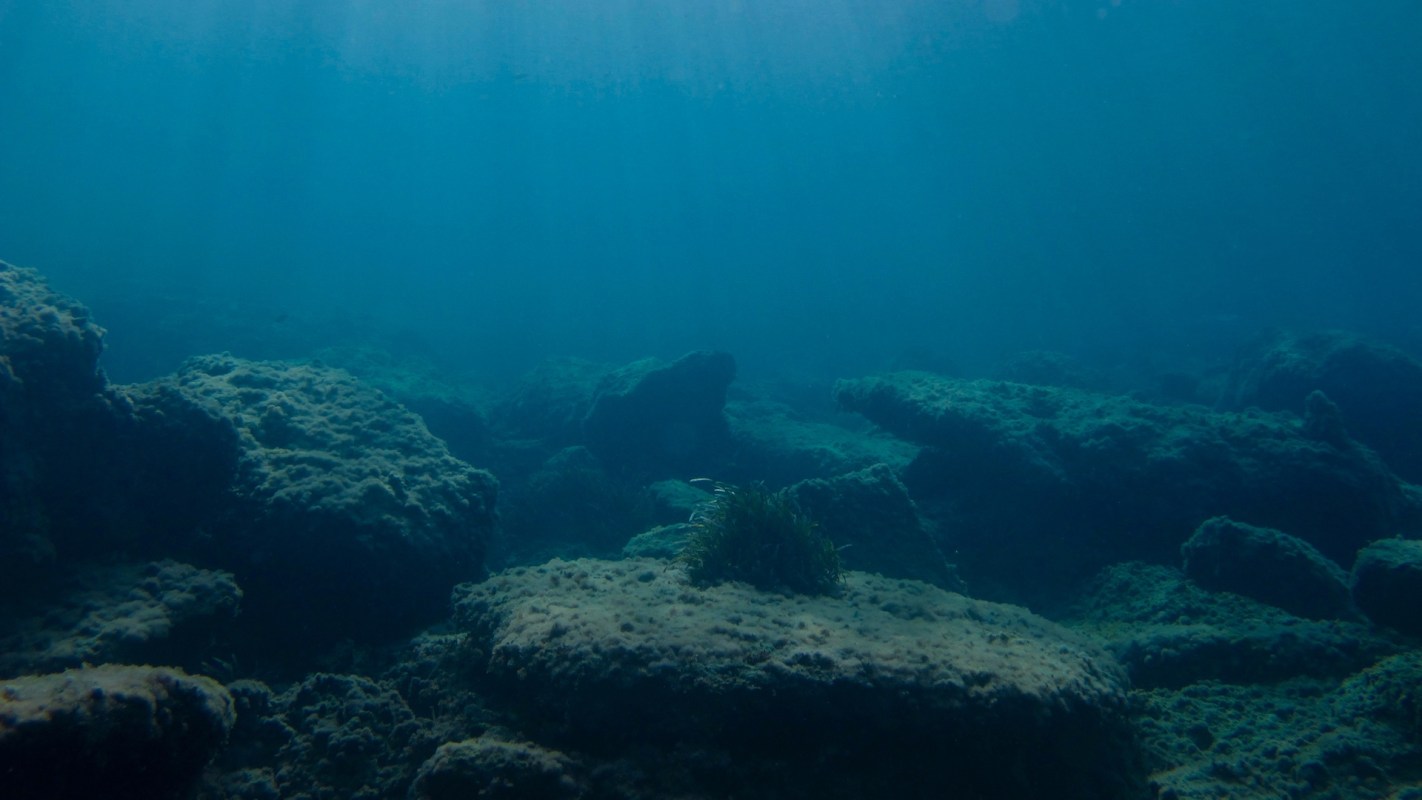
Norway made an encouraging move on December 5 by voting to ban deep-sea mining until at least 2029.
According to Mongabay, the country was previously set to begin licensing for deep-sea mining from 2026. However, the Norwegian government decided to change course due to perceived environmental risks.
Norway had previously paused the practice back in 2024, and several Norwegian deep-sea mining companies went bankrupt or shut down as a result.
As Greenpeace observed, deep-sea mining is the process of removing nodules from the sea floor that contain metals and minerals such as nickel, cobalt, and manganese.
These materials are in high demand in the production of batteries used in electronics and electric vehicles. Acquiring them requires heavy machinery that drags up sediment from the seabed and sorts through it for the valuable nodules. Mineral waste is then returned to the ocean.
It's a lucrative opportunity for companies and a less expensive way to acquire materials than extracting them from the Earth.
TCD Picks » Quince Spotlight
💡These best-sellers from Quince deliver affordable, sustainable luxury for all




However, it causes significant damage to the seafloor and disturbs crucial habitats. Meanwhile, the nodules themselves are relied upon by deep-sea creatures, and once they are removed, they cannot be replaced, as Greenpeace observed.
Avoiding disturbance to crucial ocean habitats is essential to the health of marine creatures. That's important for humans, too, as abundant and healthy fish stocks benefit local fishers and the wider food supply, securing livelihoods and keeping grocery costs down.
For example, a study from the University of Hawaiʻi at Manoa found that when an area in the Pacific Ocean underwent a pilot deep-sea mining phase, plankton there were essentially eating "junk food." In samples collected before mining activity, plankton were feeding on nutrient-rich food.
Plankton are at the bottom of the food chain, acting as the foundation for the diets of aquatic animals. If plankton are consuming less nutritious food, that can have knock-on negative effects throughout the entire ecosystem.
|
What's the most you'd pay per month to put solar panels on your roof if there was no down payment?
Click your choice to see results and speak your mind. |
 $200 or more 💰
 Truls Gulowsen, a leader at the Norwegian Society for the Conservation of Nature and Friends of the Earth Norway, told Mongabay, "With this victory, we have averted a natural disaster before it even started."
Lars Haltbrekken, a member of the Norwegian Parliament, also expressed excitement for the policy change in the Mongabay article's comments.
"I'm happy that we managed to stop it again, and I hope that we now have stopped it for good," he said.

Get TCD's free newsletters for easy tips to save more, waste less, and make smarter choices — and earn up to $5,000 toward clean upgrades in TCD's exclusive Rewards Club.






