


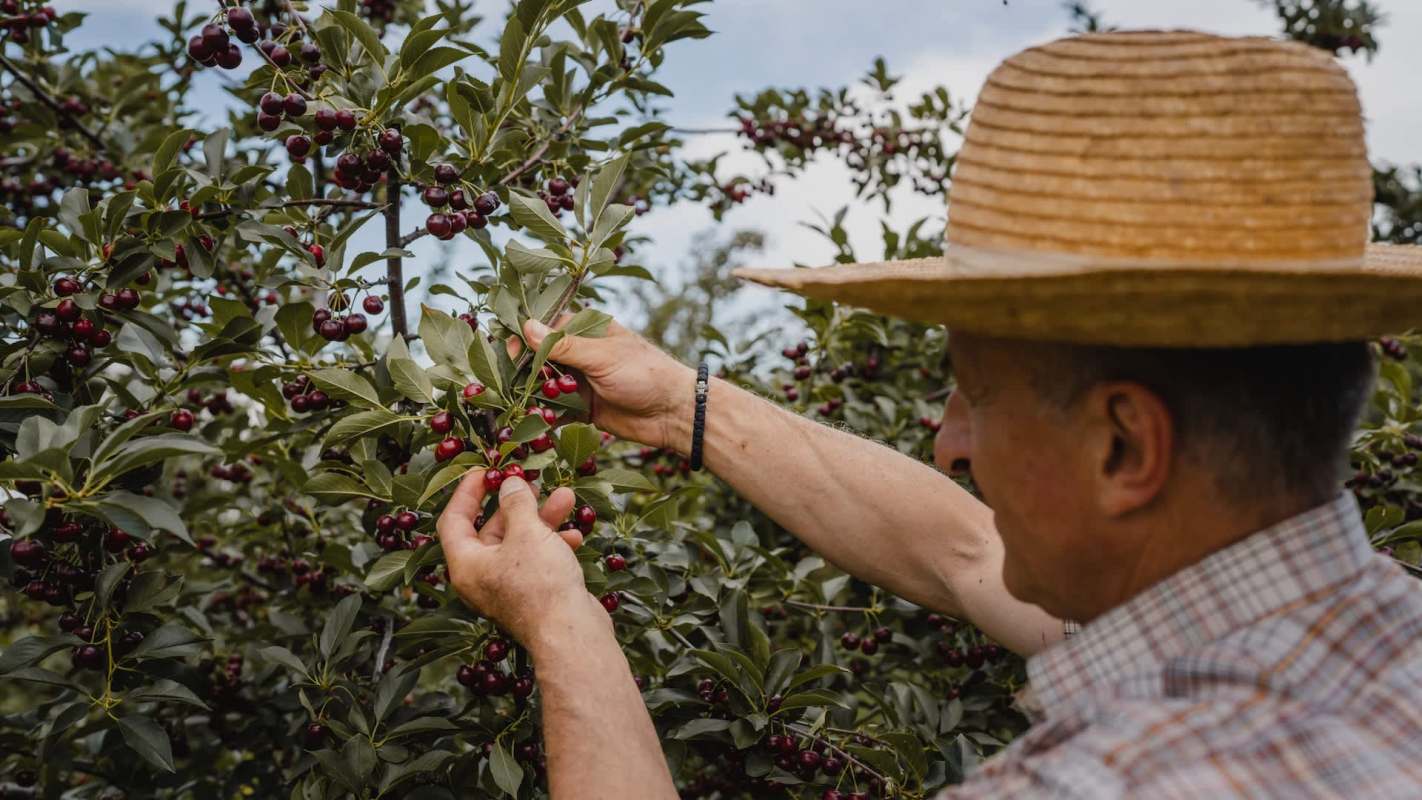
Argentine cherry growers are facing a challenging season with severe rain and hailstorms. Production and exports have fallen due to this change in climate. The damaged crop has threatened global food supplies and farmers' livelihoods.
What's happening?
Eurofruit reported that poor weather caused Argentine cherry shipments in the last quarter of 2025 to hit a low.
Planet protection agency SENASA confirmed that cherry shipments totaled 3,760 tonnes (over 4,100 tons). This is a 38% decrease from last year and 19% below the five-year average.
The "sector [is] on course for its worst season since 2019," per the report.
Growers projected good-quality crops to exceed last year's totals.
According to Eurofruit, rain and hailstorms damaged "the main producing areas" instead. Much of the crop went to the domestic market.
TCD Picks » Quince Spotlight
💡These best-sellers from Quince deliver affordable, sustainable luxury for all




Shifts in export markets are also happening in the 2025/26 season. Despite the drop in volumes, the U.S. is becoming the top destination (36%), while China's share fell (26%).
Why is this cherry crop loss concerning?
Bad weather in Argentine cherry production indicates how an overheating planet impacts crops. Farming communities and importing countries rely on crops for food and to support their economies.
Frequent extreme weather events, which have been increasing, damage agricultural yields. Financial losses for farmers ensue, jeopardizing their ability to sustain their operations. Reduced harvests leave consumers with less supply in international markets. Scarcity in fruits such as cherries could also lead to higher prices.
Disrupted food systems, driven by unpredictable weather, foreground a changing climate.
|
What's the most you'd pay per month to put solar panels on your roof if there was no down payment?
Click your choice to see results and speak your mind. |
 $200 or more 💰
 More expensive groceries and reduced availability of fresh produce are consequences of this. Food supply chains can be fragile as weather events cause downturns across continents.
Climate-related threats to a stable and affordable food supply are local and global.
What's being done about drops in crop seasons due to adverse weather?
The agricultural sector is focusing on strategies to build resilience against extreme weather.
Infrastructure investments such as anti-hail netting and improved drainage systems can protect crops. Developing climate-resilient crop varieties and adopting adaptive farming techniques are also crucial steps.
Reducing planet-warming pollution from coal, gas, and oil is essential. Doing so stabilizes global temperatures and mitigates extreme weather events that ruin agriculture.
Consumers can support policies that advocate for sustainable agriculture and climate action. Understanding the critical climate issues at hand helps find the right solutions.
The current cherry season in Argentina has its setbacks. Climate-based farming practices offer hope for a future with more stable food production.

Get TCD's free newsletters for easy tips to save more, waste less, and make smarter choices — and earn up to $5,000 toward clean upgrades in TCD's exclusive Rewards Club.







