


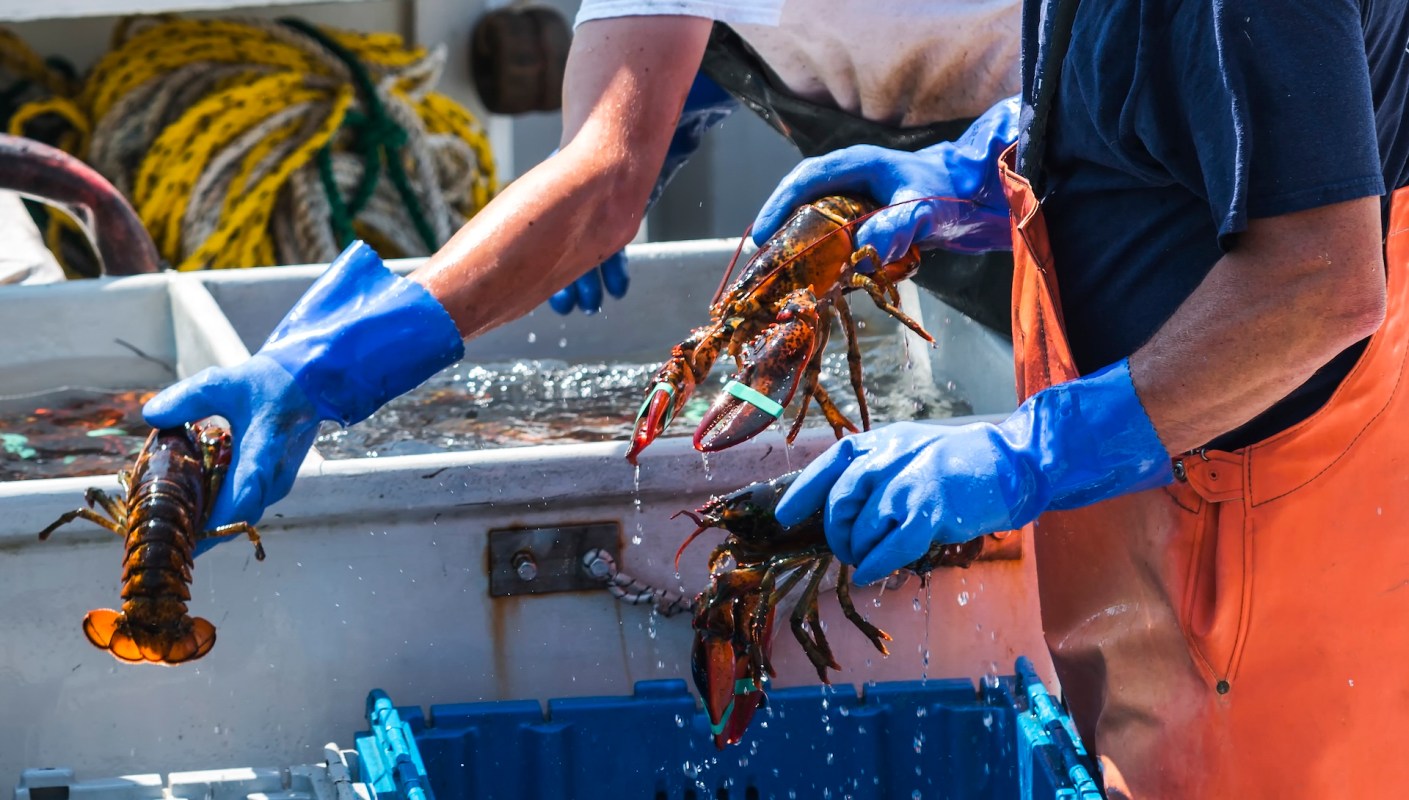
The nonprofit financial think tank Planet Tracker released a new report on the impacts of extreme weather on the seafood industry, which concluded that failing to adapt could cost billions, as Seafood Source reported.
How are rising temperatures disrupting the seafood industry?
The report found that if the seafood industry and society in general don't take substantial action to reduce the risks of rising temperatures, it could cost $15 billion annually by 2050 due to higher ocean temperatures, rising sea levels, acidification, and low oxygen levels.
Depending on pollution levels, fish stocks could decline by up to 21% by 2100, which will impact seafood companies, investors, and the broader economy.
The new report, titled "Catch It Like It's Hot," explained how a rise in atmospheric pollution directly affects the seafood industry through factors like shifting currents, delayed spawning, greater disease risk, and higher frequency of algal blooms and marine heatwaves.
In turn, supply chains are affected, infrastructure damage increases, assets are stranded, revenue drops, and more companies close.
These disruptions threaten the economy and society, posing risks to food security, employment, government revenue from fishing, and consumer purchasing power. The effects later cascade through the financial system, impacting banks, insurers, and asset managers.
TCD Picks » Quince Spotlight
💡These best-sellers from Quince deliver affordable, sustainable luxury for all




Why is this concerning?
The report, funded by the Walton Family Foundation, explained that extreme weather, sea-level rise, ocean warming, and other factors have already reduced production in the seafood industry and increased costs.
For example, the waters around the United Kingdom are becoming too warm for cod, pushing them further north and forcing fishers to target different species. In the Baltic Sea and along the West Coast of the United States, algal blooms are increasing, leading to the collapse of vital fisheries such as salmon, herring, eastern Baltic cod, and crab.
These events have resulted in economic losses of nearly $50 million and have required government bailouts totaling several million in Europe.
The increasing frequency of natural disasters, such as hurricanes, is resulting in significant infrastructure damage and revenue losses in the seafood industry, particularly in vulnerable states like Louisiana.
|
How concerned are you about the plastic waste in our oceans? Click your choice to see results and speak your mind. |
 Extremely 😫
 Seafood Source noted that while hurricane-related losses in the state totaled $570 million in 2020 and 2021, disaster relief allocated by the National Oceanic and Atmospheric Administration was only $27 million, underscoring the difficulty of recovering from such weather events.
"The impact of the climate crisis on the seafood industry is exacerbated by the misalignment of much of the seafood industry with the ecological realities it relies on," the report explained. "The seafood industry must step up and channel capital into robust climate adaptation measures. Current investment levels remain very limited."
How can the seafood industry adapt?
The report's authors added that "adaptation is not optional," as the cost of inaction far exceeds that of taking proactive steps to protect communities and fisheries from the impacts of extreme weather.
For example, research by the University of Cambridge ClimaTraces Lab and Boston Consulting Group found that if the planet warms by over 5 degrees Fahrenheit by 2100, economic output could decline by 15% to 34%.
But investing just 1-2% of global GDP in climate adaptation and mitigation by then would keep warming below 3.6 degrees Fahrenheit — a key target set by the Paris Agreement — protecting economies and society from the worst impacts of global heating.
The Planet Tracker report urged decision-makers in the seafood industry to collaborate with scientists and policymakers to assess the potential financial impacts of rising temperatures on business operations, incorporate more nature-based solutions, and invest in additional adaptation measures.

Get TCD's free newsletters for easy tips to save more, waste less, and make smarter choices — and earn up to $5,000 toward clean upgrades in TCD's exclusive Rewards Club.







