


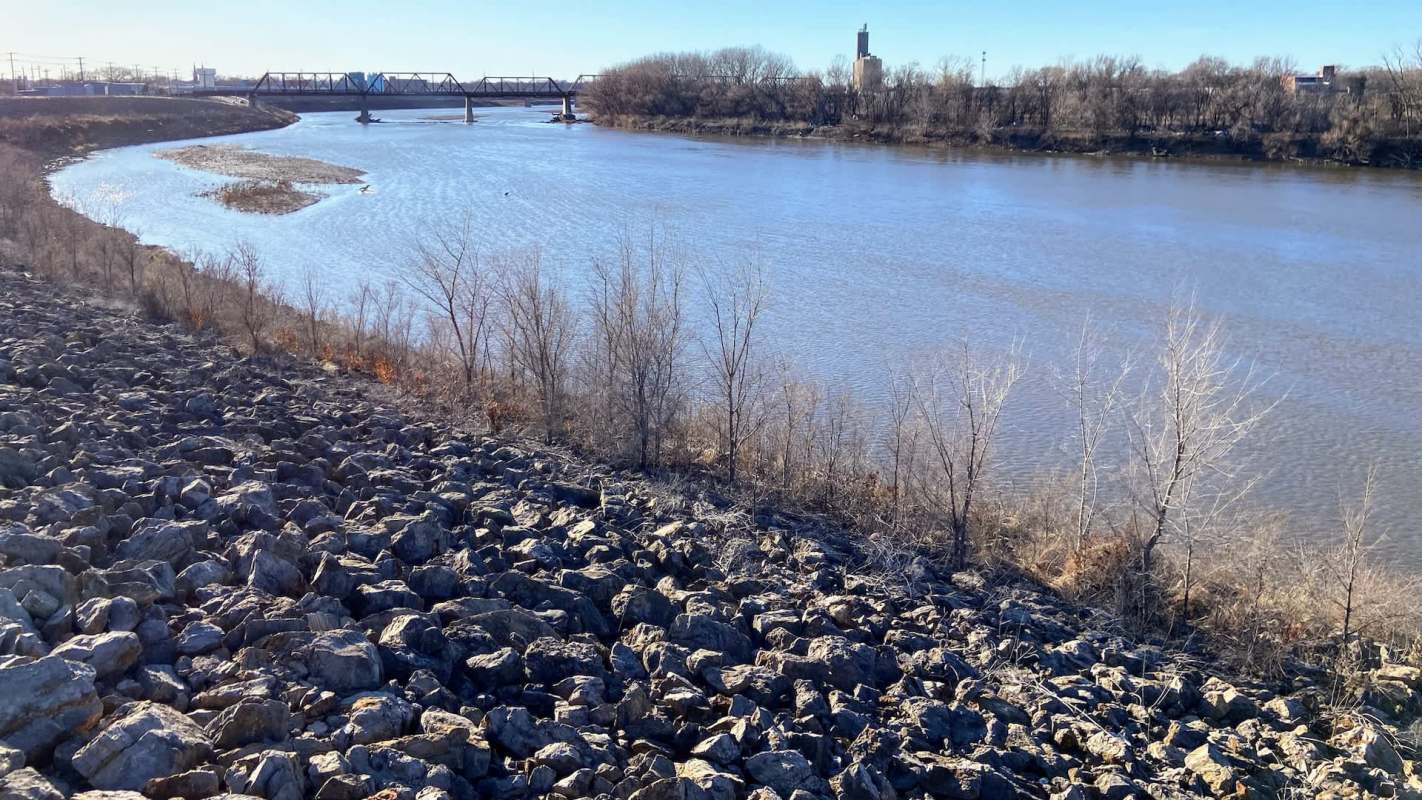
Wildlife workers have removed more than 100,000 pounds of invasive carp from the Kansas River over the past four years — and 2025 was the most productive year yet.
KSNT reported that biologists with the Kansas Department of Wildlife and Parks are making progress on attempts to protect one of the state's critical water sources from invasive carp. Last year, they pulled 36,863 pounds of invasive carp from the Kansas River.
The species in question hail from Asia and were brought to the U.S. in the 1970s for aquaculture, according to KDWP. However, the carp didn't remain confined to aquaculture facilities. Instead, they made their way into Midwestern rivers and streams.
While not all newly introduced species become invasive, Asian carp proved to be a major problem. Three different species have taken hold in Kansas — silver, black, and bighead — and they can consume up to 40% of their bodyweight every day.
The carp quickly began to outcompete native species for resources, throwing the local ecosystem out of balance. Silver carp are also a unique threat to people enjoying recreational activities on the water because they may leap when disturbed and cause physical injury.
In fact, Asian carp species pose such a threat to the country's economic well-being and recreational spaces that the U.S. Fish and Wildlife Service released nearly $19 million over the summer to partners across 18 states within the Mississippi River basin.
TCD Picks » Quince Spotlight
💡These best-sellers from Quince deliver affordable, sustainable luxury for all




Already, efforts are underway to manage, contain, and remove invasive carp from U.S. waters. In Arkansas, for example, a project aims to create a sustainable fishing industry and promote the invasive fish as a delicacy, as they are considered in native countries. The latest funds will be used to further support invasive carp management, containment, and removal.
You can do your part to support healthy ecosystems by cultivating native plants in your own backyard. Even a partial lawn replacement with a low-maintenance option, such as clover or buffalo grass, will help. As more than one homeowner can attest to, invasive species are an expensive hassle and can take years of hard work to root out.
In the meantime, KDWP invasive carp biologist Liam Odell is optimistic that the state's efforts and new removal methods are helping to restore Kansas waters to a more pristine and balanced state. "These removal efforts appear to have produced positive effects in Kansas waterways and for native species," Odell told KSNT.
KDWP has also invited everyone to be part of the solution on the water. It asks residents to clean, drain, and dry equipment that comes into contact with water to stop aquatic hitchhikers. Other recommended actions include purchasing bait from certified bait dealers.
|
Do you think America does a good job of protecting its natural beauty? Click your choice to see results and speak your mind. |
 Definitely 👍
Get TCD's free newsletters for easy tips to save more, waste less, and make smarter choices — and earn up to $5,000 toward clean upgrades in TCD's exclusive Rewards Club.







