
It isn't your imagination. Things really don't last as long as they used to.
More and more companies engage in a business strategy known as forced obsolescence. With this strategy, companies intentionally design items to become unusable after a set period, forcing consumers to purchase replacements.
One Redditor took to the r/mildlyinfuriating subreddit to share their frustration that LED light bulbs now last no longer than two years and lament the amount of e-waste this creates.
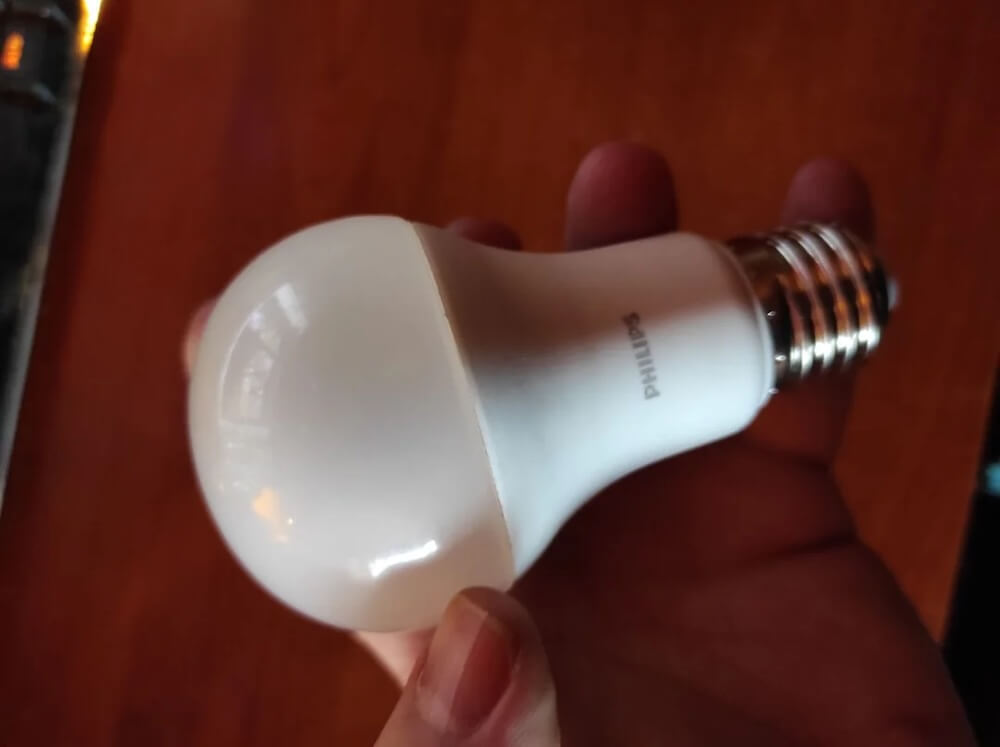
They posted a photo of the light bulb in question and explained that they had bought LED bulbs 10 years ago that lasted seven years, but they had recently found that bulbs needed replacing much faster, typically within two years.
Fellow Reddit users chimed in with their thoughts on how quickly they go through light bulbs, and it seemed no one was happy.
"I've tried branded ones to supermarkets own brand, all the same experience. All the quoted 100,000 hours or whatever is [nonsense," one person groused.
TCD Picks » Good Store Spotlight
Get 10% off your next purchase with code TCD10


The original poster replied, "I'm going to save the warranty and even the damned box of the bulb and hold them accountable."
Forced obsolescence is a burden on consumers, as it requires them to constantly buy new things to replace those that no longer work.
Whether this obsolescence comes in the form of companies discontinuing support for apps and products or requiring items to be intentionally broken before a warranty kicks in, it means a significant amount of money down the drain and a steady stream of e-waste.
E-waste, such as light bulbs and lithium batteries, is particularly problematic, as much of it is not recycled. This results in billions of dollars' worth of valuable materials, such as rare earth metals and copper, being lost annually, while the original labor and production that went into mining these elements are wasted.
|
Should companies be required to help recycle their own products?
Click your choice to see results and speak your mind. |
 Definitely 👍
 Additionally, all that e-waste poses a public health hazard, as it contains toxic substances and chemicals that leach into our environment. Once exposed to these substances, people are more at risk for significant chronic and long-term health issues.
It's all enough to make one say, as the original poster did, "I'm just happy it's almost time to eat the rich."

Get TCD's free newsletters for easy tips to save more, waste less, and make smarter choices — and earn up to $5,000 toward clean upgrades in TCD's exclusive Rewards Club.