


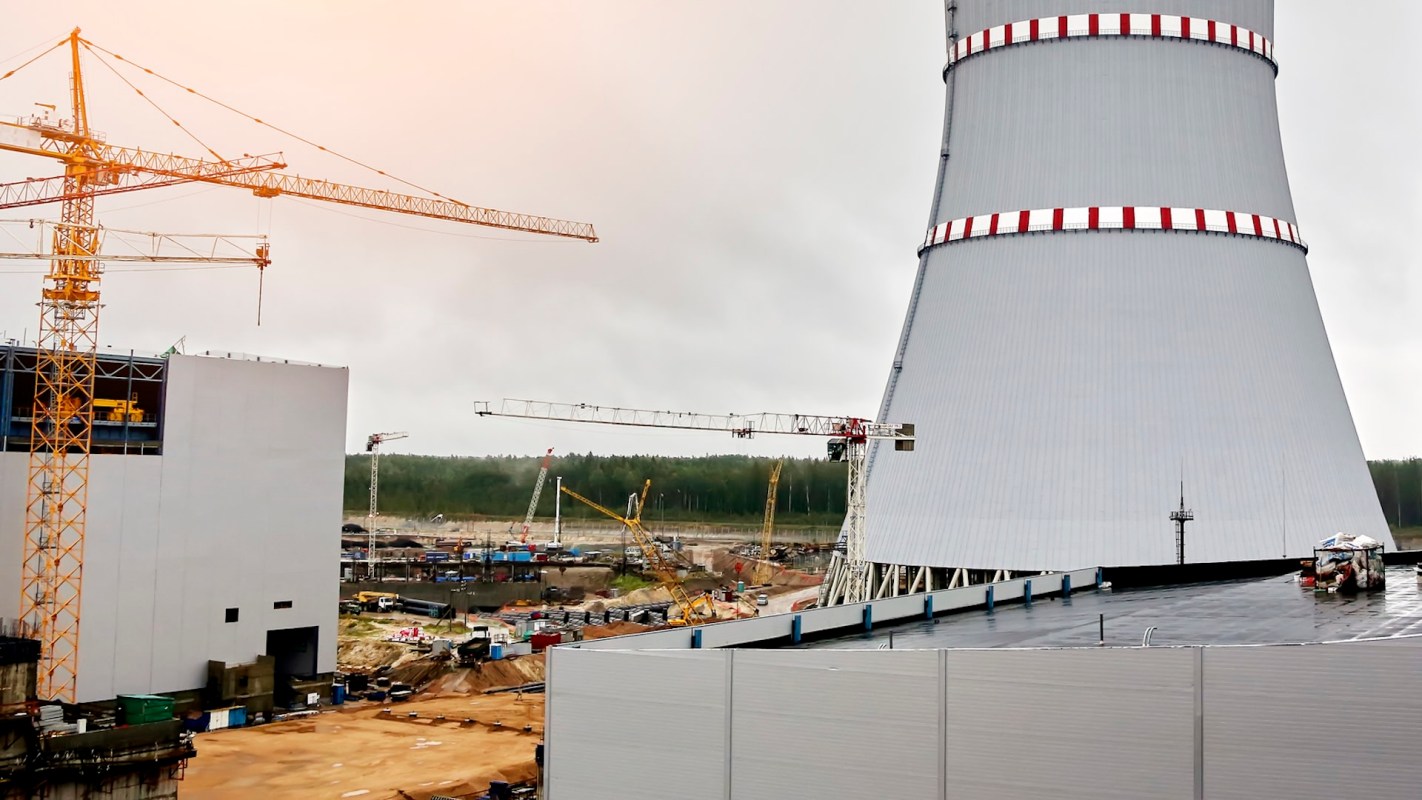
Poland's first-ever nuclear power plant is still years away from producing electricity, but a new report is already raising concerns about whether the project could spiral beyond its original budget.
What's happening?
According to a report by the Polish Economic Institute, early warning signs are showing for Poland's first nuclear facility, where construction was scheduled to begin at the end of 2025. While the government hopes the plant will strengthen energy security and reduce reliance on coal, the report cautions that delays could cause massive cost overruns before any energy is generated (via TVP World).
The project, which will use three reactors supplied by Westinghouse and built with engineering firm Bechtel, was expected to deliver its first power by 2033. That timeline has been updated to 2036. The institute warned that late-stage delays are especially expensive, estimating that each one-month delay near completion could cost 431-667 million złoty ($119-184 million) due to lost electricity revenue and mounting interest payments.
The report draws on recent European examples, including France's Flamanville 3, Finland's Olkiluoto 3, and the United Kingdom's Hinkley Point C — all of which ran years late and ballooned far beyond their original budgets.
"Experience from Western countries shows that the total cost of building a nuclear power plant exceeds the initial estimates by between two and even five times," PIE wrote.
Why is Poland's nuclear project concerning?
For Poland, this plant could be a great thing. Nuclear energy can provide large amounts of low-pollution electricity and help stabilize the grid as coal is phased out. But, in addition to concerns over radioactive waste and safety, nuclear projects also carry high financial risks.
TCD Picks » Quince Spotlight
💡These best-sellers from Quince deliver affordable, sustainable luxury for all




PIE identified four major pressure points: global shortages of key reactor components, a lack of domestic nuclear expertise and skilled labor, high financing costs and rising interest rates, and the risk that future political shifts could disrupt long-term support for the project. Together, these factors could turn modest delays into multibillion-dollar overages — costs that ultimately fall on taxpayers or consumers using the electricity.
What's being done about it?
The report doesn't argue against nuclear power. Instead, it urges Poland to slow down before speeding up. It recommended finalizing reactor designs before beginning construction, locking in reliable suppliers early, investing heavily in workforce training, and securing low-cost financing as soon as possible.
If those steps are taken seriously, the institute suggested Poland could still avoid the worst-case scenarios that have occurred elsewhere. But for first-time nuclear builders, the most expensive mistakes often happen before concrete is ever poured, according to this report.
|
Would you feel safe living close to a nuclear power plant? Click your choice to see results and speak your mind. |
 Absolutely ✅
Get TCD's free newsletters for easy tips to save more, waste less, and make smarter choices — and earn up to $5,000 toward clean upgrades in TCD's exclusive Rewards Club.






