


South Africa's Drakenstein Municipality could become the country's first local government to ban single-use plastics, according to Infrastructure News.
The proposed Integrated Waste Management by-law would target plastic shopping bags, straws, stirring implements, and polystyrene-based products. Public comments on the draft remained open until Nov. 30, 2025, with Council approval expected by February of this year.
"Drakenstein Municipality is taking a bold step towards a more sustainable future for everyone who calls this valley home," said Councillor Stephen Korabie, Executive Mayor of the Municipality, per the article.
The ban would directly benefit residents by reducing the plastic-related toxins that enter food and water supplies. Microplastics from single-use items break down in waterways and soil, eventually making their way into human bodies via drinking water and seafood.
Louis Pienaar, executive director of Engineering Services, noted that the municipality is facing ongoing issues with discarded single-use plastic products, which are damaging the area's appearance and creating breeding grounds for disease-carrying pests.
"We support the shift from a culture of constantly buying new products to embracing a lifestyle of reuse," Pienaar explained, per Infrastructure News.
TCD Picks » Quince Spotlight
💡These best-sellers from Quince deliver affordable, sustainable luxury for all




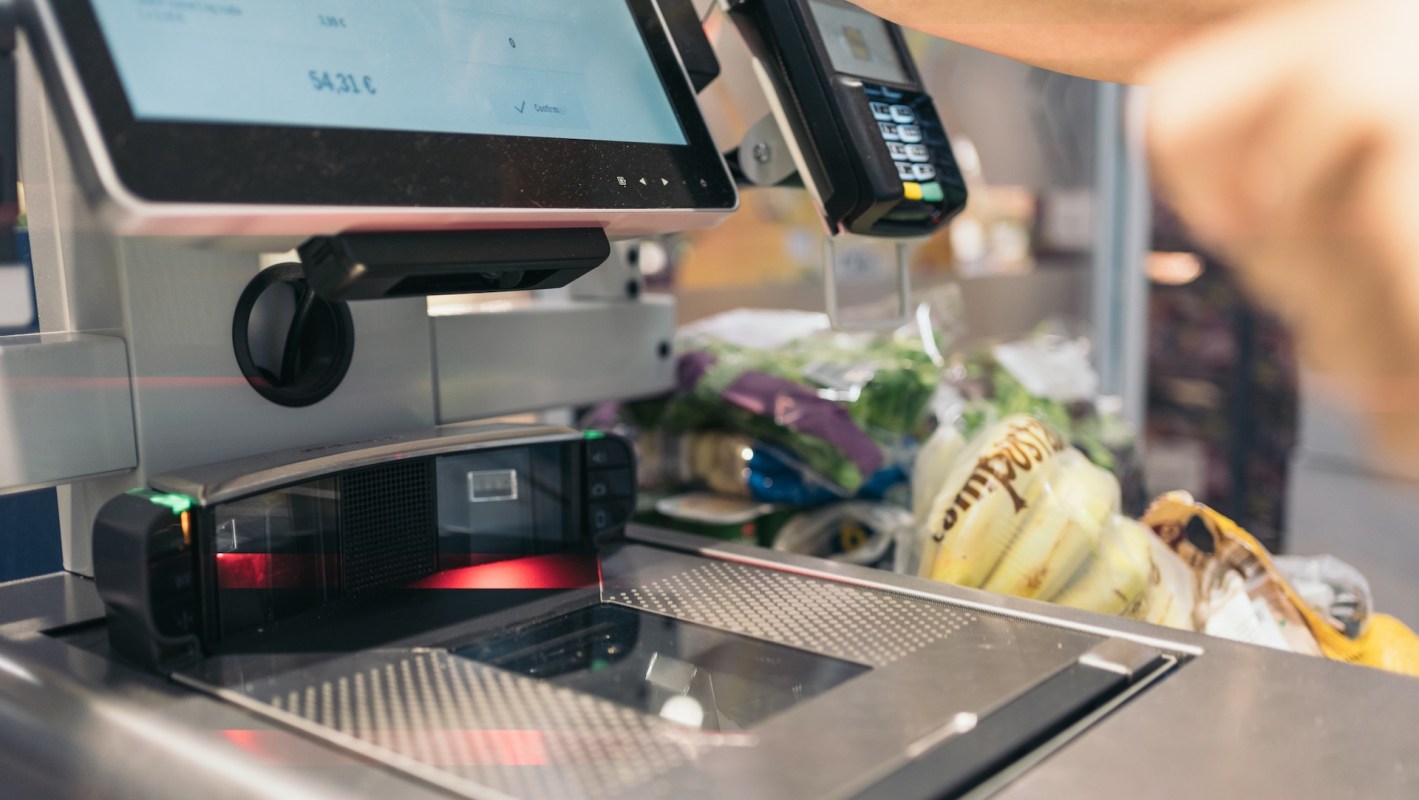
The municipality is taking a phased approach that prioritizes education and partnership over immediate penalties regarding the measure. Stores will transition to offering reusable bags meeting thickness standards of at least 30 microns (around 0.03 millimeters) or switching to compostable materials.
Food service businesses will adopt alternative straws made from biodegradable materials, glass, or metal. Officials plan to collaborate with local establishments during the adjustment period, rather than levying immediate fines.
The initiative also calls for channeling recyclable waste to informal waste collectors at the Paarl Refuse Transfer Station, creating potential income opportunities for local entrepreneurs. The municipality recently completed Phase One of an organic food waste diversion project at an estimated cost of 8 million rand, or around $440,000.
Business chamber members who attended informational workshops have overwhelmingly backed the proposal, per the article. Residents will be able to give verbal comments at the Paarl Library, ensuring that everyone can participate in shaping the new policy.
"By reducing our reliance on single-use plastics such as straws, polystyrene items and plastic stirrers, we are protecting our environment and securing a cleaner future for future generations," Korabie said, per Infrastructure News.
|
What's the most you'd pay per month to put solar panels on your roof if there was no down payment?
Click your choice to see results and speak your mind. |
 $200 or more 💰
Get TCD's free newsletters for easy tips to save more, waste less, and make smarter choices — and earn up to $5,000 toward clean upgrades in TCD's exclusive Rewards Club.






