


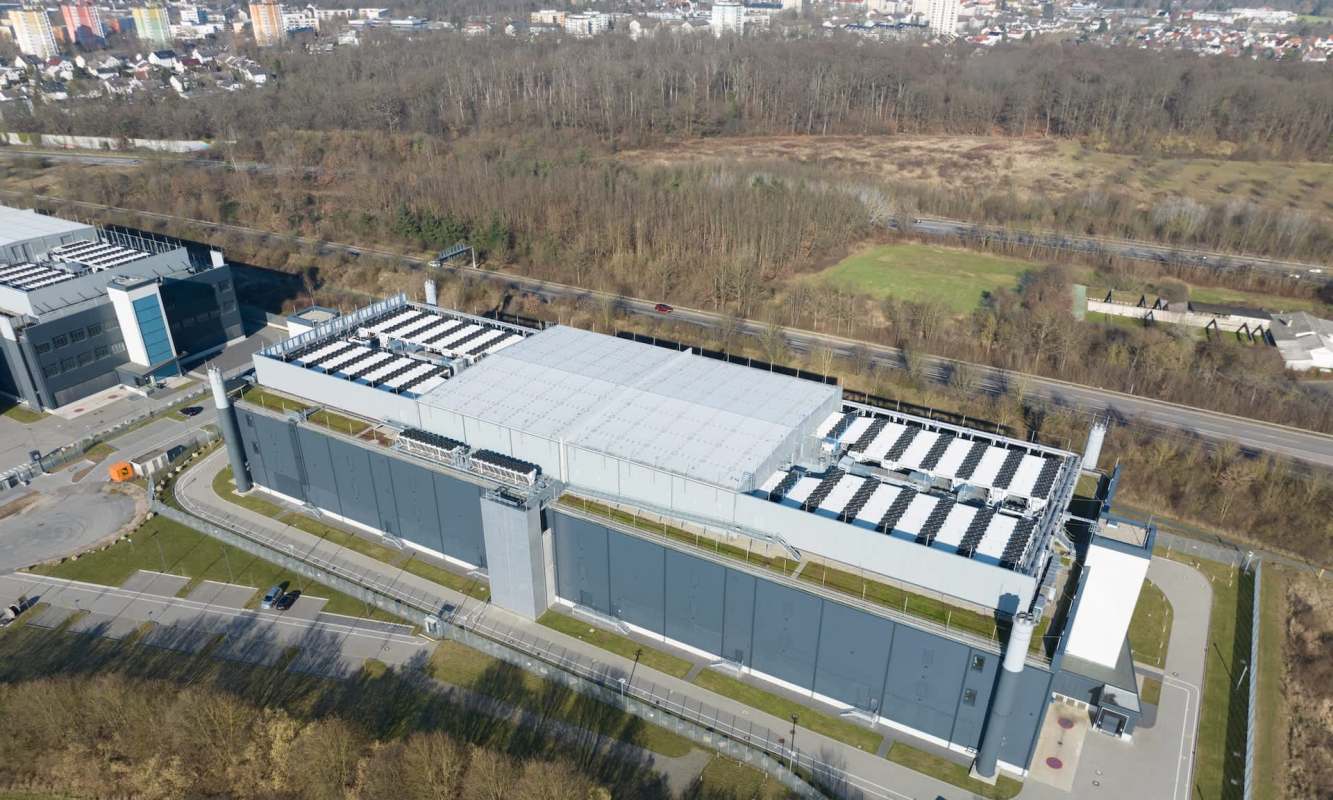
The data center boom wasn't quite as loud in 2025 as it was in 2024, Gizmodo reported, citing a new, in-depth analysis by Heatmap News.
Artificial intelligence and all it entails dominated news and culture last year, but data center opposition became exceedingly prominent in the second half of the year.
AI tools are resource-intensive, requiring significant processing power to answer ChatGPT queries or generate lifelike images and videos. As tech firms began cramming AI functionality into everything, facilities to power the technology began cropping up across the United States.
Overall, the rise of AI is occurring at a breakneck speed, but it didn't take long for data centers to become a point of contention in communities across the country. Initially, complaints about their disruptive noise and air pollution were commonplace.
But data centers also rely heavily on public resources, such as power and water, the latter of which is necessary to cool rows upon rows of servers.
In April, the Guardian uncovered tech firms' plans to construct data centers in exceptionally arid regions, potentially increasing locals' risk of water scarcity. As for power, the demand generated by data centers has wreaked havoc on energy costs in the United States.
TCD Picks » Quince Spotlight
💡These best-sellers from Quince deliver affordable, sustainable luxury for all




Throughout last year, electric bills continued to climb sharply, and ratepayers in several states have been subsidizing these costs. On average, electricity costs ticked up 13% in 2025, with increases reaching 36.3% in some places.
In mid-2025, Data Center Watch identified an interesting trend: Community pushback over a three-month period blocked or delayed $98 billion worth of data center development, signaling a groundswell of opposition to additional facilities.
According to Gizmodo, Heatmap News' newest analysis showed sustained resistance to data center construction beyond the first three months of the year. No fewer than 25 planned projects were fully canceled last year, solely because communities came together to resist them.
In all, the data centers that weren't built "would have accounted for at least 4.7 gigawatts of electricity demand" had they gone into service, further straining an overworked grid.
|
What's the most you'd pay per month to put solar panels on your roof if there was no down payment?
Click your choice to see results and speak your mind. |
 $200 or more 💰
 As the outlet conceded, little more than two dozen canceled data centers might not sound like a colossal win for communities at first glance.
But Gizmodo noted that only six similar projects were abandoned in 2024, up from two in 2023. More striking was the fact that of 25 cancellations, 21 occurred "in the second half of the year."
One commenter asserted that the number of canceled data centers represented an incomplete figure "without knowing how many were planned" in the first place, although it might not be possible to meaningfully determine an exact number of ongoing data center projects.
However, the concentration of canceled data centers in the third and fourth quarters appeared to be a data point of its own, indicating a sudden and sustained shift in public opinion. Another commenter on Gizmodo, perhaps a realtor, had a different view of the findings.
"I see an opportunity for municipalities that have successfully fended off DCs [data centers] using that fact to market that fact to attract new residents," they replied.

Get TCD's free newsletters for easy tips to save more, waste less, and make smarter choices — and earn up to $5,000 toward clean upgrades in TCD's exclusive Rewards Club.






