


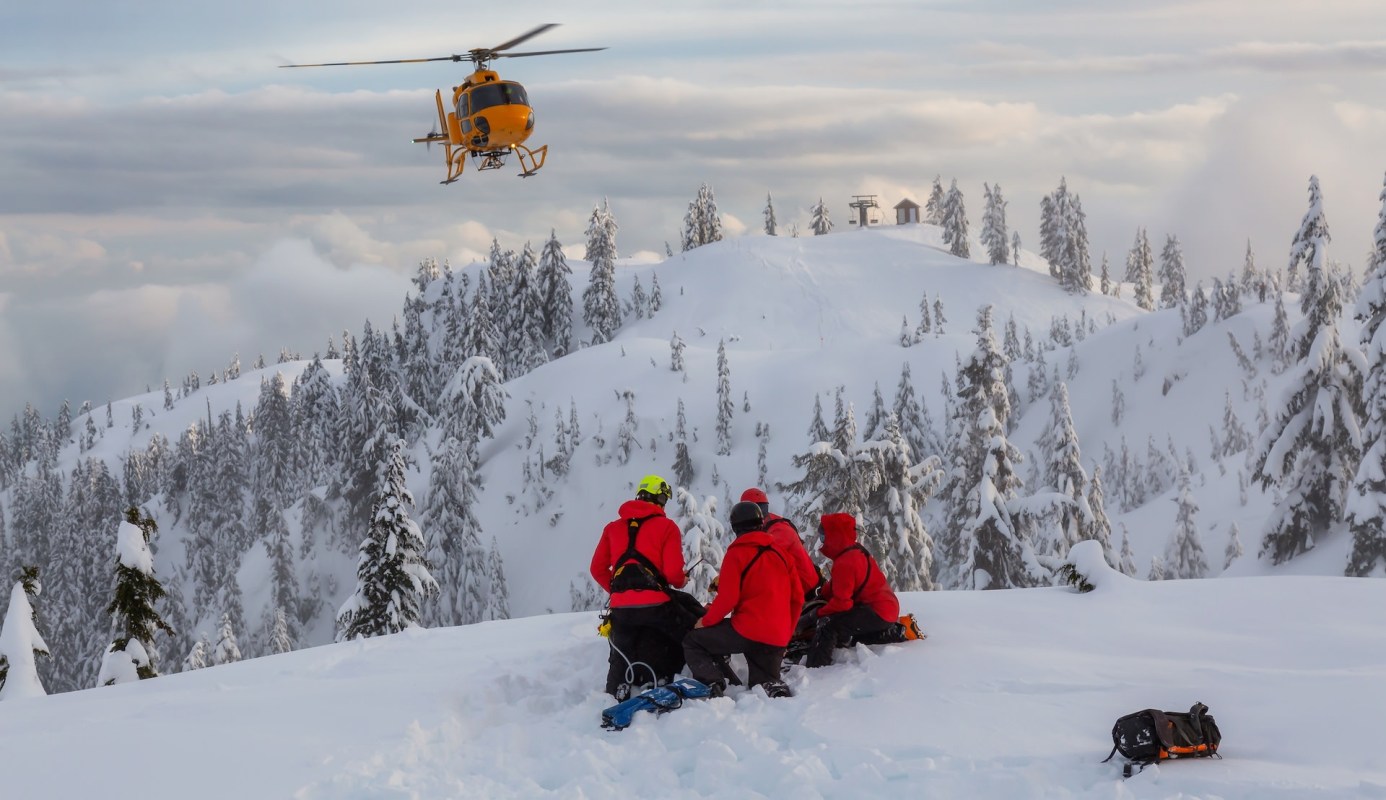
A saga in the Italian Alps revealed how AI may one day become a game-changer for rescue missions in remote areas of the world.
The BBC reported on how an experienced Italian climber's body was discovered in short order after a fruitless search months before. While the vast range of territory proved too big a challenge for helicopters and on-foot rescuers after the initial disappearance, AI made a massive difference in tracking down the man once the search resumed.
The story begins with 66-year-old Nicola Ivaldo disappearing during a solo hike in September 2024. His last known location was near the Cottian Alps in Italy, which was identified through a mobile network connection. Despite early search efforts, Ivaldo was not found, and the search was halted due to adverse weather.
When the snow melted in July 2025, the search was back on. Drone pilots used the months in the meantime to practice and better understand the mountainous area. Armed with that expertise, drones captured a large number of photos from areas that were inaccessible to helicopters.
AI was used to highlight potential areas of interest, greatly cutting down the time of the arduous process of picking out anomalies. Humans still play a critical role in working through AI's false positives, like litter, AI hallucinations, or unusual natural features.
Eventually, a red helmet captured by the drones and spotted by the AI led the rescue team to Ivaldo's body. While it was too late for the climber, it's easy to see how this emerging tech could save lives in the future.
TCD Picks » Quince Spotlight
💡These best-sellers from Quince deliver affordable, sustainable luxury for all




Using AI for rescue missions does come with some ethical challenges, as Daniele Giordan, a leader at the Italian Research Institute for Geo-Hydrological Protection, noted.
"Once you acquire aerial images, you have a responsibility for how to use them," Giordan told the BBC. "Identifying human shapes in images could be a legal problem."
The technology also has limitations in different terrains, like forests, and its algorithm doesn't always sift through images properly. There are also the environmental concerns of AI.
Its integration presents challenges like high energy and water consumption, with ripple effects like soaring energy bills. That creates a tricky balance between leveraging AI for societal progress and addressing its potential drawbacks.
Still, it's hard to ignore AI's potential in weather forecasting, rescue operations, and conservation.
When it comes to search-and-rescue, it could be the difference between life and death.
|
Do you think we still have a lot to learn from ancient cultures? Click your choice to see results and speak your mind. |
 Definitely 👍
Get TCD's free newsletters for easy tips to save more, waste less, and make smarter choices — and earn up to $5,000 toward clean upgrades in TCD's exclusive Rewards Club.






