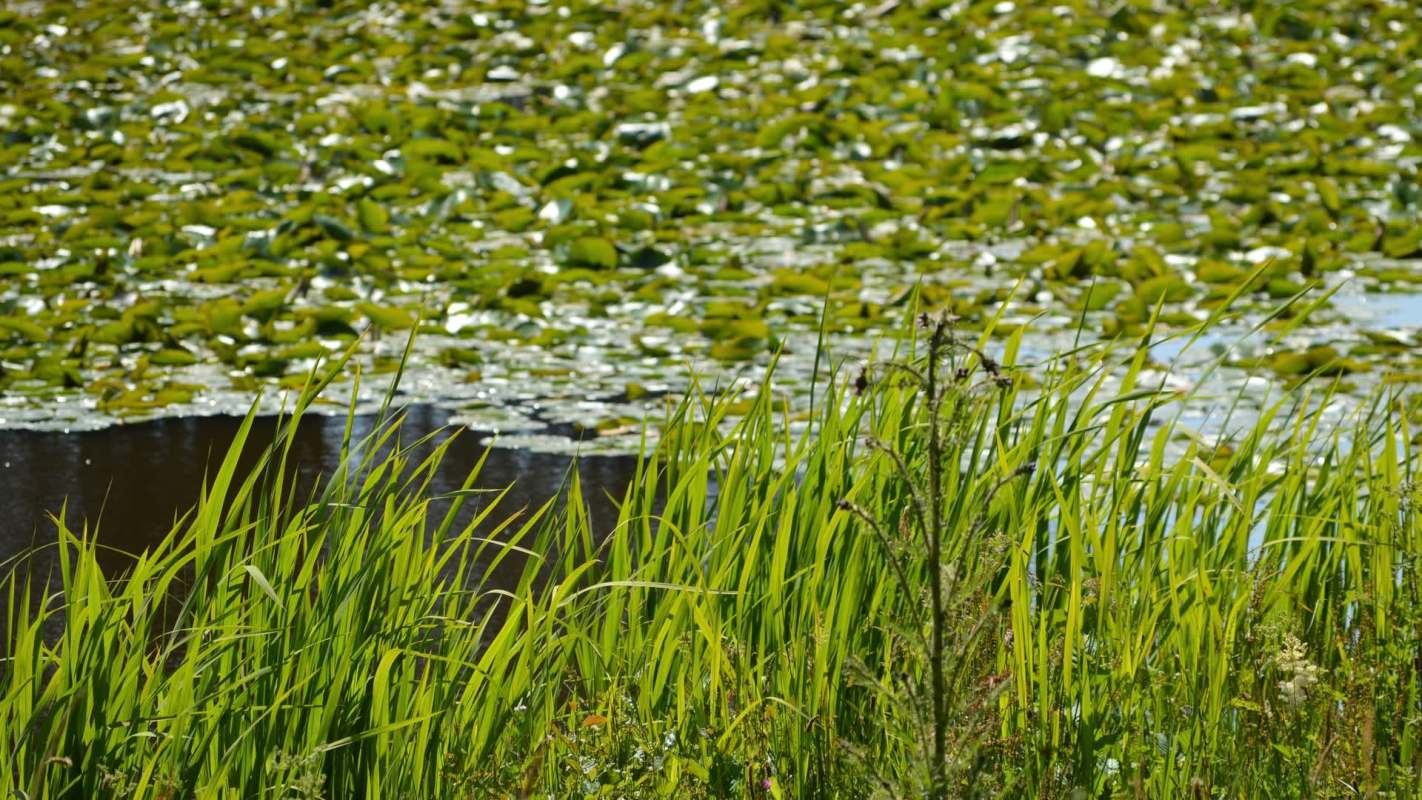
Researchers in Delaware have made a troubling realization about some of the area's unique ecosystems, which have come under siege from rising tides.
What's happening?
According to Spotlight Delaware, scientists in Sussex County are sounding the alarm about the loss of the Cherry Walk Fen, a freshwater wetland near the coast that supported a number of unique species of plant life. Fens are non-tidal, freshwater wetlands that often sit close to the shore.
Over the last 30 years, researchers have watched as rising seas have turned the fens from freshwater wetlands into salt marshes, killing unique plants found only in that area of the state.
"With sea level rise increasing every year, the salinity levels are also increasing now to the point where the freshwater is not enough to push it back, and those sea-level fens are now salt marshes," botanist Bill McAvoy said, per Spotlight Delaware. "And all the rare plants they supported are locally extinct, or extirpated, from Delaware."
Why is the loss of wetlands important?
The fens in Delaware are seen as a harbinger of what's to come, as sea levels continue to rise due to melting polar ice caps, thermal expansion, and rising global temperatures. The switch to renewable energy is critical — if humans continue burning coal, oil, and gas at the current rate, temperatures worldwide will keep rising.
The saltwater of oceans would have a devastating impact on a wide variety of ecosystems, killing off plants, destroying biodiversity, and altering our landscape for generations to come. It would make farming more difficult, as highly salinated soil is not conducive to crop growth.
TCD Picks » Quince Spotlight
💡These best-sellers from Quince deliver affordable, sustainable luxury for all




The rising seas wouldn't just affect plant life; they would impact cities and the lives of those who live in them very quickly.
It's a problem we're already seeing in other parts of the world: in the Philippines, island cities are partially submerged by seawater from rising tides. The island nation of Tuvalu is evacuating members of its population to Australia as the sea slowly subsumes its land.
What's being done to protect Delaware's wetlands?
Delaware's wetlands face an uphill battle for survival. Thanks to dams from old mill towns, it's difficult to get enough freshwater flowing into them to stem the tide from the sea. Researchers are trying to find ways to migrate the wetlands farther inland to protect them from oceanic intrusion but are running into roadblocks there as well.
"Wetlands need to migrate," said Alison Rogerson, an environmental scientist with the state's wetlands program, according to Spotlight Delaware. "That's a tough pill to swallow if that's your [farm] land or your yard."
|
How worried are you about rising ocean levels? Click your choice to see results and speak your mind. |
 Very 😰
 Researchers hope that action will be taken in time to help protect these unique and vital ecosystems.
"Everything being flooded with freshwater is just exacerbated by having it be saltwater and then you have more people crowding around the coast … you're exposing more people to those consequences," Meghan Noe Fellows, director of estuary science and restoration at the nonprofit Delaware Center for the Inland Bays, said, per Spotlight Delaware.
"If you know your house floods three times a year, what do you think is going to happen in 20 years or 50 years?" Fellows continued. "We only have this narrow window to really put in place some tools that we know do help build resilience to those events. That sense of urgency isn't here."

Get TCD's free newsletters for easy tips to save more, waste less, and make smarter choices — and earn up to $5,000 toward clean upgrades in TCD's exclusive Rewards Club.