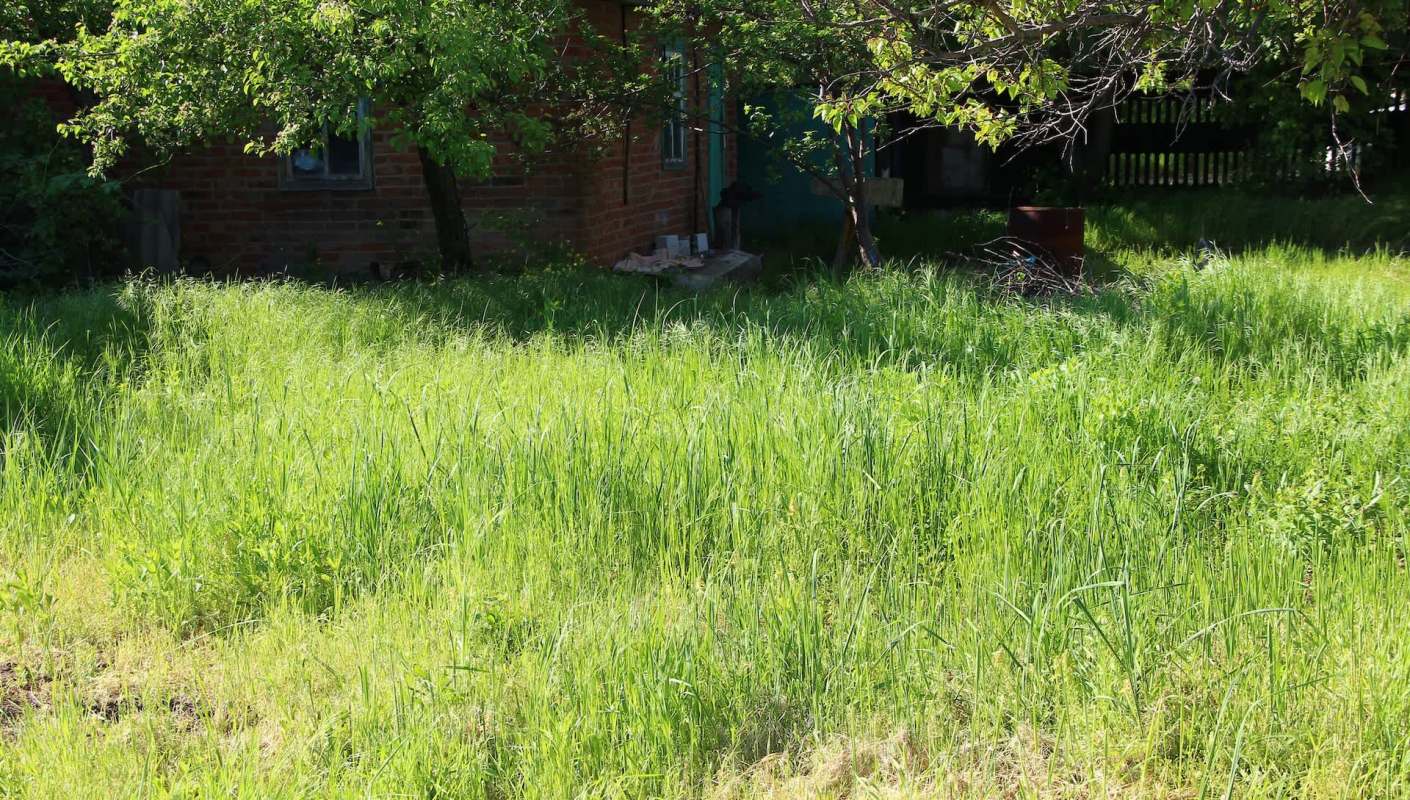
Invasive plant species are not only a nuisance to remove, but they can also pose a threat to native lawns once removed.
One homeowner raised concerns about a pile of wood chips they had received, which contained remnants of an invasive plant species embedded within the wood pile. They asked the r/Permaculture subreddit — a forum dedicated to establishing sustainable and self-supportive environments — for advice.
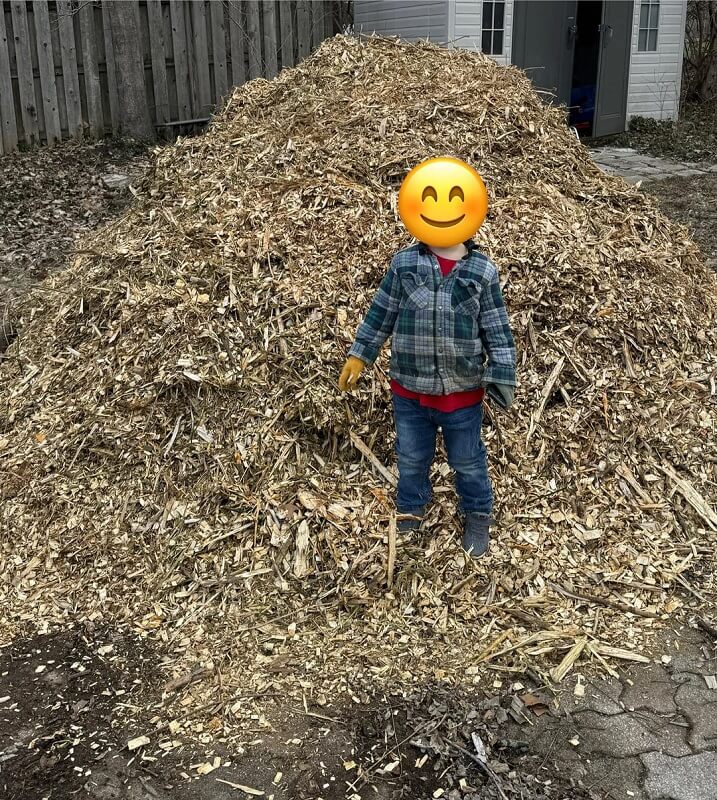
"Just received a large drop of chips that include a lot of honeysuckle. I know these suckers will root if large enough," the original poster explained, adding a picture of the large pile of wood chips they had received. Upon closer inspection, the OP found "some green thin branches 5-8 inches long," which can be subtly seen in the OP's accompanying photo.
Many honeysuckle species are considered invasive plants in North America, according to Gardening Know How. They are aggressive and dense-growing shrubs that tend to overtake native plants for space and resources.
However, some honeysuckle species, like coral honeysuckle and the American fly honeysuckle, are native to the United States and may be beneficial to native environments.
Coral honeysuckle, for example, which is native to the eastern United States, produces red and yellow tubular flowers in the warmer months that provide abundant nectar for pollinators like hummingbirds.
TCD Picks » Quince Spotlight
💡These best-sellers from Quince deliver affordable, sustainable luxury for all




Other species of honeysuckle, however, are a nightmare to remove — especially when they are dense and overgrown. Even when once removed, their deep root systems may allow new growth to reappear, making it difficult to fully eradicate the invasive species.
That explains why the OP was extremely cautious about laying down wood chips with remnants — including live stalks — of the honeysuckle plant.
Homeowners whose lawns have been infiltrated by invasive plant species may turn to popular store-bought weedkillers to help control the growth of invasive plants. However, these products often contain harsh chemicals that may have adverse health effects on their users.
Fortunately, you can fight invasive plant species using natural solutions.
|
What's the hardest thing about taking care of your yard? Click your choice to see results and speak your mind. |
 Mowing the lawn 🏡
 Some gardeners pour boiling hot water on the weeds, killing them within 24 hours. Other gardeners use dead leaves as mulch to cover the ground and prevent invasive plant seeds from taking root. Covering your lawn with a native ground cover, or native low-growing plants, also achieves similar preventative results.
Planting native plants in your lawn also supports the local wildlife and pollinators, who rely on these plants for food and shelter, which ultimately supports healthier ecosystems. Native plants happen to require less maintenance and watering, compared to invasive plant species, which saves homeowners time and money on yard work and water bills.
Many commenters confirmed the homeowner's concern, suggesting different methods to treat the wood chips and prevent any potential remaining live honeysuckle plants from taking root.
"Solarize it. Put a black tarp on it to break it down and kill seeds and roots. Don't let it get moisture," one user advised.
"As someone who fights invasives weekly, either remove the green, or age the pile until everything is dry and brown," another commenter suggested.

Get TCD's free newsletters for easy tips to save more, waste less, and make smarter choices — and earn up to $5,000 toward clean upgrades in TCD's exclusive Rewards Club.