


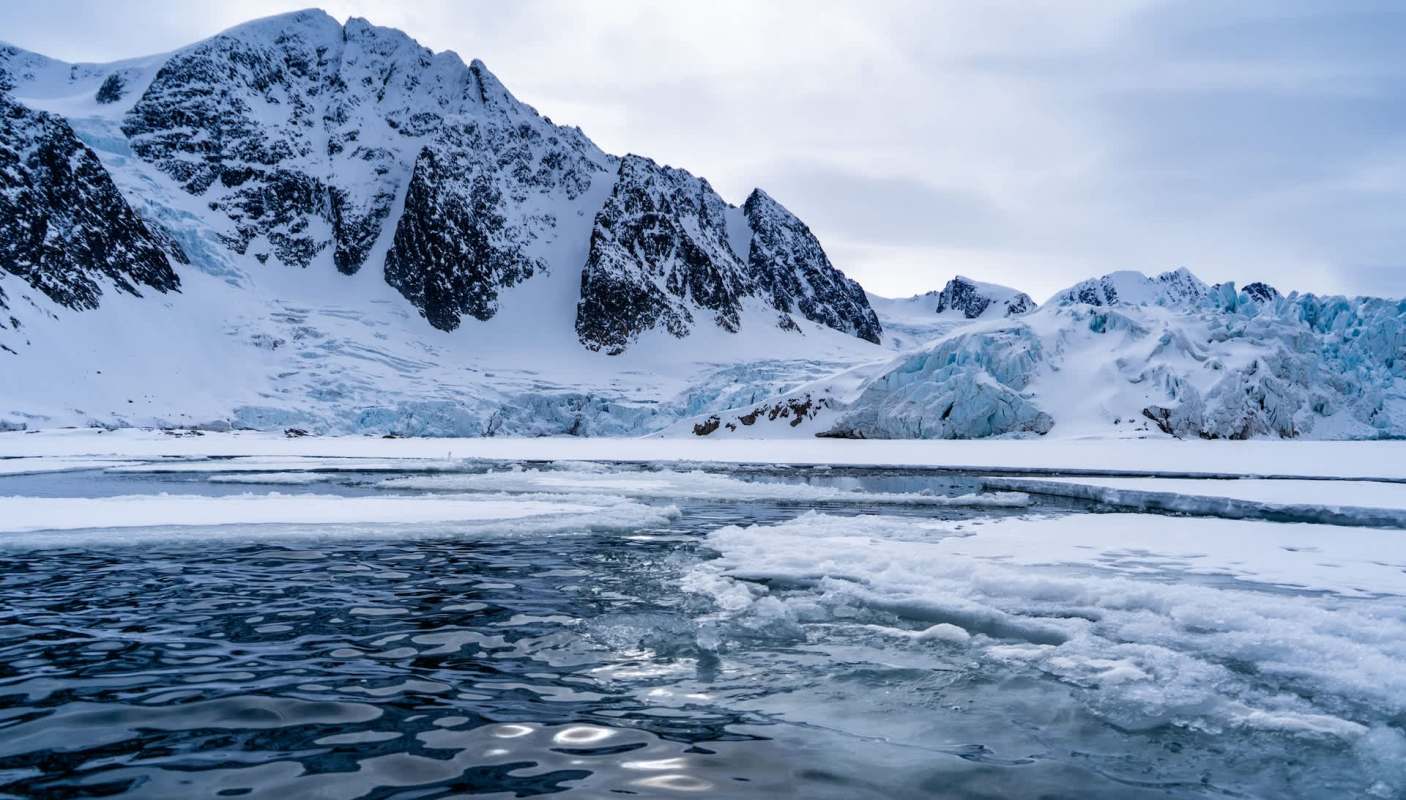
Rising temperatures are pushing Arctic seals toward extinction.
What's happening?
Three of the six Arctic seals — the hooded seal, bearded seal, and harp seal — are more at risk than they were previously, according to Anadolu Agency, a Turkish state news agency. The other seals that live in the region are the harbor seal, ringed seal, and gray seal.
The International Union for Conservation of Nature in October made the hooded seal an endangered species, while the bearded seal and harp seal became near threatened species. Antarctic seals are experiencing similar problems.
The animals are suffering from the loss of sea ice as global temperatures rise. This climate shift — driven by human pollution in the atmosphere — is happening four times faster around the North Pole. Between October 2024 and September 2025, Arctic surface air temperatures were the highest in recorded history (since 1900).
Why is this important?
There is nearly 50% less ice in the Arctic in summer than there was in the 1980s, AA reported. The melting ice has allowed shipping traffic as well as commercial hunting and mining operations to increase, squeezing species already stressed by warmer weather.
China more than doubled its cargo shipping in the Northern Sea Route from 2024 to 2025, and Russia was expected to increase its voyage volume by 50%. This has increased the risks of ship strikes, noise pollution, and habitat disturbance, per AA.
TCD Picks » Quince Spotlight
💡These best-sellers from Quince deliver affordable, sustainable luxury for all




The seals prey on fish and other marine animals, while locals, killer whales, and polar bears eat them. Without ice, "seals become more vulnerable and lose critical areas for resting and reproduction" in addition to feeding, shelter, birthing, and raising pups, AA stated.
Polar bears are similarly at risk, and while some seals may adapt or alter their behavior, the changing conditions will allow more southern species to move in, leading to resource competition. AA named Arctic foxes and reindeer as other animals that could experience the "cascading negative effects throughout the ecosystem." Additional reporting has backed this up.
What's being done about Arctic ice melt?
"Protecting key areas from human activity is essential to allow seals and other species to adapt to threats, particularly as sea ice continues to decline," AA noted.
Because melting ice also leads to higher tides, coastal communities must emphasize adaptation measures. This includes seawall defenses, food system protections, and plans to mitigate disease spread increases caused by higher temperatures and more contact among previously separated animals and humans.
Ice melt is even destabilizing temperatures in North America and Europe by transforming how wind moves across the ocean. This highlights the need for the widespread adoption of solar panels and other energy upgrades.
|
How worried are you about rising ocean levels? Click your choice to see results and speak your mind. |
 Very 😰
Get TCD's free newsletters for easy tips to save more, waste less, and make smarter choices — and earn up to $5,000 toward clean upgrades in TCD's exclusive Rewards Club.







