


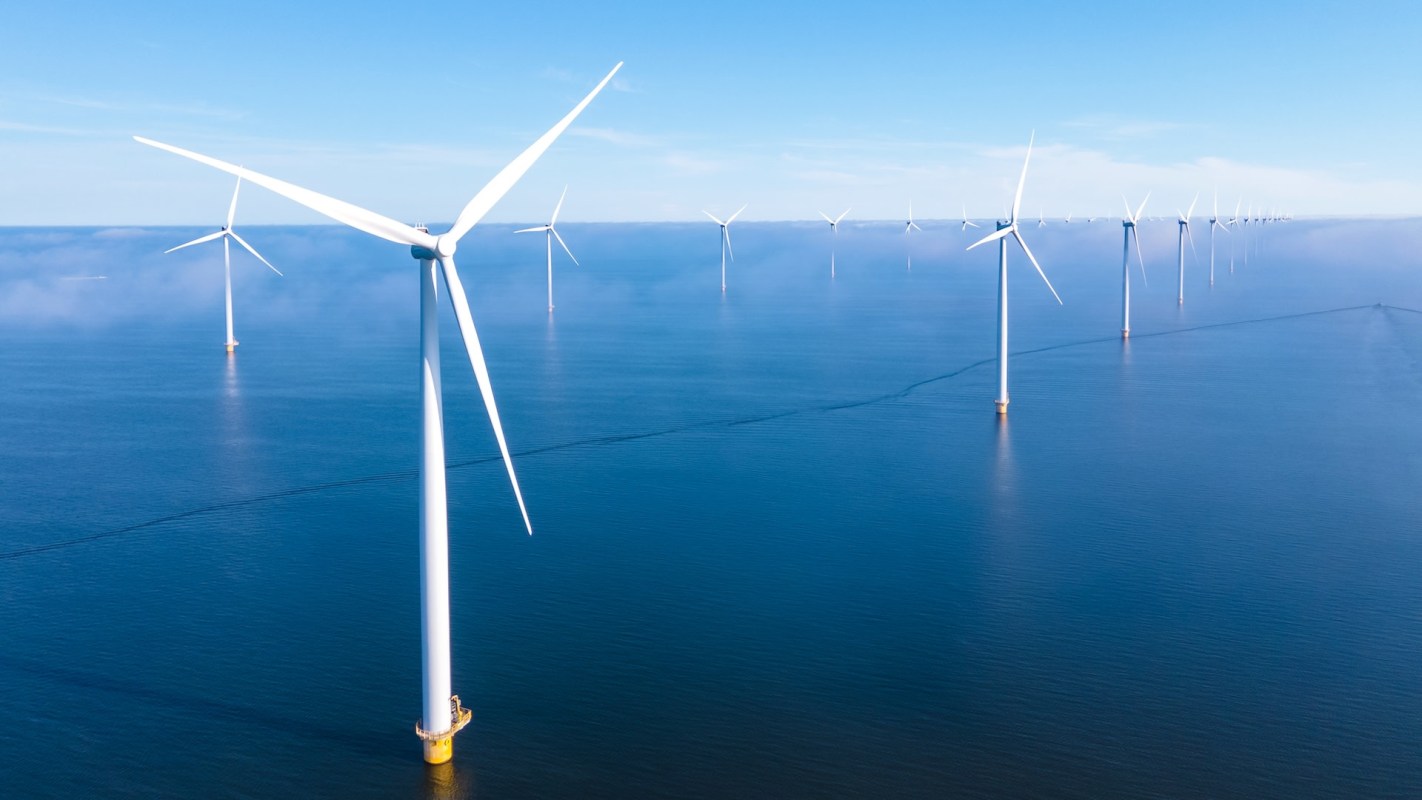
A study has shown that scaling green energy can still protect generational fisheries.
The University of Miami and the National Oceanic and Atmospheric Administration made a discovery about proposed offshore wind energy.
Wind energy areas in the Gulf of Mexico have little overlap with its shrimping grounds. High-resolution vessel monitoring data analysis revealed a minor difference.
Under 2.5% of total annual shrimping effort from 2015 to 2019 occurred within these zones, per the study.
Researchers seek to solve a long-standing "blue economy" issue. That is, how to build wind farms without disrupting the penaeid shrimp fishery — the Gulf's most valuable commercial fishery.
The study's solution lies in "high-resolution spatiotemporal data." Environmental monitoring helps deconflict competing ocean uses, ensuring both sectors can thrive.
TCD Picks » Quince Spotlight
💡These best-sellers from Quince deliver affordable, sustainable luxury for all




The Gulf's industrial evolution has influenced shrimping behavior.
Ocean industrialization will need more vessel data to maintain fisheries. As Brendan Turley, lead author of the study, said, per Miami: "As the ocean becomes more industrialized, combining different data sources is key to preventing conflicts between economically important marine industries."
From 1947 through 2023, over 7,000 oil and gas rigs have affected shrimp, according to the research. These existing structures became predictors for how shrimpers navigate around future wind turbines.
Data interprets shrimpers as avoiding rigs in general. They learned to "thread the needle" in high-density areas. Shrimp vessels stayed within the horizon line of sight for safe navigation per the study.
|
Should we be harnessing the ocean to power our homes? Click your choice to see results and speak your mind. |
 Absolutely 👍
 Precision planning is important for everyone onshore. As these offshore wind projects move forward, they expect to bring sustainable advantages. Lower energy costs will diversify energy production with abundant, free wind power. Grid stability follows, adding more resilient power sources for local communities. Energy independence at the local level reduces reliance on imported fuels. Wind farms also displace polluting energy sources, improving air quality.
Developing the marine industry also creates new jobs for construction, maintenance, and operations.
Progress toward this greener future is already in motion.
In 2023, the Gulf held its first-ever offshore wind energy lease auction. The study's methods are targeting stakeholder engagement and fishery compensation. Strategies like these can ensure critical climate issues find cleaner solutions.

Get TCD's free newsletters for easy tips to save more, waste less, and make smarter choices — and earn up to $5,000 toward clean upgrades in TCD's exclusive Rewards Club.






