


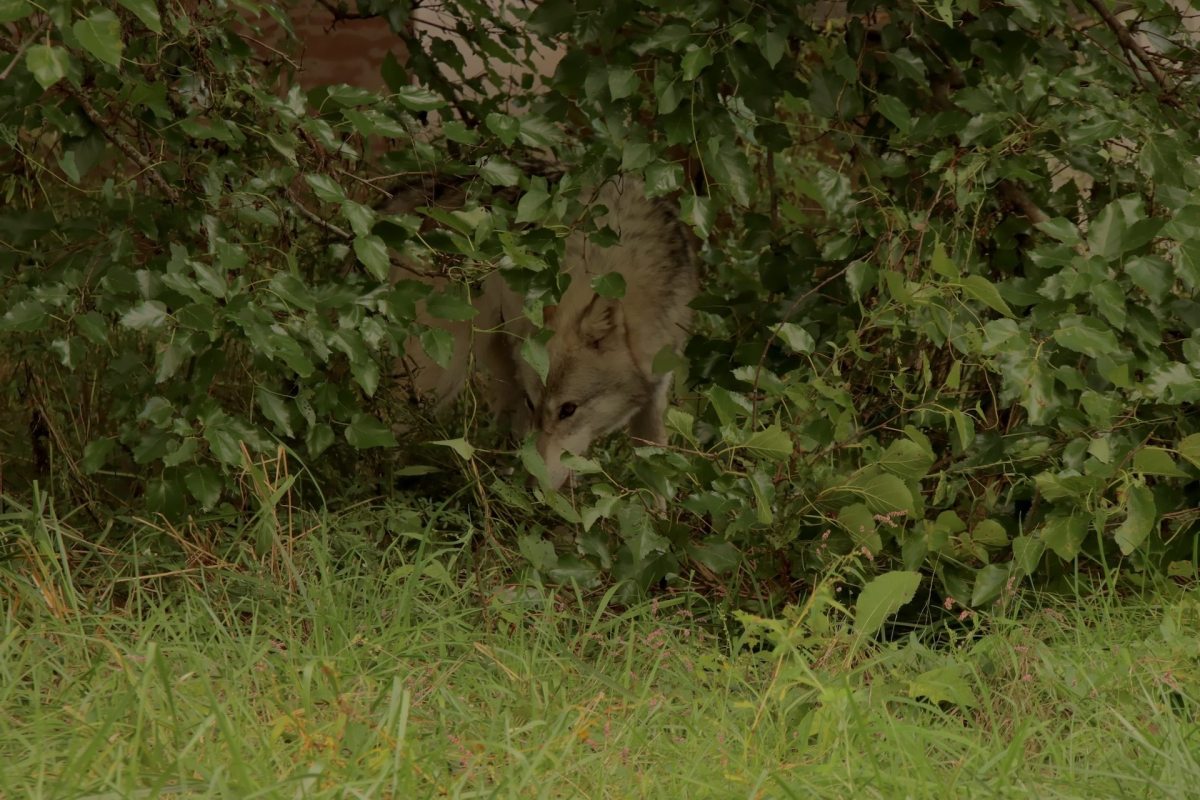
Scientists observed a rare sighting of a 10-member Indian wolf pack in the eastern state of West Bengal, a positive sign for a species classified as vulnerable on the most recent International Union for Conservation of Nature Red List.
As Mongabay reported, the sighting was recorded in Madhaiganj, a village in West Bengal, where significant human-wildlife conflicts with the Indian gray wolf have prompted conservation projects. However, Mongabay noted that greater efforts are needed to increase the population, which stands at approximately 3,000 individuals across India, while also maintaining safe distances between humans and animals.
Many of the wolves live in unnatural, developed habitats that leave them vulnerable to further habitat loss, fragmentation, and unwanted run-ins with humans. The IUCN listed the Indian wolf as a "potential distinct species" because of its ancient lineage and a unique gene pool, underscoring its ecological importance and the urgent need for further conservation efforts.
For the study, researchers spent eight months in 2023 tracking the wolf pack using camera traps, surveys, and community interviews. Since wolves are most active at night, trail cameras are essential for monitoring population health and documenting evidence of rehabilitation efforts.
Unfortunately, much of their habitat has been converted to mining operations and other industrial developments, and the natural prey they depend on faces "continuous hunting pressure," according to Mongabay. That means the wolves are forced to hunt farmers' livestock, which has become a big problem for many — over 50% of surveyed households said they'd lost animals in 2022.
According to Divisional Forest Officer Anupam Khan, despite numerous challenges, the wolves appear to be adapting and surviving well; however, he emphasized that strategic conservation efforts are vital to ensure the species' continued existence.
TCD Picks » Quince Spotlight
💡These best-sellers from Quince deliver affordable, sustainable luxury for all




The research underscores the need for "region-specific conservation measures," per Mongabay, such as setting aside open habitats for the species, using radio collaring to better track the animals as they travel through human-developed areas, providing more livestock protection to farmers, and educating the community about the importance of the wolves' survival.
"What we are seeing is the apex predator of India's grasslands surviving in an anthropogenically modified landscape," lead researcher Arkajyoti Mukherjee, secretary of the Wildlife Information and Nature Guide Society and a postdoctoral researcher at IIT Kharagpur, told Mongabay.
"This is a unique carnivore persisting in one of the most altered habitats in eastern India. Their survival here depends entirely on how well we can secure the remaining habitat pockets and promote coexistence."
Mukherjee added: "We are only beginning to understand how unique this apex predator is. Every dataset from underreported regions like eastern India helps shape future conservation policy."
|
Do you think America does a good job of protecting its natural beauty? Click your choice to see results and speak your mind. |
 Definitely 👍
Get TCD's free newsletters for easy tips to save more, waste less, and make smarter choices — and earn up to $5,000 toward clean upgrades in TCD's exclusive Rewards Club.







