


While it might seem like a compassionate and cool thing to do, putting out food for wildlife in your backyard is actually one of the worst things you can do for them, according to nature experts.
What is the deal with feeding wildlife?
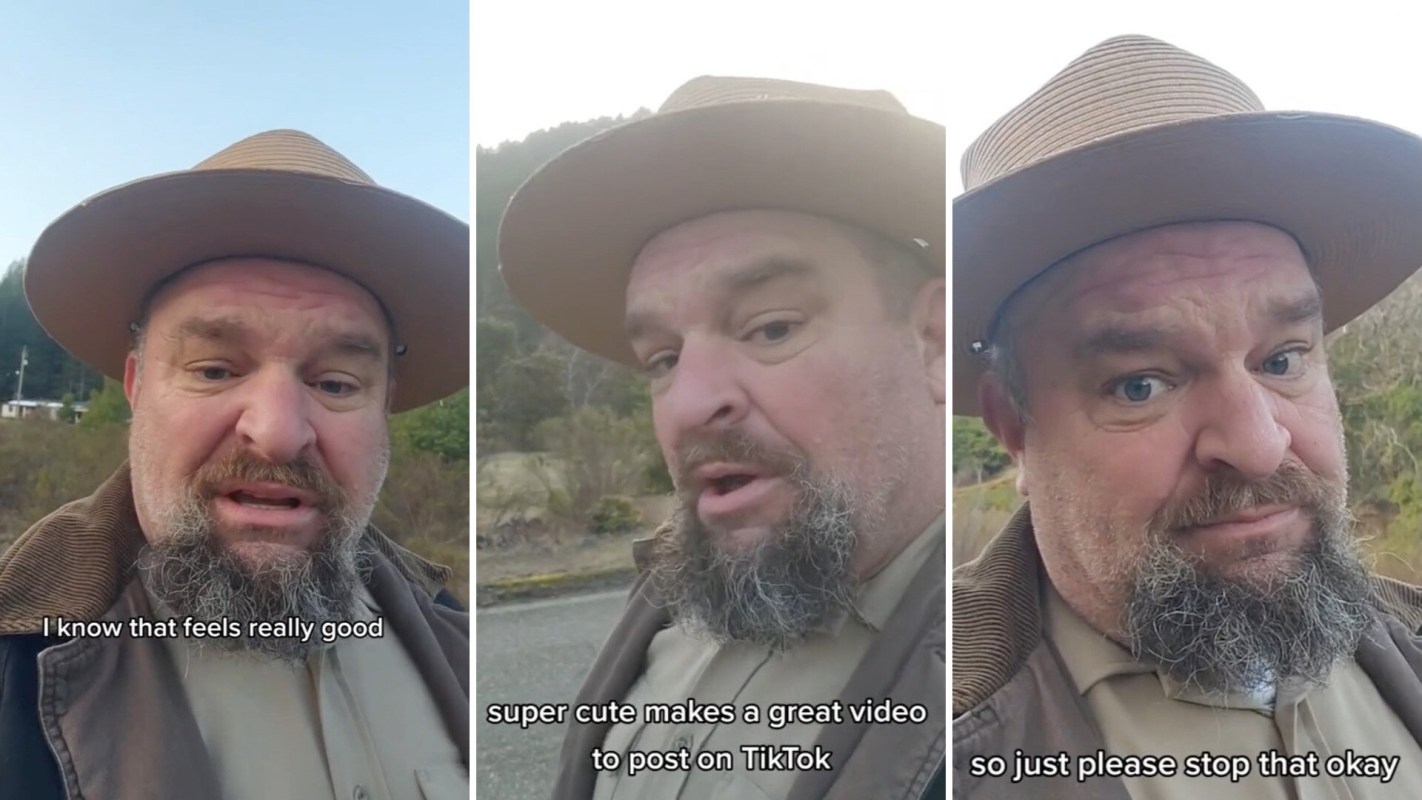
John "Griff" Griffith, a conservationist for over 40 years and host of the Animal Planet show "Wild Jobs," explained the crux of the issue on his TikTok (@griffwild).
@griffwild there are better ways to help wildlife than feeding them #learnontiktok #edutok #naturelover #naturetok #animalrescue #wildlifecoexistence @sacramentofoodforest @nativeplanttok ♬ original sound - Griff
As Griff explains, many people place food in their yards to attract animals like foxes, raccoons, and deer to presumably help them and see them up close. Griff totally understands the attraction of it, acknowledging that those who do so might mainly be guilty of having a "big heart."
He also says these sorts of interactions can appear cute, look like they're aiding the animals, and even make for great social media content. However, looks are deceiving. This practice is ultimately very bad for the animals.
Why is feeding wildlife problematic?
As Griff explains, feeding animals can cause them to become accustomed to human interaction (aka habituation), which can be dangerous.
"When a wild animal loses its fear of humans, it rarely ever ends well, trust me," Griff warns.
TCD Picks » Quince Spotlight
💡These best-sellers from Quince deliver affordable, sustainable luxury for all




As Griff explains, feeding wildlife can artificially inflate their populations, potentially leading to starvation if the food source disappears. Another possibility is generating resentment from neighbors toward the animals.
That can lead them to using poison to deal with unwanted coyotes, deer, or raccoons. That, in turn, poses a significant threat not only to the intended targets, but also to other animals through secondary ingestion, or bioaccumulation.
Fortunately, there is a better way to help out local wildlife than feeding them, as Griff explains.
How can you help nearby wildlife instead?
A more effective way to support local wildlife is to plant native flowers and grasses that they can feast on naturally.
|
Would you be willing to let your yard grow wild? Click your choice to see results and speak your mind. |
 I already have 😎
 Griff notes that this pattern won't lead them to artificially hanging out in your yard all year long because the native plants will only grow in season, which keeps animals from being unnaturally reliant on you.
Griff recommends that U.S. viewers search "Native Plant Finder" and enter their zip code to find the best plants for the area. He also suggests checking out the book "Nature's Best Hope," and following the accounts of the Sacramento Food Forest and others like it (e.g. Native Habitat Project) on social media.
"That's how you can make the world a better place, just by restoring your yard, your balcony, your porch…" Griff concludes. "Plant three or four native plants and that's how you can make a difference."

Get TCD's free newsletters for easy tips to save more, waste less, and make smarter choices — and earn up to $5,000 toward clean upgrades in TCD's exclusive Rewards Club.







