


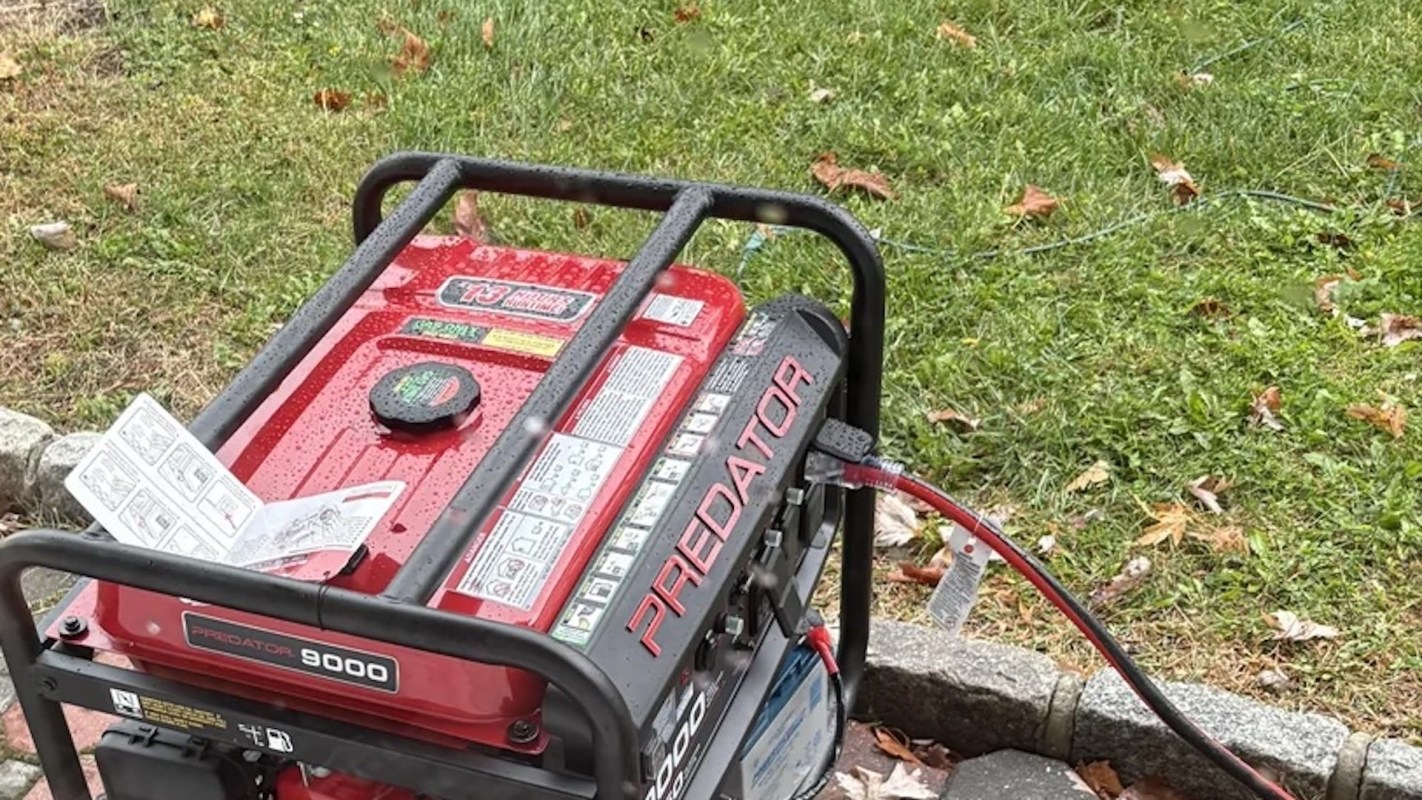
A homeowner who wondered whether their portable generator setup was OK was hit with a ton of advice to move the dangerous machine away from their house.
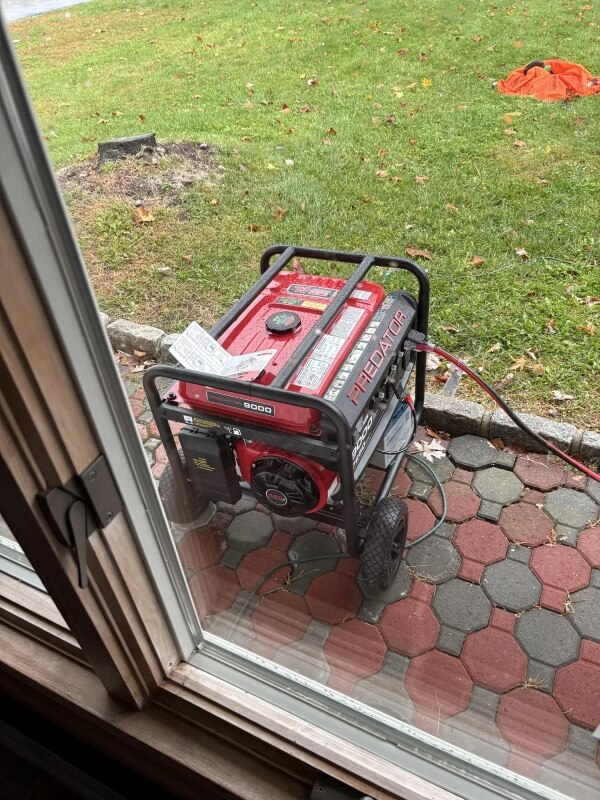
In r/Generator, they said their husband said it was fine but that they disagreed. A photo showed a small generator on wheels just a foot or two from a window.
Commenters pointed out that the emergency power supply should remain 20 feet from any living space, and many discussed ways to cover it to protect it from rain.
As the American Red Cross explains, generators create carbon monoxide, electrocution, and fire risks. Carbon monoxide is a colorless, odorless, and toxic flammable gas that can kill people without warning.
Frequently, this happens when people use generators too close to their homes or in enclosed spaces such as garages in the aftermath of storms that cause power outages.
With extreme weather events and grid failures on the rise, it is vital to know how to safely operate these devices and have plans in place to ensure well-being during unexpected interruptions.
Alternatively, battery backups are increasingly popular. Often paired with solar panels, they store energy for use during peak hours, when electricity prices are highest, and for emergencies.
EnergySage offers free tools for you to gather information about home battery storage options, and it can compile installation estimates as well. The company has also partnered with electrification business Qmerit to guarantee you will get the best price on a battery.
Save $10,000 on solar panels without even sharing your phone number Want to go solar but not sure who to trust? EnergySage has your back with free and transparent quotes from fully vetted providers in your area. To get started, just answer a few questions about your home — no phone number required. Within a day or two, EnergySage will email you the best options for your needs, and their expert advisers can help you compare quotes and pick a winner. Solar panels can save you more than $50k over their 25-year lifespan, and EnergySage can help you save as much as $10k on installation. Which begs the question — isn't that worth an email or two? |

As a bonus, the electric solution doesn't come with the danger of a toxic, deadly gas.
A generator should stand away from doors, windows, and vents, and renters and homeowners should install carbon monoxide alarms on every level of their home and outside sleeping areas. Fans or open doors or windows do not prevent the buildup of the gas. "Even if you cannot smell exhaust fumes, you may still be exposed," the Red Cross says.
|
Do you have a backup power system at your home? Click your choice to see results and speak your mind. |
 Not at all 🙅
 You may feel sick, dizzy, or weak if you are exposed to carbon monoxide. The solution is to get fresh air immediately.
"Make sure you show your husband all these comments so he can see how (your favorite word here) he is," one user wrote.
Someone else said: "This isn't something to f*** around with; people die every year. And don't let him sway you with 'it's pointing in this or that direction or I can't smell anything.' It's the silent killer. Not worth dying over."

Get TCD's free newsletters for easy tips to save more, waste less, and make smarter choices — and earn up to $5,000 toward clean upgrades in TCD's exclusive Rewards Club.






