


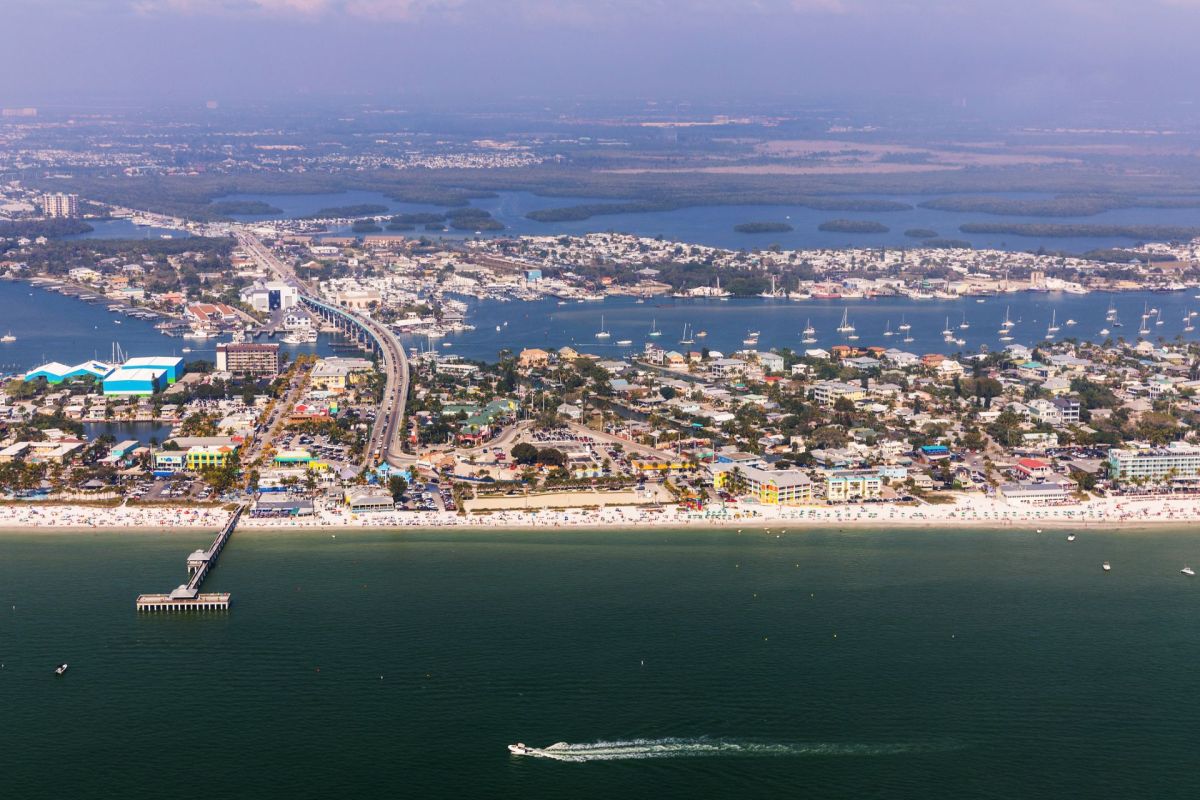
A coyote stranded on a hotel ledge in downtown Fort Myers, Florida, stopped locals in their tracks.
The scramble to then rescue the animal pointed to a bigger issue: animals are being pushed into risky spaces as development grows.
What happened?
The unusual scene unfolded when a coyote made its way into the Luminary Hotel's parking garage before appearing on a narrow ledge overlooking the street, according to ABC7.
Fort Myers police, firefighters, and officers from the Florida Fish and Wildlife Conservation Commission attended the scene. It was thought the coyote was there for more than an hour.
A ladder truck was eventually brought in as people gathered below, reported Gulf Coast News Now.
However, the creature was able to make its own escape, jumping back over a barrier, into the parking lot, and away to safety.
TCD Picks » Quince Spotlight
💡These best-sellers from Quince deliver affordable, sustainable luxury for all




In the post's comments, people were quick to point the finger at developers for the coyote's situation.
"Stole coyote's home," one person commented. "[Stop] building. Nowhere to go now."
"All the land that was once their home is now apartments, shopping centers, unnecessary [stuff] that we have too much of," wrote another. "Leave their homes alone and we wouldn't see this."
Why are these wildlife sightings concerning?
As the commenters noted, as more land is cleared for development, coyotes and other wildlife are left with fewer safe places to live.
|
Should governments be investing money into new, futuristic cities? Click your choice to see results and speak your mind. |
 Definitely 👍
 Fragmented habitats and shrinking food sources push animals toward human spaces, where trash bins, dumpsters, and small animals offer easy access to meals.
"Humans tend to carry around a lot of trash with them, so we make food readily available," Christina Anaya, a biology professor at Florida Gulf Coast University, told ABC7.
According to Anaya, animals like coyotes have already adapted to developed areas out of necessity.
Their presence in cities isn't unusual anymore; it's a reflection of how heavily human growth shapes wildlife behavior.
Rising temperatures and shifting seasonal patterns only add more pressure, making it harder for animals to rely on the resources they once did.
For communities, encounters like this can feel unsettling. They reflect the strain placed on ecosystems, which can in turn make human communities more vulnerable.
Protecting and restoring natural habitats helps reduce these high-risk interactions while keeping both people and wildlife safer.
What's being done about human-wildlife encounters?
Many states and local agencies are working to restore and reconnect natural habitats, giving wildlife safer pathways that keep them out of dense city centers.
Wildlife corridors, protected land initiatives, and long-term planning that accounts for animal movement help reduce dangerous encounters.
Residents can play a role too. Simple steps — like keeping trash locked up and not leaving food out — make it less likely that wildlife wanders into busy areas.
Supporting efforts to protect open space and pushing for development that considers wildlife presence can also cut down on these high-stress encounters.
The Fort Myers coyote eventually made it down safely, but the pressures that put it on the ledge in the first place aren't going away.
Giving wildlife the space it needs is one of the most effective ways to keep situations like this from becoming routine.

Get TCD's free newsletters for easy tips to save more, waste less, and make smarter choices — and earn up to $5,000 toward clean upgrades in TCD's exclusive Rewards Club.







