


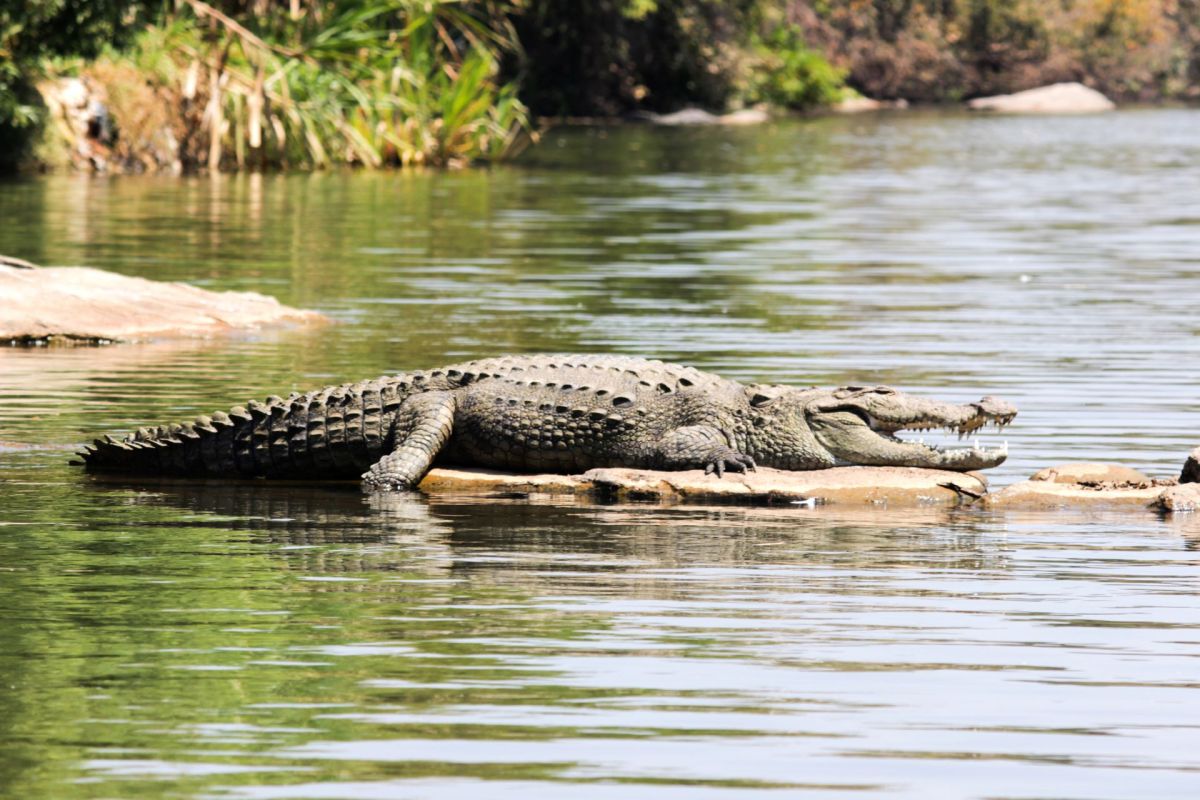
Residents of Kurla, Mumbai, were alarmed after a 2.5-foot marsh crocodile appeared in a neighborhood pond far from any forest or natural waterway.
What's happening?
According to Mid-Day, local authorities and wildlife volunteers quickly confirmed the reptile's presence and warned residents to stay away from the water.
The crocodile was first spotted about a month ago in Kurla's Ambedkar Nagar Pond, and residents have reported sightings since then. People reportedly threw stones at the animal, raising concerns for both public safety and the crocodile's well-being.
Wildlife volunteers said the crocodile appeared alert but stressed and believed it likely wandered into the pond unintentionally.
As volunteer Asif Patrawala told Mid-Day, "Immediate action is important for the safety of both the reptile and locals."
Why is this important?
The Indian marsh crocodile is native to rivers and lakes across South Asia, but its population has declined significantly because of habitat loss and human activity.
TCD Picks » Quince Spotlight
💡These best-sellers from Quince deliver affordable, sustainable luxury for all




"There is no natural forest or lake nearby, but the crocodile may have come from the Mithi River," Sheldon D'Souza, another volunteer in the area, told Mid-Day. "Locals have been advised not to provoke it."
The crocodile discovery highlights a growing issue. Wild animals are being increasingly pushed into human spaces as development expands and natural habitats shrink. Rising temperatures and degraded wetlands can also force animals to search for cooler water and food in unfamiliar areas.
These encounters pose risks on both sides. People and pets could be injured, and frightened communities may harm animals out of fear. Similar conflicts are becoming more common across India.
In Karnataka, dozens of people have been killed this year in encounters with elephants and tigers. Officials have linked these incidents to forest loss and reduced wildlife corridors. Experts have warned that repeated conflicts can undermine conservation efforts if communities feel unsafe or unsupported.
What's being done about it?
Mid-Day reported over a week after its initial piece that the crocodile was finally rescued on Dec. 13. Team members from Spreading Awareness on Reptiles and Rehabilitation Programme India brought the animal to a wildlife hospital. While the croc is getting much needed care, residents are relieved.
|
Should the government be allowed to control how restaurants run their business? Click your choice to see results and speak your mind. |
 Never 👎
 Long-term solutions focus on restoring and protecting natural waterways and wetlands. These actions will provide wildlife with the space and resources they need to survive without encroaching on urban areas. Conservation groups emphasize that healthier ecosystems reduce the likelihood of dangerous encounters while promoting biodiversity.
Individuals can help by supporting conservation organizations, advocating for habitat protection, and respecting wildlife boundaries. Experts emphasize that protecting natural environments helps protect communities, too. When animals have safe places to live, everyone benefits.

Get TCD's free newsletters for easy tips to save more, waste less, and make smarter choices — and earn up to $5,000 toward clean upgrades in TCD's exclusive Rewards Club.







