


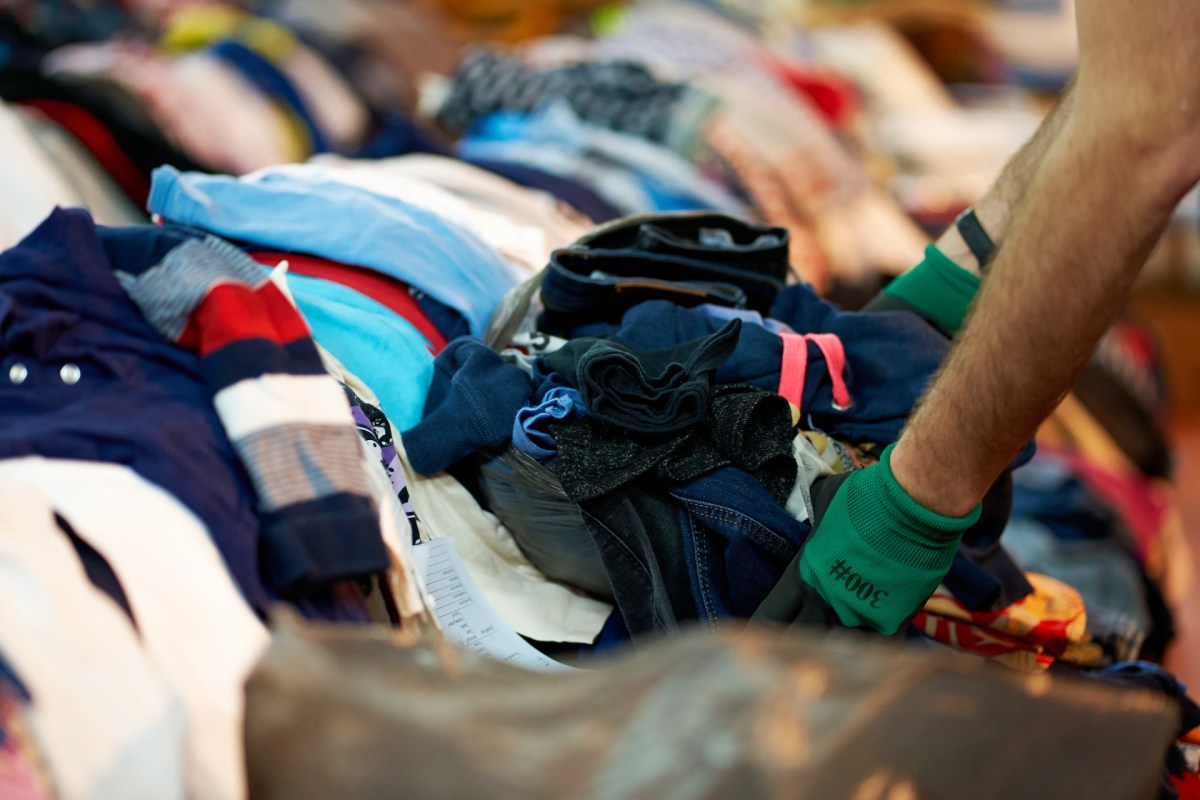
Some fast fashion brands say they use recycled polyester in their clothes, perhaps interested in marketing this as a pro-environment feature. But these materials may actually release more microplastics than first-use synthetics.
What's happening?
The waste problem to which polyester and other synthetic materials used in mass-produced clothing have contributed is well-known. A study published in 2017 and conducted by the International Union for Conservation of Nature found that 35% of all microplastics in the ocean are byproducts of the textile industry.
Now, new research from Changing Markets Foundation has highlighted the pollution issues created by making clothes out of recycled polyester rather than virgin materials.
Using recycled fabrics might seem, on the surface, like a great way to reduce plastic waste. However, the foundation said its research found that the process of recycling makes these materials more brittle and vulnerable to degradation. This means that when they're washed, they can actually release 55% more microplastic particles than new polyester, the foundation said.
That may still be better than the garment ending up in waterways in Ghana or the deserts of Chile, depending on your viewpoint, but it highlights the pesky problem that plastic-based materials create in the first place by not decomposing into harmless materials as natural products generally do on a short timeline.
No matter the case, reducing and reusing are far and away better than the "third R" within reducing, reusing, and recycling, and that's especially true with plastic and plastic-adjacent products.
TCD Picks » Quince Spotlight
💡These best-sellers from Quince deliver affordable, sustainable luxury for all




Why are microplastics from clothes so concerning?
Every time you put your clothes in the washing machine for a quick spin, they can shed up to 700,000 microplastic fibers. These tiny plastic flakes, less than 5 millimeters long, could have big impacts on people and the planet.
The health risks of microplastics exposure are still being explored, but scientists are investigating potential links to worrying health issues, including certain cancers, stroke, cardiac conditions, and dementia, according to the BBC.
Some major brands have proclaimed their use of recycled plastics as a sustainability initiative and a positive step. But this new research from Changing Markets Foundation could position the switch to recycled polyester as something closer to greenwashing.
"Fashion has been selling recycled polyester as a green solution, yet our findings show it is deepening the microplastic pollution problem," Urska Trunk of Changing Markets said in a press release. Trunk continued, "Real solutions mean slowing and phasing out synthetic fibre production and stopping the diversion of plastic bottles into disposable clothing."
TCD Picks » Quince Spotlight
💡These best-sellers from Quince deliver affordable, sustainable luxury for all
What can be done?
The ultimate way to avoid microplastics is to move away from synthetic fibers as much as possible. Cotton, linen, bamboo, recycled wool, and hemp are fabrics that won't shed microplastics into your laundry and waterways.
Installing a certified filter in your washing machine can also help trap microplastic fibers before they reach the water system.
Thrifting or getting involved in a clothing swap can be a great method of refreshing your wardrobe without buying into fast fashion. Finding secondhand vintage clothes may also help you avoid synthetic fabrics. Many older brands used natural fibers. And clothing made brand-new with natural fibers today can be fairly expensive, so finding it secondhand can make acquisition much more affordable.
|
Which of these factors would most effectively motivate you to recycle old clothes and electronics?
Click your choice to see results and speak your mind. |
 Giving me money back 💰
Get TCD's free newsletters for easy tips to save more, waste less, and make smarter choices — and earn up to $5,000 toward clean upgrades in TCD's exclusive Rewards Club.







