


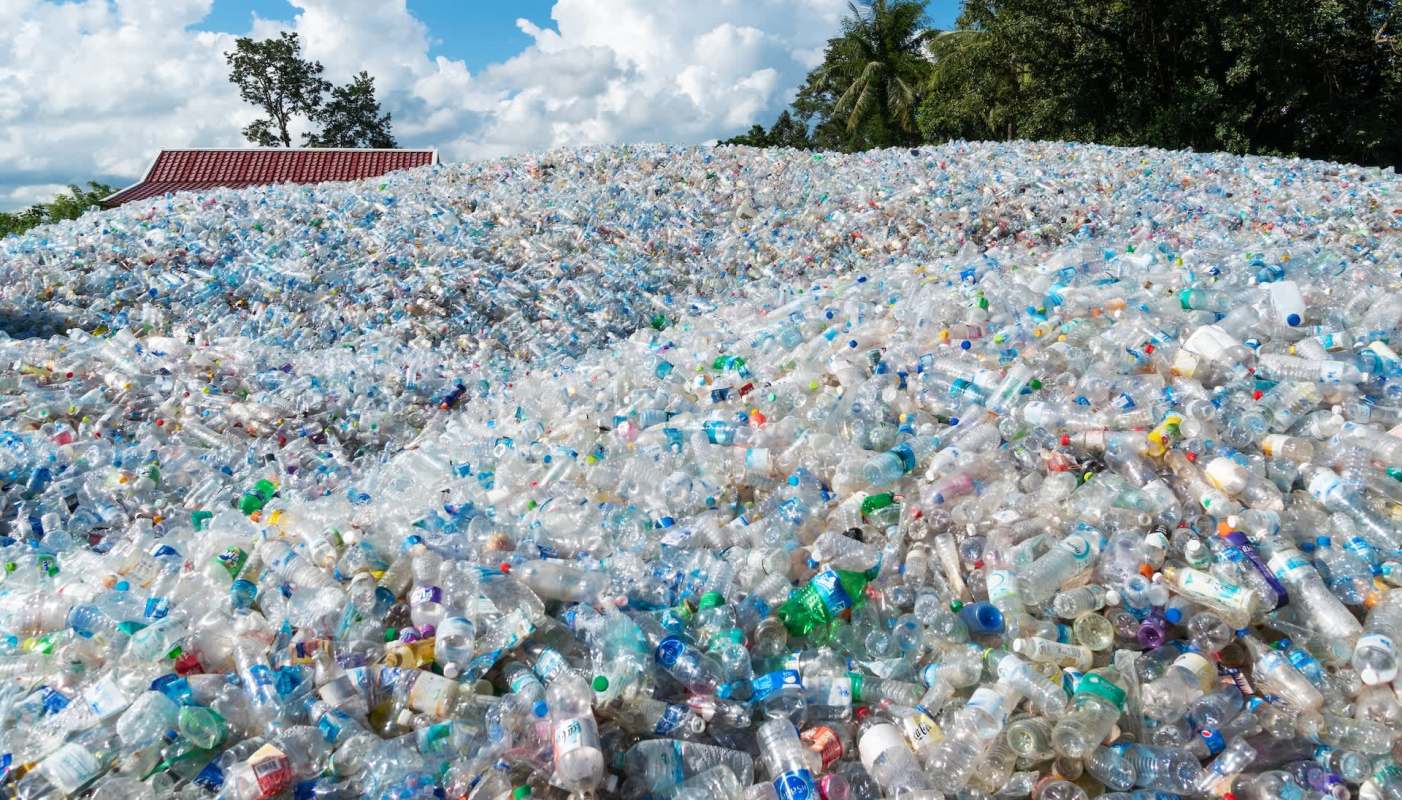
A Japanese startup formed to create cutting-edge sustainable materials is starting at practically the smallest possible scale.
Green Science Alliance experts have created so-called artificial atoms, or quantum dots, from plastic waste. The tiny molecule-sized inventions are one-10,000th the width of a human hair and use plastic trash that would otherwise end up as litter or in a landfill, according to a news release.
If successful, the dots could one day be a part of LEDs, display screens, and other tech that many people use each day.
"It will be a great achievement if one could develop [a] new method to convert plastic wastes into something valuable and useful," the alliance said.
Scientist Ryohei Mori, the dot creator, noted that billions of tons of plastic have been created since 1950. PBS reported that 57 million tons of it end up as pollution each year. It can take decades to centuries or longer for it to degrade, turning into microplastics along the way, the United Nations added.
The minuscule particles have been found deep inside human bodies, at our oceans' depths, and even on Mount Everest. We ingest them simply by breathing and eating, the alliance said. Stanford Medicine reported that evidence is growing that microplastics harm the body by causing inflammation, organ damage, and other problems.
TCD Picks » Quince Spotlight
💡These best-sellers from Quince deliver affordable, sustainable luxury for all




Sustainably recycling plastics can be troublesome, typically involving chemicals and heat, according to the alliance. The release added that 90% of plastics are trashed or incinerated.
If Mori can start pumping out quantum dots at scale, the reused plastic particles could add up quickly. Solar cells, lasers, and artificial photosynthesis are other work orders the innovation could help to fill, per the release.
The expert doesn't go into great detail about how the dots are made, but he indicated in the summary that he intends to continue exploring the application of the concept.
Other unique plastic waste solutions are also being discovered and researched. A marine fungus is eating floating trash. Other experts are studying a type of waxworm that's capable of digesting plastics.
|
Should it be illegal to throw away old clothes?
Click your choice to see results and speak your mind. |
 Heck yes 👍
 Avoiding plastic use as much as possible is among the best ways to help. A one-time investment in reusable silicon food containers can save you about $25 annually in throwaway sandwich bags with a far better product. Reusable grocery bags are another switch that can prevent loads of troublesome waste, for example. Recycle Check can help you find recycling options in your community to unload the plastic you can't avoid.
"It is important to promote using biodegradable plastics or recycling plastics," the alliance release stated.

Get TCD's free newsletters for easy tips to save more, waste less, and make smarter choices — and earn up to $5,000 toward clean upgrades in TCD's exclusive Rewards Club.







