


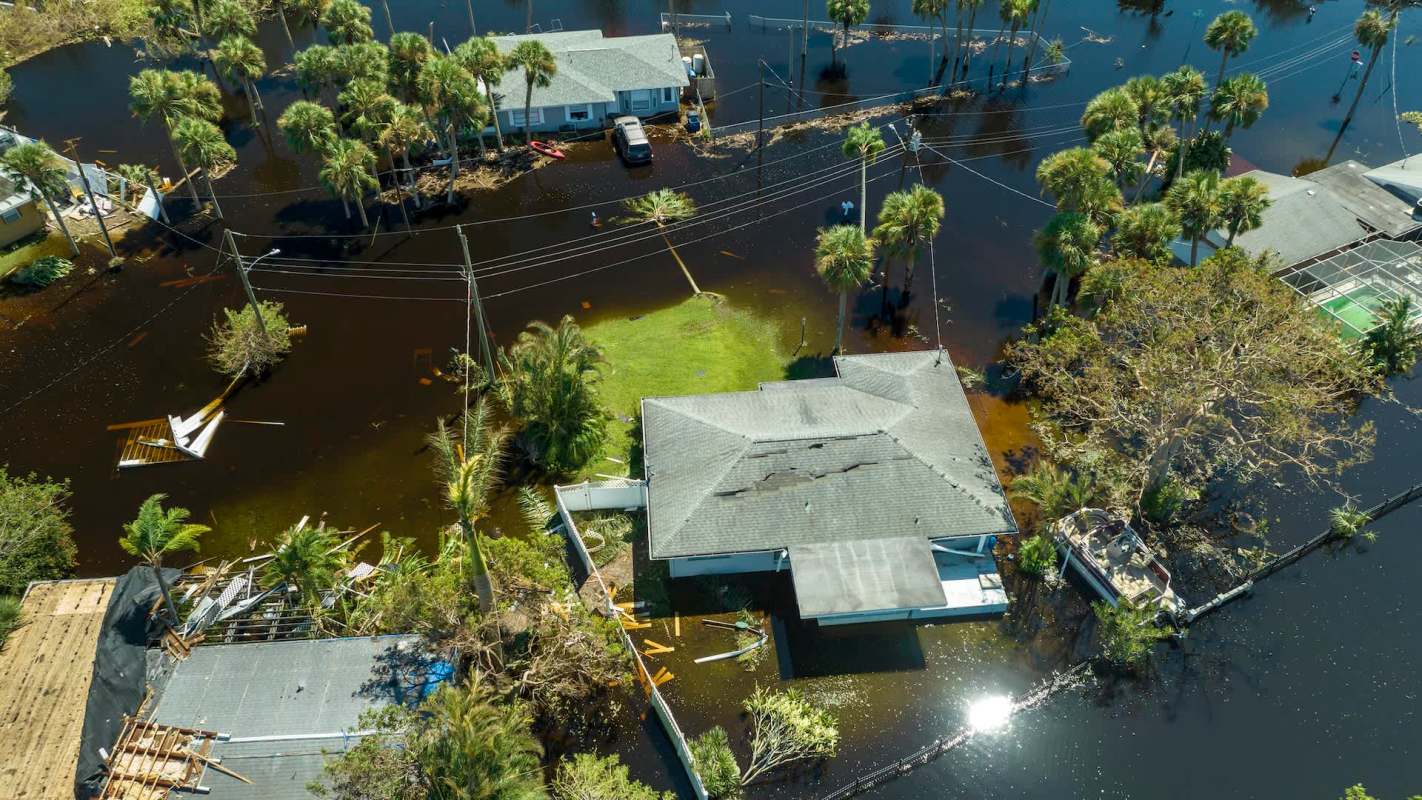
Researchers say that delta cities are at risk of rising seas in the coming years — with implications far beyond China's coastlines.
What's happening?
A study published in One Earth warns that low-lying delta cities — including Shanghai — are becoming increasingly exposed as typhoon-driven flooding, storm surges, extreme rainfall, and tidal forces collide more frequently.
Flooding isn't new, but the danger spikes when these forces combine. After accounting for sea level rise and land subsidence — the gradual sinking of ground caused mainly by human activity — the team found that Shanghai's future flood footprint could grow by 80% by 2100.
"These findings have wider implications for all coastal cities and especially those built on deltas like Shanghai," lead author Robert Nicholls said. "... The likelihood and magnitude of floods are often underestimated. … The threat is growing."
That threat includes the risk of "catastrophic failure" if defenses such as levees, seawalls, and mobile barriers aren't updated to withstand stronger future storms.
Why is this important?
As the planet warms from pollution caused by the burning of dirty energy sources, ocean water expands and ice melts, raising sea levels. Extreme storms such as typhoons and hurricanes have always existed, but scientists agree that the added heat fuels more powerful, wetter, and faster-moving events. This pattern makes everyday flooding more dangerous.
TCD Picks » Quince Spotlight
💡These best-sellers from Quince deliver affordable, sustainable luxury for all




Mix rising seas with sinking land, and cities such as New Orleans, Miami, Bangkok, and Jakarta, Indonesia, face similar risks. In many places, critical infrastructure — including ports, subways, sewage systems, and electrical grids — sits only a few feet above today's tides.
Without better protection, it only takes one rough storm to push water into streets, wreck homes, and leave communities scrambling for safe drinking water.
What's being done about it?
The authors stressed that disaster isn't guaranteed — but preparation has to keep pace.
Cities are already testing new defenses, from Venice's mobile MOSE barriers to Singapore's strengthened seawalls.
|
Do you worry about the quality of the air inside your home?
Click your choice to see results and speak your mind. |
 Yes — often 😬
 Around the world, coastal regions are making slow but steady adjustments, updating building standards, restoring wetlands that help soften storm impacts, and expanding cleaner energy so the forces driving sea level rise don't keep accelerating.
People play a part in this shift, too. Small choices — cutting back on wasted energy, choosing cleaner ways to get around, supporting restoration work, and voting for policies that protect communities — quietly push things in the right direction.

Get TCD's free newsletters for easy tips to save more, waste less, and make smarter choices — and earn up to $5,000 toward clean upgrades in TCD's exclusive Rewards Club.







