When humans and wildlife get too close, the results can push hard-to-make choices to the forefront of conservation efforts.
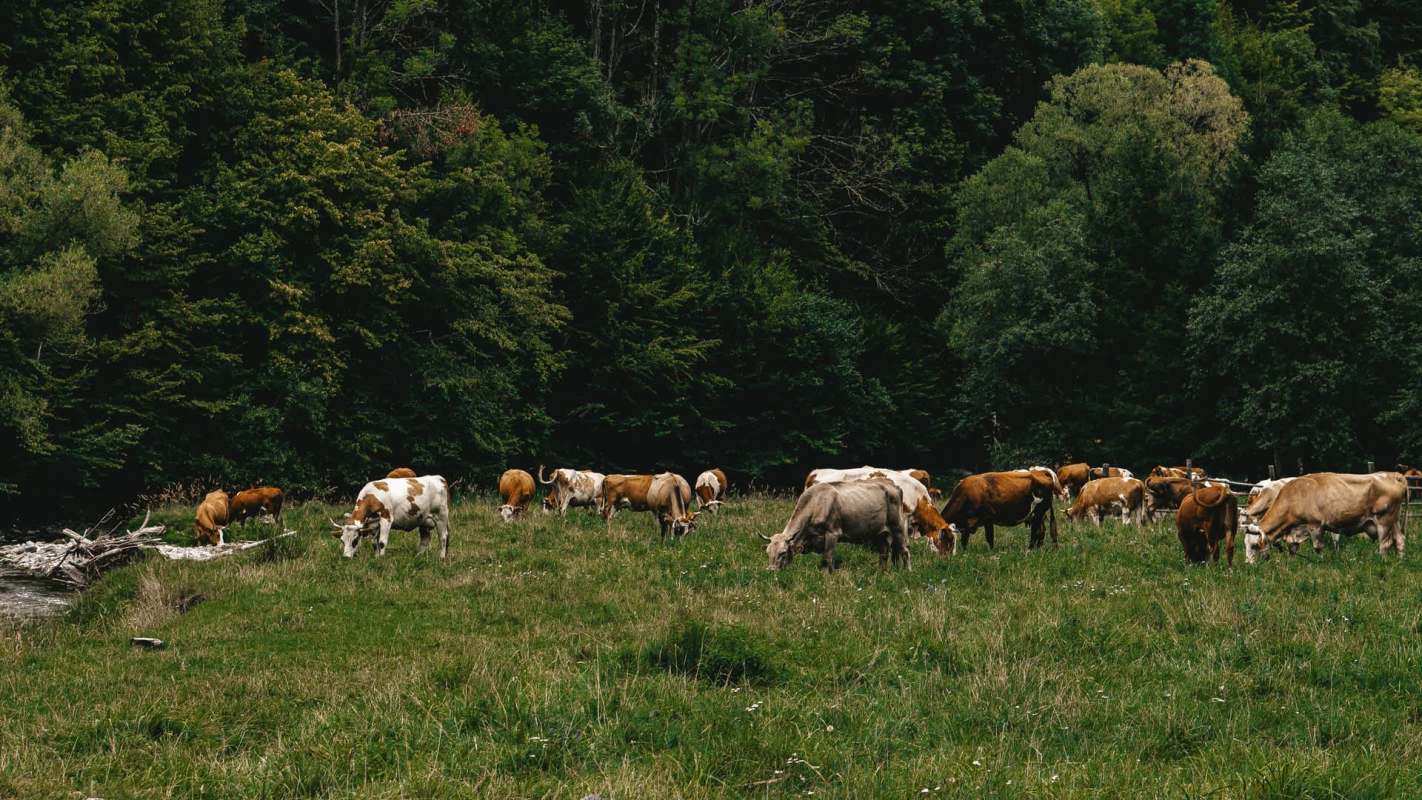
In late October, NPR reported that wildlife officials in the state of California had made the difficult decision to euthanize four different gray wolves. This was decided after a series of repeated attacks on livestock that was a detriment to ranchers in the area.
What's happening?
Gray wolf populations were once far lower, but in recent years, they have surged to sustainable heights.
However, according to NPR, "as their population has grown over the last decade, so too has the number of conflicts between wolves and ranchers."
The decision to euthanize some of the wolves came after the California Department of Fish and Wildlife announced that livestock losses between the months of March and September had reached an all-time peak.
"The losses represented nearly two-thirds of the state's total wolf-caused livestock depredations during that time period," NPR noted.
TCD Picks » Quince Spotlight
💡These best-sellers from Quince deliver affordable, sustainable luxury for all




Though many non-lethal attempts to quell the attacks were made, including startling the wolves off with sound, bright lights, and patrols, the efforts proved to be ineffective against the wolves' dependency on the ranchers' animals.
Why is this important?
Striking a balance between animal population and human livelihood is especially difficult when put in a situation akin to the gray wolf concerns.
The species that was once thought to be wiped out has now surged, and conservationists originally celebrated the return.
However, because of the boom in wolves, the ranchers cohabiting with them saw an uptick in livestock killings — to the point where it was affecting their businesses.
|
Should the government be allowed to ban certain plants? Click your choice to see results and speak your mind. |
 Definitely 👍
 The situation is an unfortunate lose-lose for both parties.
The wolves' attacks must be curbed, and the ranchers must take the inevitable livestock loss into account.
When wild animals become too reliant on artificial food sources, such as ranch animals being bred and then hunted with ease, they fail to complete their original purpose in the wildlife food chain.
Where before they naturally preyed on elk and deer, the learned patterns between generations of wolves to instead hunt livestock "undermines recovery efforts for the species in California [and] also risks … broader ecological dynamics," according to the CDFW.
Additionally, the CDFW noted that those patterns "[draw] wolves closer to human communities, increasing the potential for conflict despite their natural avoidance of people."
What's being done about this?
Per CDFW director Charlton H. Bonham, the Californian gray wolves "became so reliant on cattle at an unprecedented level, and we could not break the cycle, which ultimately is not good for the long-term recovery of wolves or for people."
Following the euthanasia, wildlife officials have begun to assist affected ranches with setting up more flags that will hopefully deter wolves from entering livestock areas. On top of this, the CDFW has embarked on an investigation into actions taken toward depredation.
This way, the aim is that no more lethal actions will need to be taken to cull populations in the future, benefiting both the wolves and the ranchers alike.

Get TCD's free newsletters for easy tips to save more, waste less, and make smarter choices — and earn up to $5,000 toward clean upgrades in TCD's exclusive Rewards Club.