While rain might seem like the solution to wildfires, it may not be that simple. New research is outlining some complicated relationships between herbivores, precipitation, and wildfire trends in the Serengeti, according to Eos.
What's happening?
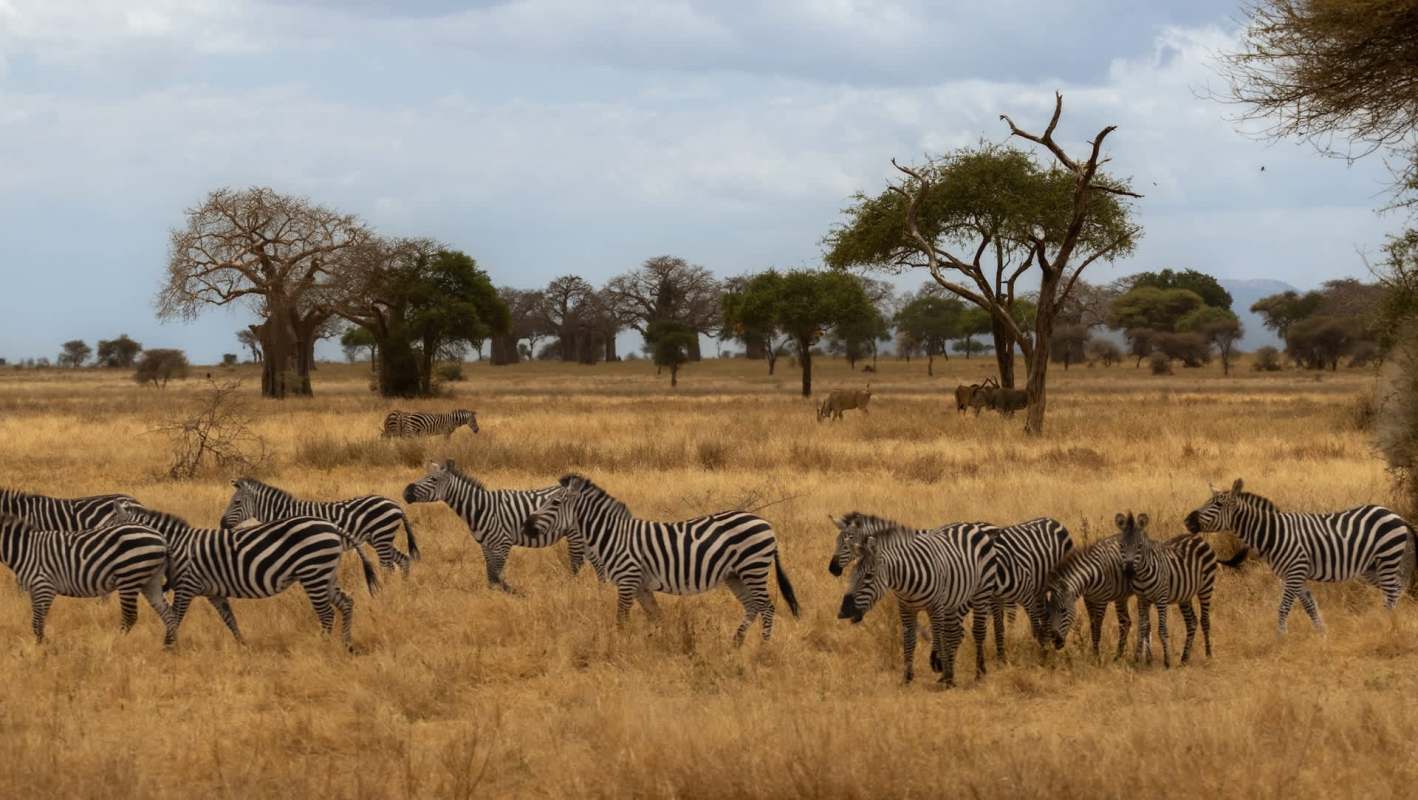
The study examined how increased rainfall trends from the Indian Ocean led to an explosion of vegetation growth in the Serengeti, a massive savannah in eastern Africa. Wildlife migrations follow these rains to make use of the new grazing habitat.
The increased growth of food has overwhelmed the appetite of wildebeest, zebra, and gazelle herds migrating to greener pastures, leaving additional fuel for wildfires in the following dry seasons. However, researchers only saw an increase in wildfire size, not the number of wildfires.
"The number of fires necessarily isn't changing; it seems to be staying stable," report author Megan Donaldson said, per Eos. "We're not seeing this very strong correlation between increased rainfall and increased fire. What is driving that? Why are we seeing that? And what are herbivores doing to that? Those are the things we're trying to tease apart right now."
Why is rainfall in the Serengeti important?
Donaldson's research has the potential to inform fire management with strong wildlife migration data.
According to Eos, biologist Monica Bond said: "Because the Serengeti is one of the few intact biologically functioning ecosystems left on the planet, it makes for a perfect natural laboratory to study complex ecological interactions and how these are affected by climate change.
TCD Picks » Quince Spotlight
💡These best-sellers from Quince deliver affordable, sustainable luxury for all




"This research has important implications for fire management and thus for wildlife conservation in this ecologically critical landscape. It is incredible the research that they have done here in fostering understanding of how this system works."
Atmospheric pollution plays a big role in exacerbating wildfire conditions through heat waves and drought. These erratic fluctuations will have unpredictable effects on wildlife that depend on weather signals, not to mention the potential damage posed by increasingly destructive fires.
What's being done about wildfires?
The study highlights the importance of healthy animal populations in keeping wildfire fuel low. Some clever farmers even employ goats to graze in areas to reduce wildfire risks.
|
Do you worry about the quality of the air inside your home?
Click your choice to see results and speak your mind. |
 Yes — often 😬
Get TCD's free newsletters for easy tips to save more, waste less, and make smarter choices — and earn up to $5,000 toward clean upgrades in TCD's exclusive Rewards Club.