


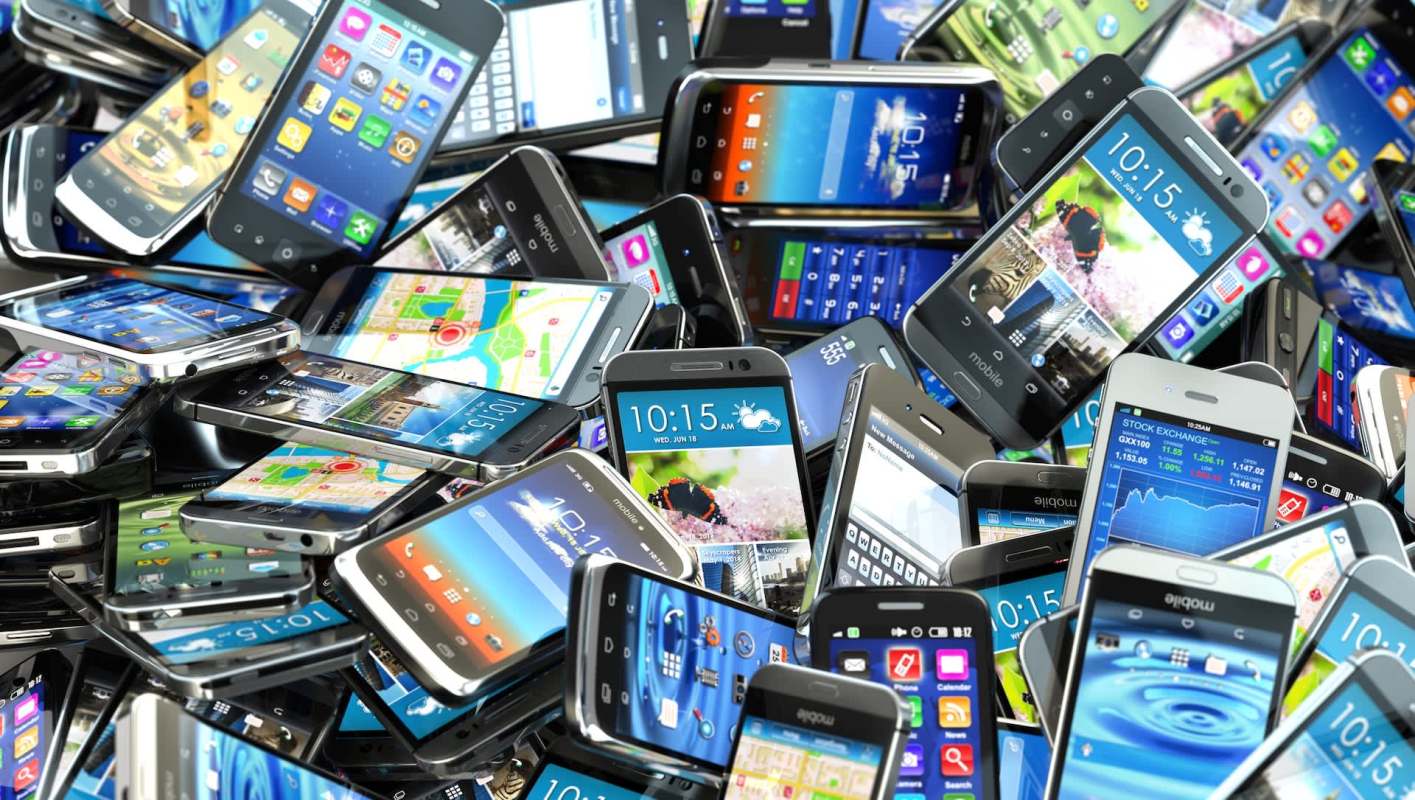
New data from the European Union shows one of the hidden impacts of electronic waste.
As more e-waste is generated, a report from Eurostat shows, more new electronic and electrical equipment is created. The report shows that in 2023, roughly 71 pounds of that equipment was put on the market for every resident of the EU — a 78% increase from 2015.
E-waste has increased by 60% over the same time period, reaching nearly 26 pounds per person in 2023.
E-waste — the disposal of electronic and electrical devices such as phones, computers, appliances, and batteries — is one of the fastest-growing threats to our planet for various reasons.
First and foremost is the overall financial cost. As consumers burn through electronic devices quickly, companies create new products to replace them and entice customers into purchasing upgrades. All of this manufacturing creates additional labor and energy costs, plus the use of additional costly materials, such as the lithium needed to make batteries.
Every electronic item thrown away also represented a potential financial loss for consumers. Many old electronic devices can be sold, either to another person or to a company that will recycle or resell the product. This not only puts money in your pocket, but it also promotes a more circular economy while reducing e-waste.
TCD Picks » Quince Spotlight
💡These best-sellers from Quince deliver affordable, sustainable luxury for all




And if you're looking to really save money on electronics, consider buying preowned products from those same companies.
All of that waste and production takes a toll on our environment, as well.
The United Nations estimates that global e-waste increased 82% between 2010 and 2022, and it will likely increase another 32% by 2030, reaching 90 million tons per year. Less than one-quarter of that gets properly recycled, and the U.N. projects that fraction to decrease in the coming years.
|
What do you usually do with your old electronics? Click your choice to see results and speak your mind. |
 Store them at home 📦
 Instead, that waste ends up in our landfills and oceans, leaching metals and other toxins into our soil and waterways.
E-waste "can release up to 1,000 different chemical substances into the environment, including known neurotoxicants such as lead," the World Health Organization says. "Pregnant women and children are particularly vulnerable due to their pathways of exposure and developmental status."

Get TCD's free newsletters for easy tips to save more, waste less, and make smarter choices — and earn up to $5,000 toward clean upgrades in TCD's exclusive Rewards Club.






