


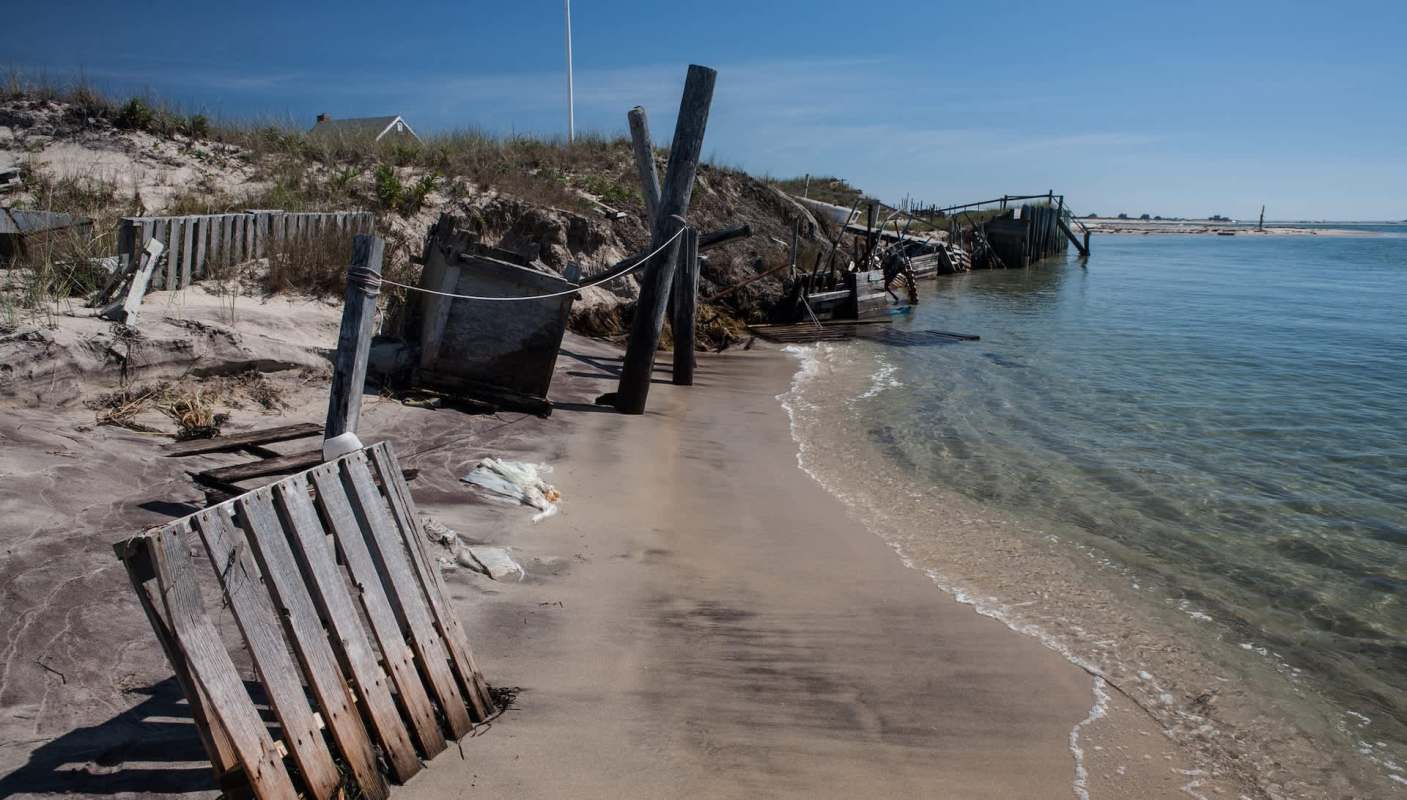
Thousands of hazardous sites across the United States face flood risks if we don't stop burning dirty fuels and polluting our planet, a study has found.
What's happening?
The research, published in the journal Nature Communications and summarized by The Associated Press, examined the impact of sea-level rise on sites that store, handle, or emit hazardous materials such as sewage, trash, and fossil fuels.
The experts found that if fossil-fuel pollution continues at current rates, 5,500 sites could be at risk of coastal flooding by 2100, with most of them at risk by 2050.
Those most at risk were facilities in low-income communities or communities of color.
These sites include fossil fuel ports and terminals, power plants, refineries, and coastal sewage treatment facilities.
Although sites are located in the 23 states with coastlines and in Puerto Rico, the vast majority of sites are in Louisiana, Florida, New Jersey, Texas, California, New York, and Massachusetts.
TCD Picks » Quince Spotlight
💡These best-sellers from Quince deliver affordable, sustainable luxury for all




Why are rising sea levels concerning?
Sea-level rise is a threat worldwide. As pollution causes global temperatures to increase, our oceans rise through heat expansion and melting polar ice. Last year, global sea levels rose by nearly a quarter-inch, more than 30% higher than experts predicted.
But this study highlighted an oft-overlooked aspect of rising sea levels. If these hazardous sites flood, they could leach out toxic material into their communities, potentially exposing residents to E. coli or other health risks.
"For folks who are vulnerable, maybe have an underlying health condition, those health conditions could be exacerbated during those flood events," University of Maryland health professor Sacoby Wilson said at a press conference.
What's being done about rising sea levels?
Over the past 42 years, the rate at which our oceans rise has more than doubled. And as temperatures increase, so do the frequency and severity of extreme weather events, such as floods.
|
Do you worry about having toxic forever chemicals in your home?
Click your choice to see results and speak your mind. |
 Majorly 😥
 If those trends don't reverse soon, entire coastal communities could be in danger of washing away.
But study authors said that not all hope is lost. If we all take steps to combat rising temperatures, many of these hazardous sites could avoid major flood risk, and communities could be safer.
"Our goal with this analysis was to try to get ahead of the problem by looking far out into the future," study co-author Lara J. Cushing said at a press conference. "We do have time to respond and try to mitigate the risks and also increase resilience."

Get TCD's free newsletters for easy tips to save more, waste less, and make smarter choices — and earn up to $5,000 toward clean upgrades in TCD's exclusive Rewards Club.







