


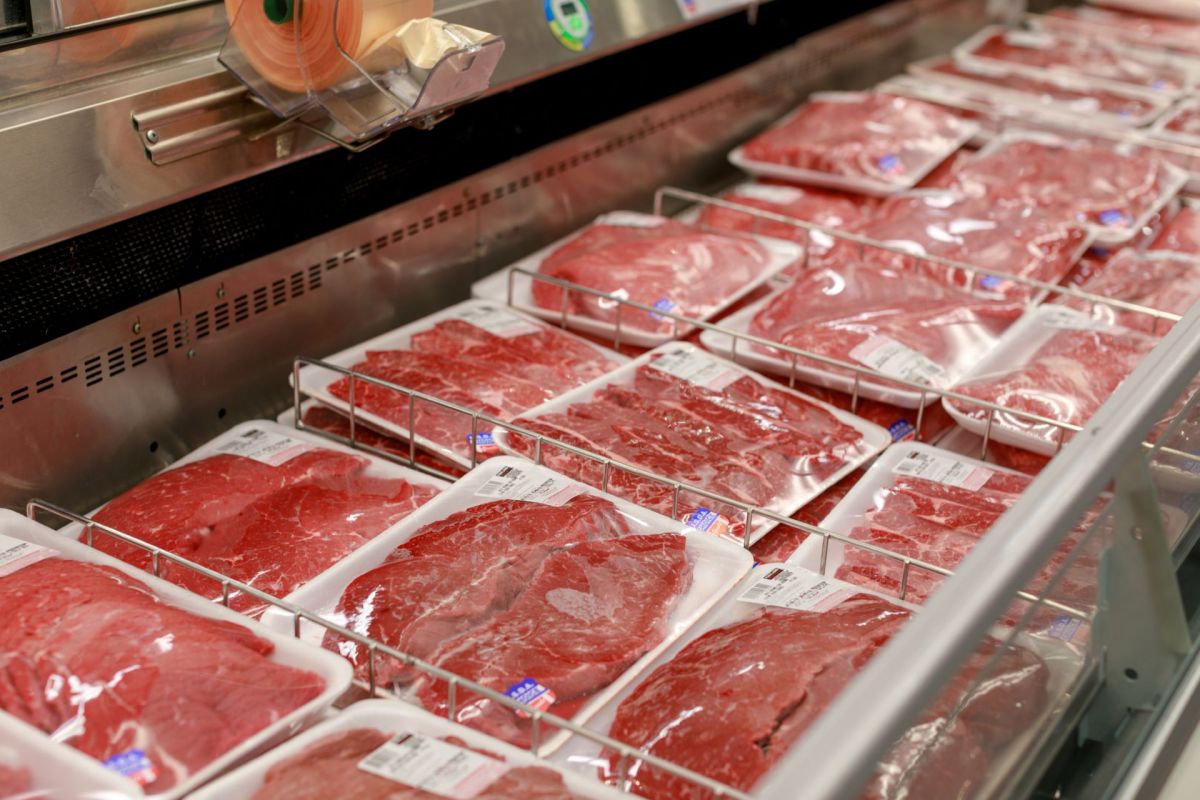
From hamburgers to steaks, Americans and Canadians love their beef.
However, a growing number of consumers have been feeling the squeeze, as the price of beef has continued to soar due to lower supply and strong demand, according to BIV.
Worse yet, there does not seem to be any relief in sight.
What's happening?
Beef prices have shot up by nearly a third in just over two years, according to BIV.
"We're not going to see those prices go down," said Kevin Boon of the BC Cattlemen's Association, per the publication.
Experts have attributed this increase largely to record droughts that took place in the summer of 2023. The lack of rainfall reduced the amount of feed available, causing ranchers to lower the size of their herds.
TCD Picks » Quince Spotlight
💡These best-sellers from Quince deliver affordable, sustainable luxury for all




After such sharp reductions, it can take years for those herds to go back to their original sizes. Meanwhile, feed prices have remained high.
"I don't think there's a really obvious solution as to what we're going to do about high feed prices, other than [it's] just a fact of life," said James Vercammen, a professor at the University of British Columbia, per BIV.
Why is the price of beef concerning?
The increased price of beef has been just one example of how rising global temperatures have impacted food prices. In turn, these inflated food prices have contributed heavily to higher costs of living across the board.
As average temperatures have increased worldwide, extreme weather events such as droughts, heat waves, and floods have become more severe. These weather-related incidents can drastically reduce crop yields, impacting plants grown for human consumption and as animal feed.
|
How often do you eat meat? Click your choice to see results and speak your mind. |
 Every day 🥩
 As a result, everyday consumers may face higher grocery store costs.
These challenges have not been limited to a single region or food source, but instead, they have become a global problem.
For example, Yale Climate Connections cited data that predicted higher temperatures could reduce rice production by 40% by 2100. Additionally, diminished rainfall could lower corn yields by 24% by 2030.
Consequently, higher prices are "likely to be an increasingly common feature of our highly integrated global food systems," as Professor Elizabeth Robinson, director of the Grantham Research Institute on Climate Change and the Environment, explained to Carbon Brief.
Boon of the BC Cattlemen's Association told BIV that a shifting climate "is always a part of it." Food producers, from farmers to cattle ranchers, have been left with no choice but to learn how to adapt to the new conditions.
What's being done about the price of beef?
In an attempt to increase supply, experts have been creating drought-resistant crops.
Additionally, food producers have been striving to improve water management techniques to ensure a greater supply during dry periods.
"We're in a dry cycle right now," said Boon, according to BIV. "We'll get a wet one again, but it's a matter of being able to restock and manage to go through the dry cycles."
In the short term, consumers can adjust by shopping smarter at the grocery store. For example, customers can buy alternative proteins such as chicken, pork, or plant-based products, which, for the moment, have not seen the drastic price increases taking place in the beef market.

Get TCD's free newsletters for easy tips to save more, waste less, and make smarter choices — and earn up to $5,000 toward clean upgrades in TCD's exclusive Rewards Club.







