


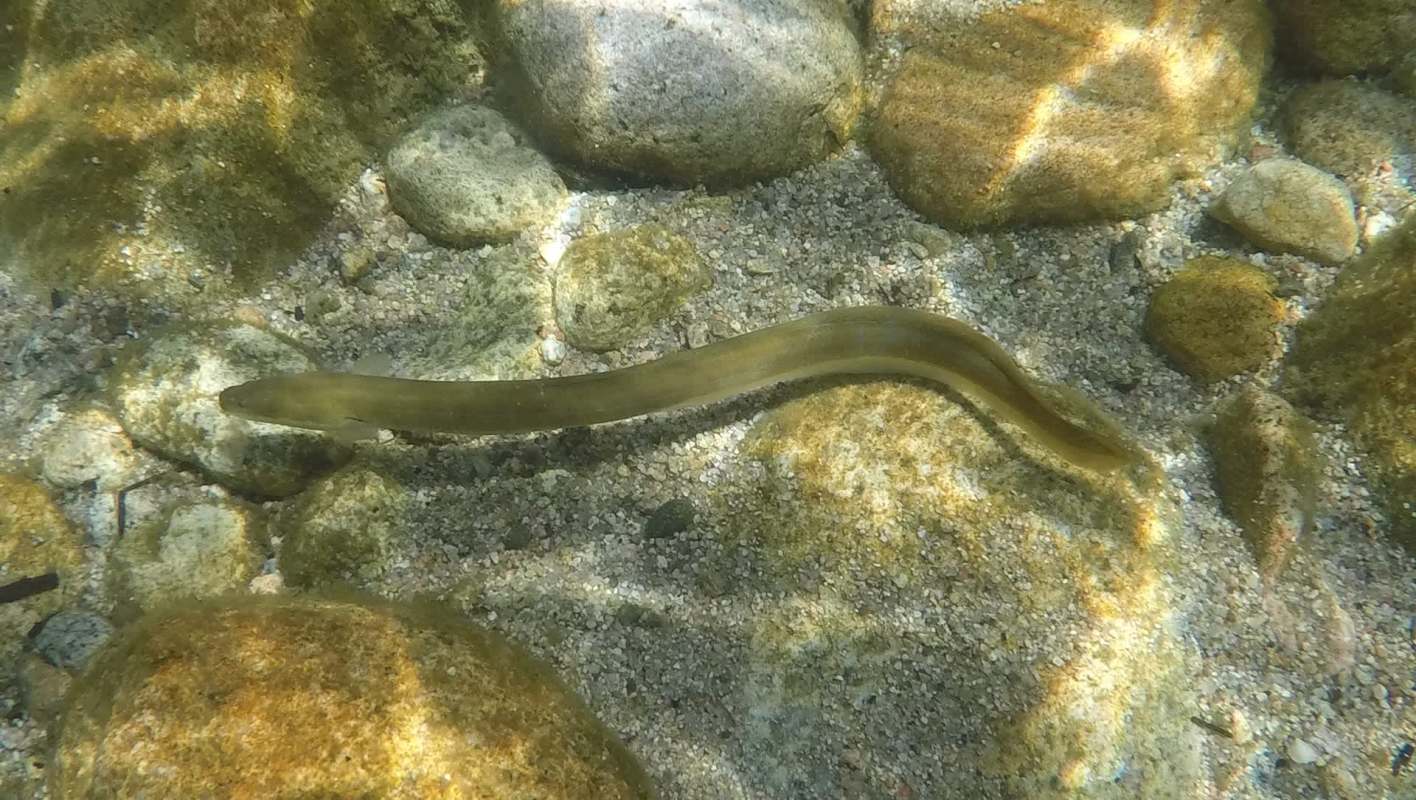
Over 99% of freshwater eels consumed worldwide come from threatened species, according to new research combining DNA analysis with global trade data. According to researchers, the filings reveal how demand for this valuable resource pushes multiple eel populations toward collapse.
What's happening?
Researchers from Chuo University and National Taiwan University conducted the world's first quantitative study examining global freshwater eel consumption patterns. Between 2023 and 2025, they collected 282 eel samples from retail outlets and restaurants in 26 cities across 11 countries.
DNA barcoding identified four species in commercial products: American eel, Japanese eel, European eel, and Indonesian shortfin eel. Scientists discovered alarming patterns when the results were weighted by national distribution volumes from production and trade statistics.
American eel comprised between 52.7 and 75.3% of global consumption, depending on the data sources. Japanese eel accounted for 18 to 43.5%, while European eel represented 3.6 to 6.7%.
The three threatened species together made up over 99% of all eels eaten worldwide.
Of the 12 freshwater eel species assessed by the International Union for Conservation of Nature, 10 are listed as threatened or near threatened. Habitat degradation, overfishing, increasing temperatures, and disease are driving these population declines.
TCD Picks » Quince Spotlight
💡These best-sellers from Quince deliver affordable, sustainable luxury for all




Why is eel population decline important?
The collapse of eel populations threatens global communities that depend on these fisheries for food and income. Freshwater eels rank among the most valuable fishery resources, with glass eels for aquaculture fetching extremely high prices in international trade.
Strong demand in certain regions leads to overexploitation elsewhere, creating serious global management challenges. Glass eel prices have sparked an uptick in poaching, smuggling, and other illegal activities that destabilize local economies and undermine legitimate fishing.
What's being done about eel conservation?
The study revealed serious inconsistencies in production and trade statistics, making sustainable management extremely difficult. Researchers recommended improving the accuracy of global aquaculture and trade data as an urgent priority.
Meanwhile, conservation efforts include expanding protected habitat areas and developing sustainable aquaculture methods, along with strengthening international cooperation for ongoing fishery management.
Consumers can support eel conservation by choosing sustainable seafood options and supporting organizations working to combat illegal fishing.
|
Do you worry about having toxic forever chemicals in your home?
Click your choice to see results and speak your mind. |
 Majorly 😥
Get TCD's free newsletters for easy tips to save more, waste less, and make smarter choices — and earn up to $5,000 toward clean upgrades in TCD's exclusive Rewards Club.







