


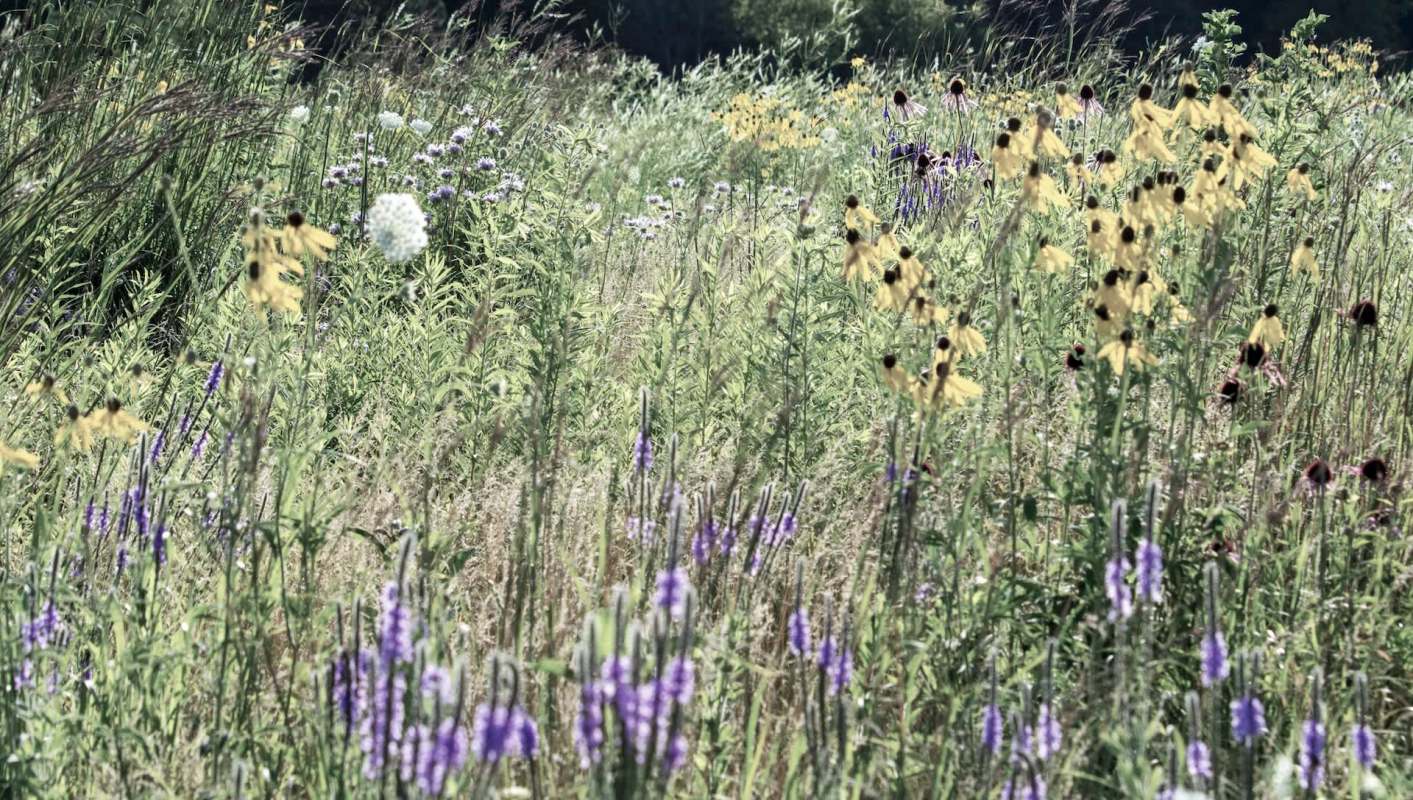
A recent study found new evidence that shows common herbicides and insecticides have a serious impact on wildlife.
What's happening?
Researchers analyzed the behaviors of bees and fish to monitor any changes after they were exposed to plant protection products, according to a press release from Helmholtz Centre for Environmental Research (UFZ)
The team focused on wildlife that are most likely to come into contact with these products. Bees and other pollinators fly through the area and can be exposed directly to the spray. But aquatic animals are also impacted when rain washes the product residue into local waterways.
They found that after exposure, the animals showed clear behavioral changes. The bees foraged less and processed nectar differently than normal. This could impair their ability to manage their colonies or pollinate properly, threatening entire ecosystems.
Why is it concerning?
In gardening and agriculture, sprayable products are frequently used to protect crops from pests, diseases, and weeds. And while they may ensure strong and healthy plants, they can also have a negative effect on the environment around them.
"The effects that we were able to measure in these animal models suggest that the actual ecological effects of plant protection products are much more far-reaching than previously assumed," said Martin von Bergen, a biologist at UFZ and joint principal investigator of the study, per the press release.
TCD Picks » Quince Spotlight
💡These best-sellers from Quince deliver affordable, sustainable luxury for all




What's being done about it?
More research is needed to fully understand these effects long-term, the team said, and there should be more behavioral testing done during the process of developing new plant protection products.
"Although animal behavior tests following exposure to low concentrations of chemicals are already included in the risk assessment of chemicals in some cases, these tests are not complex enough and are typically not mandatory," said Cassandra Uthoff, a doctoral student at UFZ and lead author of the study.
|
Do you think the construction industry is too wasteful? Click your choice to see results and speak your mind. |
 Definitely 👍
💰Get TCD's free newsletters for easy tips to save more, waste less, and make smarter choices — and earn up to $5,000 toward clean upgrades in TCD's exclusive Rewards Club.







