


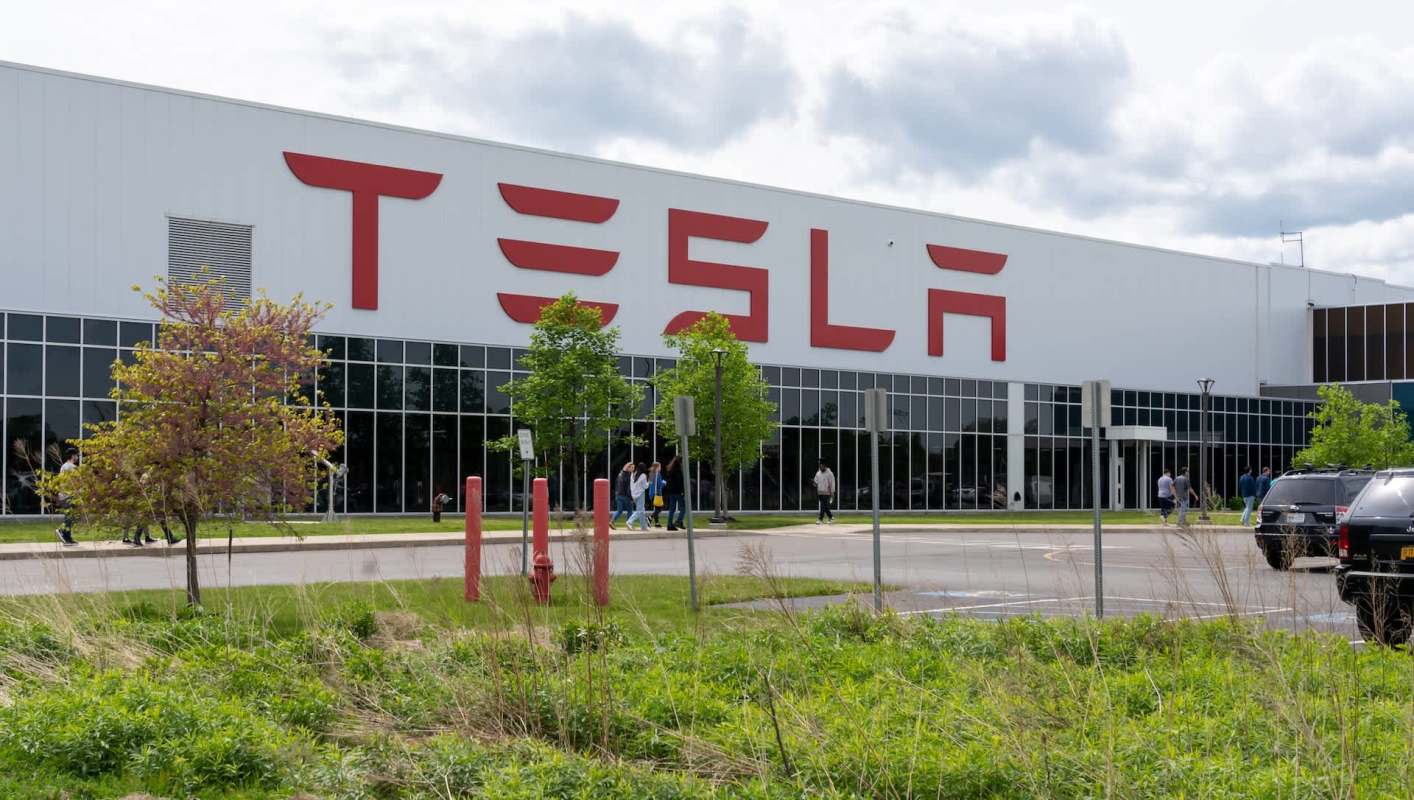
Tesla is working to eliminate the use of parts made in China for its U.S. manufacturing, The Wall Street Journal reported.
The change has picked up steam because of tariffs, and the company wants to completely phase out Chinese parts for the American market by 2027. The move can trace its beginnings to the supply chain issues created by the coronavirus pandemic, and Tesla has pushed and helped China-based suppliers to establish sites in Mexico and Southeast Asia, according to the Journal.
Tesla is the world's second-most popular electric vehicle brand, but it has had a rough road over the last year. After CEO Elon Musk's political involvement in the United States and abroad, its market share slumped to an eight-year low. Increasing competition, especially from Chinese companies such as BYD, the leading EV maker, has also weakened its place in the industry.
This shift in sourcing may raise costs for buyers, especially if Tesla is locked into certain providers and is merely asking them to find new locations to make what it needs.
That could dampen enthusiasm for EVs, which help drivers save money through low recharging costs and minimal maintenance. While a $7,500 federal tax credit for the cleaner rides expired Sept. 30, lease deals as well as state and dealer incentives are still available, Electrek reported.
If you already have an EV or are thinking about buying one, you can maximize its impact by charging it at home, which is significantly cheaper than using public chargers. Qmerit can help you install a Level 2 charger by providing free, instant installation estimates.
TCD Picks » Quince Spotlight
💡These best-sellers from Quince deliver affordable, sustainable luxury for all




Installing solar panels is another way to dramatically increase your savings since the sun's energy is free — much cheaper than using public charging stations or relying on the grid. TCD's Solar Explorer can connect you with vetted installers and cut your costs by up to $10,000. EnergySage is one partner that makes it easy to compare quotes.
While the average price of an EV has risen absent federal incentives, Tesla prices were down 1.1% in October from September and 5.5% year over year, according to Electrek. The Journal noted that Tesla "is struggling to substitute" lithium-iron phosphate batteries made in China, even though it hasn't used them in U.S. vehicles since 2024, but the company expects a facility in Nevada could start producing the vital components in the first quarter of 2026.
In April, chief financial officer Vaibhav Taneja said it needed to expand its battery supply chain but that "it will take time," per the Journal.
|
Do you think the U.S. should tax goods from China? Click your choice to see results and speak your mind. |
 Definitely 👍
💰Get TCD's free newsletters for easy tips to save more, waste less, and make smarter choices — and earn up to $5,000 toward clean upgrades in TCD's exclusive Rewards Club.






