


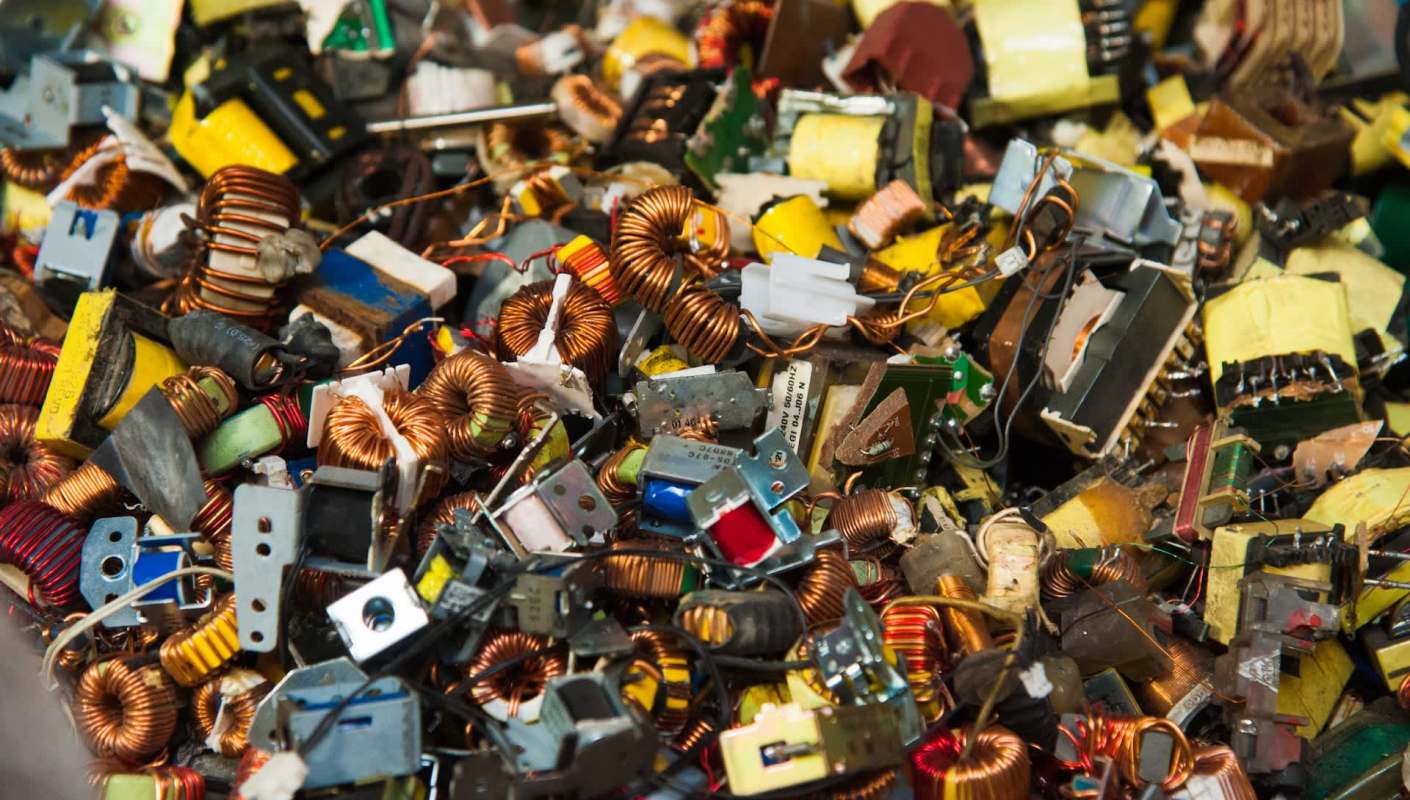
Every single year, the average person on the planet produces around 8 kilograms (17.6 pounds) of electronic waste. But that number hides a shocking truth: In Europe, that figure more than doubles.
What's happening?
According to the latest Global E-Waste Monitor report, Europeans generate roughly 17.6 kilograms of e-waste per person, far outpacing other regions. However, it also revealed that Europe is not only the highest per-capita generator of electronic waste across continents, but also among the best at formally collecting and recycling it — it has a 42.8% recycling rate, meaning about 7.5 kilograms are recycled per European on average.
Still, this isn't a global success story. While Europe performs relatively well, the world as a whole falls short: Only around one-fifth of global e-waste is formally collected and recycled. Much of the remaining waste is handled unofficially, partially recycled, or dumped, with large quantities going straight into landfills.
Why is this e-waste concerning?
E-waste might look like just another waste problem, but it carries serious environmental risks. Devices such as smartphones, laptops, and batteries often contain lead, mercury, and other toxic substances. When discarded improperly, these chemicals can leach into soil and water, harming communities and ecosystems — this is especially the case in regions where informal recycling or dumping is common.
But the problem isn't only environmental. Every device also contains valuable materials such as lithium, gold, and rare-earth metals. When electronics aren't properly recycled, these resources, along with the labor and energy used to extract them, are lost.
According to the Global E-Waste Monitor, 1 billion kilograms of metals are lost even during formal recycling, despite 6 billion kilograms being recovered. This represents both a waste of materials and a major economic cost.
TCD Picks » Quince Spotlight
💡These best-sellers from Quince deliver affordable, sustainable luxury for all




What's being done to combat e-waste?
On the policy side, there are some positive developments. Many countries are strengthening Extended Producer Responsibility (EPR) laws, requiring manufacturers to take back and responsibly recycle their devices. At the same time, researchers are exploring advanced recycling technologies, including turning discarded electronics into valuable new materials.
Individuals also have a role to play. Choosing to repair devices rather than replace them extends their life and reduces waste. When it's time to part with a device, recycling it properly ensures materials are recovered rather than lost.
Additionally, purchasing electronics from companies that prioritize circular economy models or offer robust take-back programs helps support a more sustainable system from the start.
|
Do you recycle your old electronics? Click your choice to see results and speak your mind. |
 Yes! 👍
💰Get TCD's free newsletters for easy tips to save more, waste less, and make smarter choices — and earn up to $5,000 toward clean upgrades in TCD's exclusive Rewards Club.






