


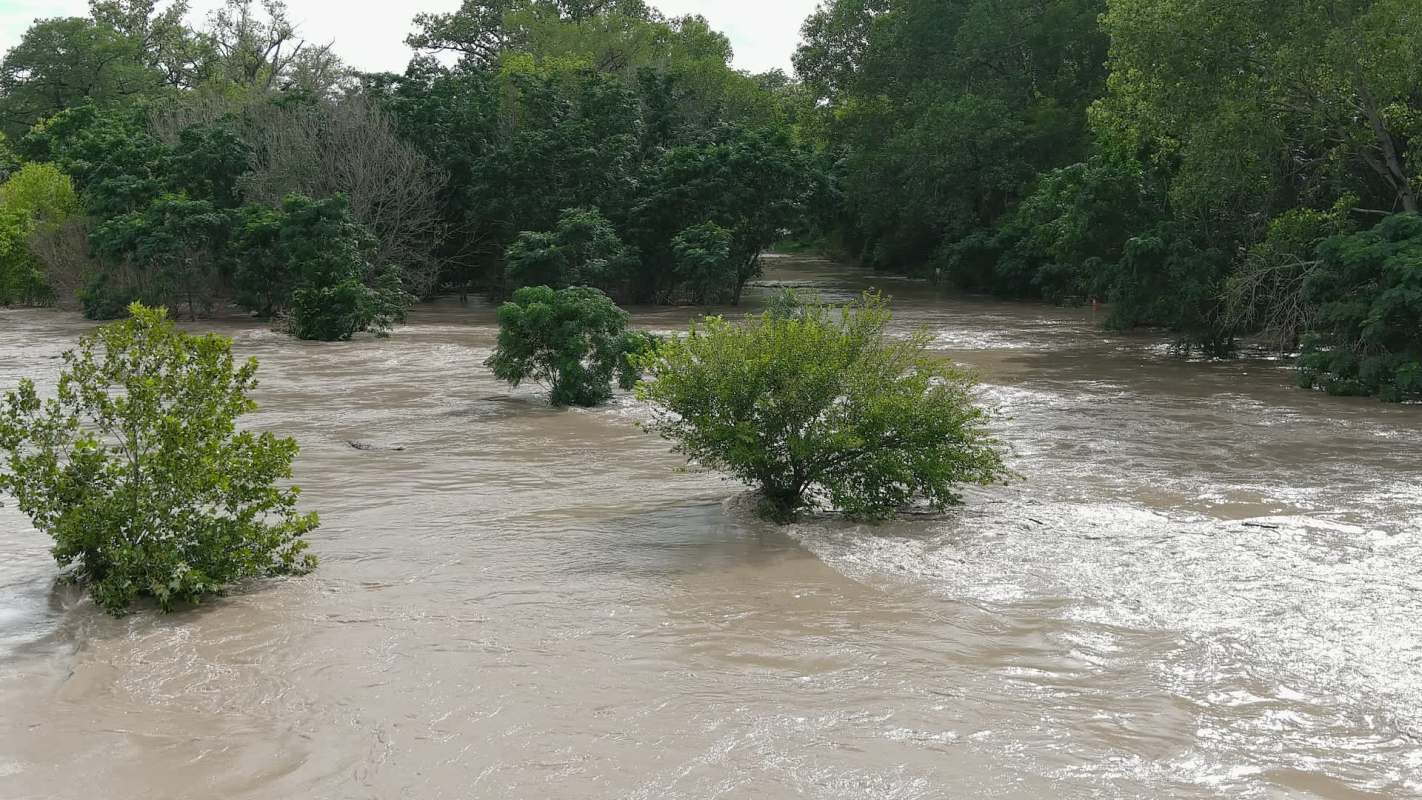
Fish populations in a region of Texas are recovering well following serious floods, but the threat of an invasive plant is growing, according to San Antonio's KSAT.
What's happening?
Four months ago, tributaries in Texas Hill Country saw devastating floods. Since then, officials have been monitoring fish populations, concluding that losses were lower than expected at under 30%.
Unfortunately, the floods did spur the spread of Arundo, also known as giant reed and invasive to the area.
"They colonize quickly; they grow quickly. So even like a few weeks or a month post-flood, they're already big stocks starting to grow," fisheries biologist Mitch Nisbet, of the Texas Parks and Wildlife Department, told KSAT. "And then we've got folks that are out there monitoring those areas and treating where they can."
Why is the spread of giant reed concerning?
Giant reeds use up lots of area water, exacerbating drought conditions while also becoming potential fuel for wildfires.
Generally speaking, invasive species can be a massive hazard. When a species is moved into a new habitat, it's free of its natural predators and constraints. Suddenly, it has the opportunity to outcompete resident species and establish a monopoly over resources such as space, water, and food. Ultimately, this drives down biodiversity and disorders delicately balanced ecosystems at costs both environmental and financial.
TCD Picks » Quince Spotlight
💡These best-sellers from Quince deliver affordable, sustainable luxury for all




Some researchers have pegged the global value of these impacts at hundreds of billions of dollars annually. Others have estimated the cost of invasive species to exceed a trillion dollars over 50 years.
What's being done about the giant reed in Texas?
Local action is the best bet for managing this global threat. One group in Arizona has wrestled with giant reed and seen some success.
But residents don't have to go it alone. In fact, guidance from removal specialists is often recommended. In this case, Texas Parks and Wildlife has requested that any sightings of giant reeds be reported to the department.
|
Do you think sewage pollution is a major problem in America? Click your choice to see results and speak your mind. |
 Yes 👍
Yes 👍 
💰Get TCD's free newsletters for easy tips to save more, waste less, and make smarter choices — and earn up to $5,000 toward clean upgrades in TCD's exclusive Rewards Club.







